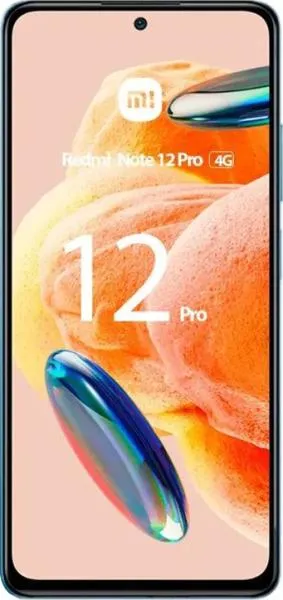

1. Specifications Comparison
| Feature | Xiaomi Redmi Note 12 Pro 4G | Xiaomi 14T | Practical Impact |
|---|---|---|---|
| Design | |||
| Dimensions (mm) | 164.2 x 76.1 x 8.1 | 160.5 x 75.1 x 7.8 | The 14T is slightly smaller and thinner, potentially improving one-handed usability. |
| Weight (g) | 201.8 | 193 | The 14T is noticeably lighter, reducing hand fatigue during extended use. |
| Fingerprint Sensor | Side-mounted | Under-display | Preference-dependent; under-display is often perceived as more modern. |
| Display | |||
| Size (inches) | 6.67 | 6.67 | Same screen size. |
| Resolution | 1080 x 2400 | 1220 x 2712 | The 14T has a sharper display with higher pixel density, resulting in crisper text and images. |
| Refresh Rate (Hz) | 120 | 144 | The 14T's higher refresh rate provides smoother animations and scrolling, especially noticeable in gaming and fast-paced content. |
| Peak Brightness (nits) | 1100 | 4000 | The 14T offers significantly higher peak brightness, ensuring excellent outdoor visibility even in direct sunlight. |
| HDR | Dolby Vision | Dolby Vision, HDR10+ | The 14T supports a wider range of HDR formats for better video playback quality. |
| Performance | |||
| Chipset | Snapdragon 732G (8nm) | Dimensity 8300 Ultra (4nm) | The 14T boasts a significantly more powerful and efficient processor, leading to much faster performance in demanding tasks and potentially better battery life. |
| CPU | Octa-core (2x2.2 GHz Kryo 470 Gold & 6x1.8 GHz Kryo 470 Silver) | Octa-core (1x3.35 GHz Cortex-A715 & 3x3.20 GHz Cortex-A715 & 4x2.20 GHz Cortex-A510) | The 14T's CPU architecture offers superior performance and efficiency. |
| GPU | Adreno 618 | Mali G615-MC6 | The 14T's GPU should provide better gaming performance. |
| RAM (GB) | 8 | 12 | More RAM on the 14T allows for smoother multitasking and better handling of demanding applications. |
| Camera | |||
| Main Camera (MP) | 108 | 50 | While the 12 Pro has a higher megapixel count, the 14T utilizes a newer sensor (Sony IMX906) known for good low-light performance. Image quality comparison would require real-world testing. |
| Ultrawide (MP) | 8 | 13 | The 14T likely offers a wider field of view and improved ultrawide image quality. |
| Telephoto | No | 50MP | The 14T features a telephoto lens for optical zoom, absent in the 12 Pro. |
| Video | 4K@30fps | Up to 4K@60fps with HDR, EIS | The 14T offers superior video recording capabilities with higher resolution, frame rate, HDR, and electronic image stabilization. |
| Battery | |||
| Capacity (mAh) | 5000 | 5000 | Same battery capacity. However, the 14T's more efficient chipset might translate to longer battery life. |
2. Key Differences Analysis
Xiaomi 14T Advantages:
- Significantly improved performance: The Dimensity 8300 Ultra chipset and 12GB RAM provide a substantial performance leap over the Redmi Note 12 Pro 4G.
- Superior display: Higher resolution, refresh rate, and peak brightness deliver a noticeably better visual experience.
- More versatile camera system: The inclusion of a telephoto lens and improved video recording capabilities greatly enhances photographic flexibility.
- More modern features: 5G connectivity, newer Bluetooth version, Wi-Fi 6E, and under-display fingerprint sensor.
Xiaomi Redmi Note 12 Pro 4G Advantages:
- Potentially lower price: Given its older release date, the Redmi Note 12 Pro 4G is likely more affordable.
3. User Profiles & Recommendations
Xiaomi 14T: Users who prioritize performance, a high-quality display, a versatile camera system, and the latest features. Ideal for demanding tasks like gaming, content creation, and media consumption.
Xiaomi Redmi Note 12 Pro 4G: Budget-conscious users who primarily use their phone for everyday tasks like social media, web browsing, and light gaming.
4. Decision Framework
Key Questions:
- What is your budget? The 14T is positioned in a higher price bracket.
- What are your primary phone usage patterns? Demanding tasks benefit from the 14T's superior performance.
- Which features are most important to you? Prioritize display quality, camera versatility, or overall performance.
Scenario-Based Recommendations:
- Heavy gamer: Xiaomi 14T
- Photographer/Videographer: Xiaomi 14T
- Budget-conscious user with basic needs: Redmi Note 12 Pro 4G
My Choice: Xiaomi 14T
While the Redmi Note 12 Pro 4G offers decent features for its price, the Xiaomi 14T's significant advantages in performance, display, and camera make it the clear winner for me. The superior processor, higher refresh rate display, versatile camera system with a telephoto lens, and the inclusion of 5G connectivity justify the higher price. I value a smooth and responsive user experience, a great display for media consumption, and a capable camera, making the 14T the better long-term investment.
