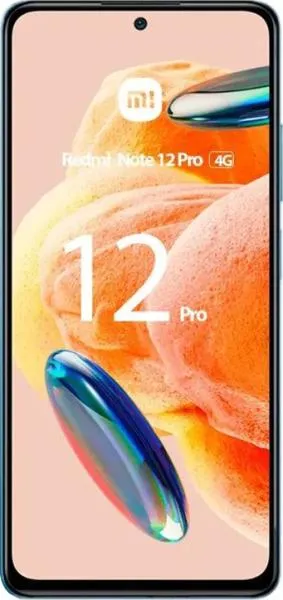

1. Specifications Comparison
| Feature | Xiaomi Redmi Note 12 Pro 4G | Xiaomi 14 | Practical Impact |
|---|---|---|---|
| Design | |||
| Dimensions (mm) | 164.2 x 76.1 x 8.1 | 152.8 x 71.5 x 8.2 | Xiaomi 14 is noticeably smaller and more compact, making it easier to handle and pocket. |
| Weight (g) | 201.8 | 188 | Xiaomi 14 is lighter, improving one-handed use and reducing fatigue. |
| Display | |||
| Size (inches) | 6.67 | 6.36 | Redmi Note 12 Pro offers a larger screen for media consumption, while Xiaomi 14's smaller size benefits portability. Personal preference will dictate which size is better. |
| Resolution (px) | 1080 x 2400 | 1200 x 2670 | Xiaomi 14 has a sharper display with higher pixel density (460 ppi vs 395 ppi), resulting in crisper text and images. |
| Type | AMOLED | LTPO OLED | Both offer excellent contrast and vibrant colors. Xiaomi 14's LTPO panel allows for dynamic refresh rate adjustment, potentially saving battery life. |
| Refresh Rate (Hz) | 120 | 120 | Both offer smooth scrolling and animations. |
| Peak Brightness (nits) | 1100 | 3000 | Xiaomi 14's significantly higher peak brightness ensures excellent outdoor visibility. |
| Performance | |||
| Chipset | Snapdragon 732G | Snapdragon 8 Gen 3 | Xiaomi 14 boasts a vastly more powerful processor, enabling significantly faster performance, smoother multitasking, and better gaming capabilities. |
| RAM (GB) | 8 | 12 | More RAM in Xiaomi 14 allows for more apps to run in the background without impacting performance. |
| OS | Android 11 | Android 14 | Xiaomi 14 comes with a newer Android version, offering potential feature and security updates for a longer period. |
| Camera | |||
| Main Camera (MP) | 108 | 50 | Redmi Note 12 Pro has a higher megapixel count, but Xiaomi 14 utilizes a larger sensor (1/1.31\" vs 1/1.52\") and wider aperture (f/1.6 vs f/1.9), potentially capturing better low-light photos. |
| Video | 4K@30fps | 8K@24fps | Xiaomi 14 supports higher resolution video recording. |
| Battery | |||
| Capacity (mAh) | 5000 | 4610 | Redmi Note 12 Pro has a slightly larger battery capacity, potentially offering longer battery life. However, real-world usage will depend on various factors including the display and processor. |
2. Key Differences Analysis
Xiaomi Redmi Note 12 Pro 4G Advantages:
- Larger Battery: Potentially longer battery life.
- Larger Display: More immersive media consumption.
- Lower Price: Offers good value for its price range. Specific prices weren't compared due to multiple and changing values.
Xiaomi 14 Advantages:
- Significantly Faster Performance: Snapdragon 8 Gen 3 offers a major leap in processing power.
- Sharper Display: Higher resolution and pixel density.
- Brighter Display: Much better outdoor visibility.
- Newer Android Version: Longer software support and newer features.
- Superior Camera System: While megapixels are lower, the larger sensor, wider aperture, and advanced features suggest better overall image quality especially in low light.
- Faster Charging: USB 3.2 implies faster charging speeds compared to USB 2.0, although charging wattage isn't specified for either phone.
Trade-offs:
- Xiaomi 14: Smaller battery capacity compared to Redmi Note 12 Pro 4G, potentially shorter battery life despite the more efficient LTPO display. Higher price point.
- Redmi Note 12 Pro 4G: Significantly slower performance, older Android version, less capable camera system.
3. User Profiles & Recommendations
Xiaomi Redmi Note 12 Pro 4G: Budget-conscious users prioritizing battery life and a large display for media consumption. Suitable for casual gaming and everyday tasks.
Xiaomi 14: Users who demand top-tier performance, a premium display, and a capable camera system. Ideal for demanding tasks, mobile gaming, and content creation.
4. Decision Framework
Key Questions for Buyers:
- What is your budget? The Xiaomi 14 is significantly more expensive.
- What are your performance requirements? For demanding tasks and gaming, the Xiaomi 14 is essential.
- How important is battery life? While the Redmi Note 12 Pro has a larger battery, the Xiaomi 14's LTPO display might offset this in real-world usage. Without specific battery tests, it's difficult to definitively say which will last longer.
Scenario-Based Recommendations:
- Limited Budget, Casual User: Redmi Note 12 Pro 4G
- Power User, Gamer, Content Creator: Xiaomi 14
My Choice: Xiaomi 14
While the Redmi Note 12 Pro offers good value, the Xiaomi 14's significant performance advantage, superior display, more modern features (like the much faster USB 3.2 connection), and newer Android version make it the clear winner for me. I prioritize a smooth and responsive user experience, future-proofing through software updates, and a high-quality display. I'm willing to accept the potentially slightly shorter battery life and higher price for these substantial benefits. The improved camera system, especially its low-light capabilities, is also a major factor in my decision.
