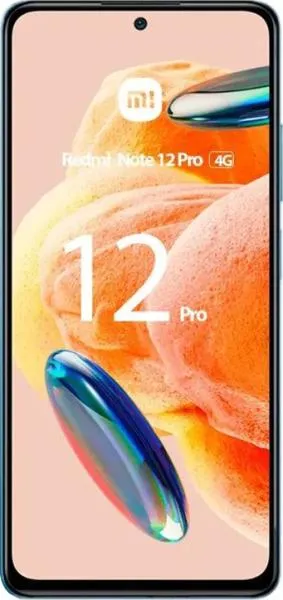

1. Specifications Comparison
| Feature | Xiaomi Redmi Note 12 Pro 4G | vivo V40 | Practical Impact |
|---|---|---|---|
| Design | |||
| Dimensions (mm) | 164.2 x 76.1 x 8.1 | 164.2 x 75 x 7.6 | Virtually identical in height, V40 slightly narrower and thinner. |
| Weight (g) | 201.8 | 190 | V40 noticeably lighter, improving one-handed use. |
| Fingerprint Sensor | Side-mounted | Under-display | Preference-based, under-display often perceived as more premium. |
| Display | |||
| Size (inches) | 6.67 | 6.78 | V40 slightly larger, minimal difference in real-world usage. |
| Resolution | 1080 x 2400 | 1260 x 2800 | V40 sharper due to higher resolution and pixel density. Impacts clarity of text and images. |
| Type | AMOLED, 120Hz | AMOLED, 120Hz | Both offer smooth scrolling and vibrant colors. |
| Peak Brightness (nits) | 1100 | 4500 | V40 significantly brighter, crucial for outdoor readability. |
| HDR | Dolby Vision | HDR10+ | Both support HDR standards, offering improved dynamic range in compatible content. Minor differences in supported content. |
| Performance | |||
| Chipset | Snapdragon 732G (8nm) | Snapdragon 7 Gen 3 (4nm) | V40 significantly more powerful and efficient due to newer generation chip and smaller process node. Impacts gaming, multitasking, and battery life. |
| CPU | Octa-core (2x2.2 GHz Kryo 470 Gold & 6x1.8 GHz Kryo 470 Silver) | Octa-core (1x2.63 GHz Cortex-A715 & 3x2.4 GHz Cortex-A715 & 4x1.8 GHz Cortex-A510) | V40's CPU offers higher clock speeds and newer architecture resulting in faster performance. |
| GPU | Adreno 618 | Adreno 720 | V40's GPU significantly more powerful, enabling smoother gaming and faster graphics rendering. |
| RAM | 8GB | 12GB | V40 offers more RAM, improving multitasking and app switching performance. |
| OS | Android 11 | Android 14 | V40 has a newer Android version, with newer features, security updates, and potentially longer software support. |
| Camera | |||
| Rear Camera | 108MP (Main) + 8MP (Ultrawide) + 2MP (Depth) + 5MP (Macro) | 50MP (Main) + 50MP (Wide Angle) | Redmi Note 12 Pro has a dedicated macro lens and higher resolution main sensor, but V40 boasts a higher resolution ultrawide and likely better overall image quality due to newer sensor technology. Missing detailed sensor information for V40 limits thorough analysis. |
| Front Camera | 16MP | 50MP | V40 has a significantly higher resolution front camera. |
| Video | 4K@30fps | 4K@30fps with OIS, EIS | Both record 4K video; V40 benefits from optical and electronic image stabilization for smoother footage. |
| Battery | |||
| Capacity (mAh) | 5000 | 5500 | V40 has slightly larger battery capacity, but real-world difference depends on usage and efficiency of the processor. |
2. Key Differences Analysis
Xiaomi Redmi Note 12 Pro 4G Advantages:
- More affordable
- Dedicated macro lens
vivo V40 Advantages:
- Significantly more powerful processor and GPU
- More RAM
- Brighter display with HDR10+
- Larger battery
- Newer Android version with longer software support lifespan
- Lighter and slightly thinner
- Optically stabilized rear camera video recording
3. User Profiles & Recommendations
Xiaomi Redmi Note 12 Pro 4G: Budget-conscious users prioritizing affordability over top-tier performance. Suitable for everyday tasks, casual gaming, and basic photography.
vivo V40: Users prioritizing performance, a smooth user experience, a bright and sharp display, and longer software support. Suitable for demanding tasks, mobile gaming, content creation, and photography enthusiasts. Superior for outdoor use due to screen brightness.
4. Decision Framework
Key Questions for Buyers:
- What is your budget?
- What are your primary smartphone usage patterns (gaming, photography, social media, etc.)?
- How important is future-proofing with software updates and performance headroom?
Scenario-Based Recommendations:
- Limited Budget: Redmi Note 12 Pro 4G
- Performance Focused: vivo V40
- Future-Proofing: vivo V40
My Choice: vivo V40
While the Redmi Note 12 Pro 4G offers a compelling value proposition for its price, the vivo V40 represents a significant upgrade in crucial areas. The vastly superior processor, more RAM, brighter display, newer Android OS, and stabilized video recording justify the higher price for most users. The longer software support and performance headroom ensure a better experience over the long term. While the specific camera sensor details for the V40 are limited, the inclusion of OIS and a high-resolution ultrawide strongly suggests a better overall camera experience compared to the Redmi Note 12 Pro. The lighter weight and slimmer profile are also welcome additions. Ultimately, the vivo V40 offers a more well-rounded and future-proof package.
