1. Specifications Comparison
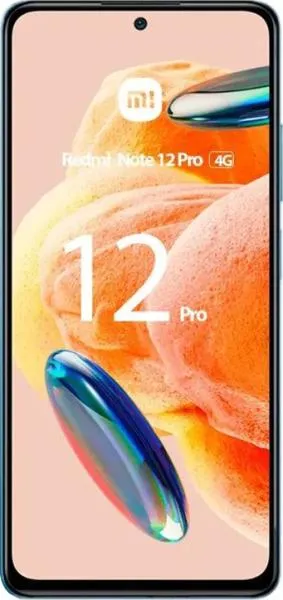
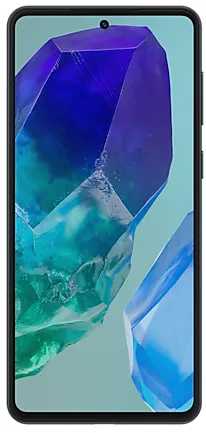
| Feature | Xiaomi Redmi Note 12 Pro 4G | Samsung Galaxy M55 | Practical Impact |
|---|---|---|---|
| Design | |||
| Dimensions (mm) | 164.2 x 76.1 x 8.1 | 163.9 x 76.5 x 7.8 | Negligible size difference; both are large phones. |
| Weight (g) | 201.8 | 180 | M55 noticeably lighter, reducing hand fatigue during extended use. |
| Fingerprint Sensor | Side-mounted | Under-display | Personal preference; both are reliable unlocking methods. |
| Display | |||
| Display Type | AMOLED, 120Hz | Super AMOLED+, 120Hz | Both offer smooth scrolling and vibrant colors. Super AMOLED+ might offer slightly improved outdoor visibility, but we lack brightness specs for comparison. Dolby Vision support on the Redmi Note 12 Pro enhances video quality. |
| Display Size (inches) | 6.67 | 6.7 | Virtually identical screen real estate. |
| Resolution | 1080 x 2400 | 1080 x 2400 | Same resolution; sharpness is comparable on both devices. |
| Peak Brightness (nits) | 1100 (typical), 1200 (peak) | 1000 (typical) | The Redmi Note 12 Pro likely offers a brighter display, improving outdoor readability. |
| Performance | |||
| Chipset | Snapdragon 732G (8nm) | Snapdragon 7 Gen 1 (4nm) | Significant performance advantage for the M55 due to a newer, more efficient chipset. Expect smoother multitasking, faster app loading, and better gaming performance. |
| CPU | Octa-core (2x2.2 GHz Kryo 470 Gold & 6x1.8 GHz Kryo 470 Silver) | Octa-core (1x2.4 GHz Cortex-A710 & 3x2.36 GHz Cortex-A710 & 4x1.8 GHz Cortex-A510) | M55's CPU architecture is more modern and powerful. |
| GPU | Adreno 618 | Adreno 644 | M55's GPU provides a considerable boost in graphics performance for demanding games and applications. |
| RAM | 8GB | 8GB | Equal RAM; multitasking capabilities should be similar. |
| OS | Android 11 | Android 14 | M55 ships with a much newer Android version, offering feature updates, security patches, and performance optimizations. |
| Camera | |||
| Rear Camera | 108MP (Main) + 8MP (Wide) + 2MP (Depth) + 5MP (Macro) | 50MP (Main) + 8MP (Wide) + 2MP (Macro) | Redmi Note 12 Pro boasts a higher megapixel count on the main sensor, but image quality depends on many factors beyond megapixels (e.g., sensor size, processing). M55 benefits from OIS for steadier video recording. |
| Front Camera | 16MP | 50MP | Higher resolution on the M55's selfie camera. |
| Video Recording | 4K@30fps | 4K@30fps with OIS, EIS | Both record 4K video, but M55 has Optical Image Stabilization (OIS) for smoother footage. |
| Battery | |||
| Capacity | 5000 mAh | 5000 mAh | Same battery capacity; battery life will depend more on software optimization and usage patterns. |
2. Key Differences Analysis
Xiaomi Redmi Note 12 Pro 4G Advantages:
- Potentially Brighter Display: Higher peak brightness could be beneficial in direct sunlight.
- Dolby Vision: Enhanced video quality for supported content.
- Higher Resolution Main Camera: Potentially more detail in photos, though real-world results depend on other factors.
Samsung Galaxy M55 Advantages:
- Significantly More Powerful: The Snapdragon 7 Gen 1 offers a substantial performance leap over the 732G.
- More Recent OS: Android 14 provides the latest features and security updates.
- OIS for Video: Stabilized video recording results in smoother footage.
- Lighter Design: More comfortable for extended use.
3. User Profiles & Recommendations
Xiaomi Redmi Note 12 Pro 4G:
- Users on a tighter budget prioritizing media consumption (Dolby Vision) and potentially needing a brighter screen.
- Light users who primarily use their phones for social media, browsing, and casual photography.
Samsung Galaxy M55:
- Users prioritizing performance for demanding apps, multitasking, and gaming.
- Users who value software updates and longevity.
- Content creators who need stable video recording.
4. Decision Framework
Key Questions for Buyers:
- What is your budget? The M55 is likely more expensive.
- What are your primary use cases? (e.g., gaming, photography, social media)
- How important are software updates and future-proofing?
Scenario-Based Recommendations:
- Gamer: Samsung Galaxy M55 for its superior performance.
- Photographer/Videographer: Lean towards the M55 for OIS, but consider the Redmi Note 12 Pro if detailed still photos are paramount and you can handle using a gimbal for video stability.
- Casual User: Redmi Note 12 Pro if budget is a constraint; otherwise, M55 for better overall experience.
My Choice: Samsung Galaxy M55
While the Redmi Note 12 Pro offers specific advantages like Dolby Vision and a potentially brighter display, the Samsung Galaxy M55's superior performance, newer Android version (with longer software support), optical image stabilization, and lighter weight make it a more compelling overall package. The performance difference due to the Snapdragon 7 Gen 1 would significantly impact daily use, making the M55 a more future-proof choice. Even though we lack some details for a complete comparison (like screen brightness and camera sensor sizes), the core advantages of the M55 are clear.
