1. Specifications Comparison
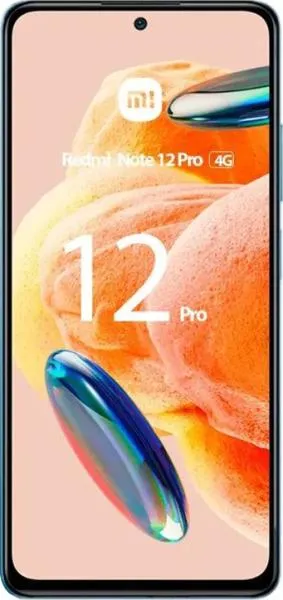
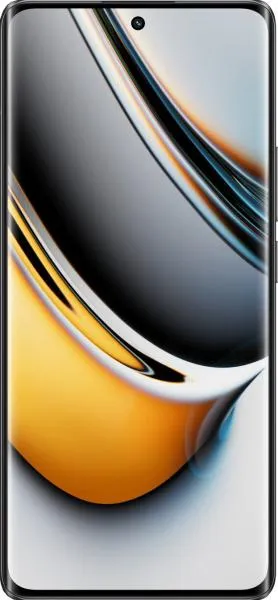
| Feature | Xiaomi Redmi Note 12 Pro 4G | Realme 11 Pro | Practical Impact |
|---|---|---|---|
| Design | |||
| Dimensions (mm) | 164.2 x 76.1 x 8.1 | 161.7 x 73.9 x 8.2 | Realme 11 Pro is slightly smaller and lighter, potentially more comfortable for one-handed use. |
| Weight (g) | 201.8 | 183 | Realme 11 Pro is noticeably lighter, reducing hand fatigue during extended use. |
| Fingerprint Sensor | Side-mounted | Under-display | Personal preference; under-display is often considered more modern. |
| Display | |||
| Display Type | AMOLED, 120Hz | AMOLED, 120Hz, 1B colors | Both offer smooth scrolling and vivid colors; Realme's 1B color depth offers a wider color gamut for more accurate color reproduction. |
| Display Size (inches) | 6.67 | 6.7 | Negligible size difference. |
| Resolution | 1080 x 2400 | 1080 x 2412 | Virtually identical resolutions; sharpness will be similar. |
| HDR | Dolby Vision | HDR10+ | Both support HDR for enhanced video content; Dolby Vision generally offers better dynamic range. |
| Peak Brightness (nits) | 1100 | 950 | Redmi Note 12 Pro should offer better visibility in bright sunlight. |
| Performance | |||
| Chipset | Snapdragon 732G (8nm) | Dimensity 7050 (6nm) | Dimensity 7050, built on a smaller process node, is likely more power efficient. Performance differences might be noticeable in demanding tasks. |
| CPU | Octa-core (2x2.2 GHz Kryo 470 Gold & 6x1.8 GHz Kryo 470 Silver) | Octa-core (2x2.6 GHz Cortex-A78 & 6x2.0 GHz Cortex-A55) | Realme 11 Pro likely has better CPU performance due to faster clock speeds and newer architecture. |
| GPU | Adreno 618 | Mali-G68 MC4 | Realme 11 Pro's Mali-G68 MC4 should provide better gaming performance. |
| RAM | 8GB | 8GB/12GB | 12GB RAM option on Realme allows for smoother multitasking and better performance with demanding apps. |
| OS | Android 11 | Android 13 | Realme 11 Pro ships with a more recent Android version, offering newer features and longer software support. Upgradable to Android 15 |
| Camera | |||
| Main Camera | 108MP | 100MP | Both have high-resolution sensors; image quality will depend more on processing and other factors. |
| Ultrawide | 8MP | Not specified | Redmi Note 12 Pro offers an ultrawide lens for wider field of view shots, Realme specs are unclear. |
| Optical Zoom | No | No | Neither phone offers optical zoom. |
| Video Capabilities | 4K@30fps | 4K@30fps with EIS | Both can record 4K video; Realme 11 Pro features Electronic Image Stabilization (EIS) for smoother video footage. More extensive slow-motion video options. |
| Battery | |||
| Capacity | 5000mAh | 5000mAh | Similar battery capacities, but actual battery life will depend on usage and efficiency of the processors. |
| Charging Speed | Not specified | Not specified | Insufficient information to compare charging speeds. |
2. Key Differences Analysis
Realme 11 Pro Advantages:
- More Recent OS and Potential for Updates: Android 13 with potential update to 15 offers feature and security advantages.
- Performance: Dimensity 7050 and Mali-G68 MC4 GPU offer a performance advantage for gaming and demanding tasks.
- Video Stabilization: EIS provides smoother video recording.
- More RAM Options: 12GB RAM option enables better multitasking.
- Lighter and Slightly Smaller: Enhanced one-handed usability.
Xiaomi Redmi Note 12 Pro 4G Advantages:
- Brighter Display: Better visibility outdoors.
- Dolby Vision: Potentially better HDR performance.
- Ultrawide Camera: Offers a wider field of view for photography.
3. User Profiles & Recommendations
Realme 11 Pro: Users who prioritize performance, a modern OS with longer software update support, smoother video recording, and a lighter, more compact design. Ideal for gamers, multitaskers, and content creators.
Xiaomi Redmi Note 12 Pro 4G: Users who value a brighter display for outdoor use, Dolby Vision HDR, and ultrawide photography capabilities. Suitable for media consumption and casual photography.
4. Decision Framework
Key Questions for Buyers:
- What is your budget? Compare prices for similar storage configurations.
- What are your primary use cases? (Gaming, photography, video recording, general use)
- How important is software support and updates?
My Choice: Realme 11 Pro
While the Redmi Note 12 Pro 4G has a brighter display and Dolby Vision, the Realme 11 Pro offers a more compelling overall package. Its superior performance, newer OS with longer update potential, video stabilization, and lighter design outweigh the Redmi's advantages for me. The more efficient chipset also promises better battery life despite having the same battery capacity as the Redmi. The availability of a 12GB RAM option caters to power users. Ultimately, the Realme 11 Pro offers a more future-proof and versatile experience.
