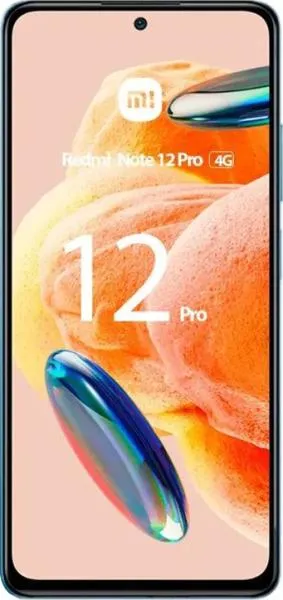

1. Specifications Comparison
| Feature | Xiaomi Redmi Note 12 Pro 4G | OnePlus 12 | Practical Impact |
|---|---|---|---|
| Design | |||
| Dimensions (mm) | 164.2 x 76.1 x 8.1 | 164.3 x 75.8 x 9.2 | OnePlus 12 is slightly thicker and heavier. |
| Weight (g) | 201.8 | 220 | Noticeable difference in hand feel; Redmi is lighter. |
| Display | |||
| Size (inches) | 6.67 | 6.82 | OnePlus 12 offers a larger viewing area. |
| Resolution | 1080 x 2400 | 1440 x 3168 | OnePlus 12 has a significantly sharper display (higher pixel density). |
| Refresh Rate | 120Hz | 120Hz | Both offer smooth scrolling and animations. |
| Display Type | AMOLED | LTPO AMOLED | OnePlus 12's LTPO display allows for dynamic refresh rate adjustment, potentially saving battery. It also supports a much higher peak brightness and HDR10+. |
| Peak Brightness | 1100 nits | 4500 nits | OnePlus 12 is vastly superior in bright sunlight readability. |
| Performance | |||
| Chipset | Snapdragon 732G (8nm) | Snapdragon 8 Gen 3 (4nm) | OnePlus 12 boasts significantly faster processing power for demanding tasks and gaming. |
| CPU | Octa-core (2x2.2 GHz Kryo 470 Gold & 6x1.8 GHz Kryo 470 Silver) | Octa-core (1x3.3 GHz Cortex-X4 & 3x3.2 GHz Cortex-A720 & 2x3.0 GHz Cortex-A720 & 2x2.3 GHz Cortex-A520) | The OnePlus 12's CPU architecture is much more modern and powerful. |
| GPU | Adreno 618 | Adreno 750 | OnePlus 12 will offer much better gaming performance. |
| RAM | 8GB | 12/16/24GB | OnePlus 12 offers more RAM for multitasking and future-proofing. |
| Camera | |||
| Main Camera | 108MP | 50MP Sony IMX989 | While megapixel count is lower on the OnePlus, sensor quality is paramount. The IMX989 is known for excellent low-light performance and dynamic range. |
| Ultrawide | 8MP | 48MP Sony IMX581 | Significant difference in ultrawide quality; OnePlus 12's sensor is much better. |
| Telephoto | N/A | 64MP OmniVision OV64B | OnePlus 12 offers optical zoom capability, absent in the Redmi Note 12 Pro. |
| Video | 4K@30fps | 8K@24fps | OnePlus 12 supports higher resolution video recording. |
| Battery | |||
| Capacity | 5000 mAh | 5400 mAh | Slightly larger battery in the OnePlus 12. |
| Charging Speed | Not specified | Not specified | Cannot compare charging speeds without specific data. |
2. Key Differences Analysis
OnePlus 12 Advantages:
- Significantly faster performance: Snapdragon 8 Gen 3 offers a substantial leap in processing power.
- Superior display: Sharper, brighter, and more power-efficient due to LTPO technology.
- More versatile camera system: Higher quality sensors, optical zoom, and 8K video recording.
- More RAM: Better for multitasking and future-proofing.
- Longer Software Support: Guaranteed updates to Android 18.
Xiaomi Redmi Note 12 Pro 4G Advantages:
- Lower Price: Expected to be considerably more affordable.
- Lighter and Thinner: More comfortable for one-handed use.
3. User Profiles & Recommendations
OnePlus 12: Users who prioritize performance, premium display, top-tier camera capabilities, and future-proofing. Ideal for demanding tasks, gaming, content creation, and photography enthusiasts.
Xiaomi Redmi Note 12 Pro 4G: Budget-conscious users who prioritize affordability and a lightweight design. Suitable for everyday tasks, social media, casual gaming, and light photography.
4. Decision Framework
Key Questions for Buyers:
- What is your budget? The OnePlus 12 will command a significantly higher price.
- What are your primary use cases? Demanding tasks and gaming benefit from the OnePlus 12's superior performance.
- How important are camera quality and display quality? OnePlus 12 excels in both areas.
Scenario-Based Recommendations:
- Limited budget: Redmi Note 12 Pro 4G
- Prioritize performance and future-proofing: OnePlus 12
- Best camera and display: OnePlus 12
My Choice: OnePlus 12
While significantly more expensive, the OnePlus 12 offers a substantial upgrade in almost every aspect. The superior performance, future-proofed specifications (including guaranteed software updates), stunning display, and versatile camera system make it a compelling choice for a long-term investment. The Redmi Note 12 Pro 4G is a good budget option, but the performance and feature gap is too significant to ignore. The longevity offered by the OnePlus 12, along with its premium features, justifies the higher price for me.
