1. Specifications Comparison
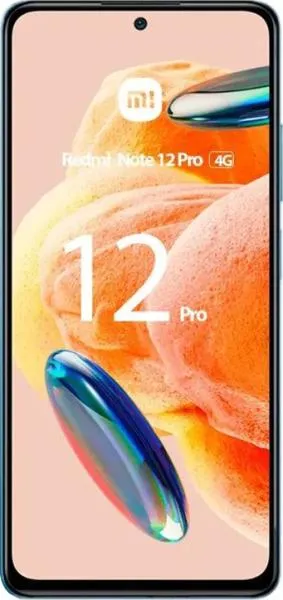
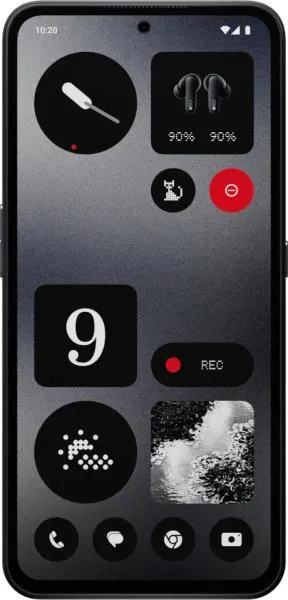
| Feature | Xiaomi Redmi Note 12 Pro 4G | Nothing CMF Phone 1 | Practical Impact |
|---|---|---|---|
| Design | |||
| Dimensions (mm) | 164.2 x 76.1 x 8.1 | 164 x 77 x 8.2 | Virtually identical in size and feel. |
| Weight (g) | 201.8 | 197 | Negligible weight difference. |
| Build Materials | Unspecified | Unspecified | Cannot compare build quality without more information. |
| Display | |||
| Display Type | AMOLED | AMOLED | Both offer vibrant colors and deep blacks. |
| Refresh Rate | 120Hz | 120Hz | Smooth scrolling and animations on both. |
| Peak Brightness | 1100 nits (typical), 700nits (HBM) | 2000 nits (peak), 500 nits (typical) | The Nothing phone will be significantly more visible in direct sunlight. |
| HDR | Dolby Vision | None specified | Redmi offers better HDR support for compatible content. |
| Performance | |||
| Chipset | Snapdragon 732G (8nm) | Dimensity 7300 (4nm) | The Nothing phone with the Dimensity 7300 and smaller process node likely offers better performance and power efficiency. |
| CPU | Octa-core (2x2.2 GHz Kryo 470 Gold & 6x1.8 GHz Kryo 470 Silver) | Octa-core (4x2.5 GHz Cortex-A78 & 4x2.0 GHz Cortex-A55) | The Nothing phone's CPU architecture suggests superior multi-core performance. |
| GPU | Adreno 618 | Mali-G615 MC2 | Difficult to compare without benchmarks; both should handle day-to-day tasks and moderate gaming. |
| RAM | 8GB | 8GB | Same RAM capacity, multitasking performance should be similar. |
| OS | Android 11 (upgradable to unspecified version) | Android 14 (upgradable to 16) | The Nothing phone ships with a newer Android version and guaranteed longer updates, providing better security and features. |
| Camera | |||
| Rear Camera | 108MP main, 8MP ultrawide, 2MP macro, 2MP depth | 50MP main, 2MP depth | The Redmi phone offers a higher resolution main sensor and an ultrawide lens, providing more versatile photography options. |
| Front Camera | 16MP | 16MP | Similar selfie camera resolution. |
| Video Recording | 4K@30fps | 4K@30fps with EIS | Both record 4K video; the Nothing phone features Electronic Image Stabilization (EIS) for smoother footage. |
| Battery | |||
| Capacity | 5000 mAh | 5000 mAh | Similar battery capacity, expected battery life should be comparable, though the Nothing phone's more efficient chipset could provide an advantage. |
| Charging Speed | Unspecified | Unspecified | Cannot compare charging speeds without specific data. |
| Other | |||
| NFC | Yes | No | Redmi Note 12 Pro enables contactless payments and data transfer. |
| 5G Connectivity | No | Yes | The Nothing phone offers faster cellular data speeds and future-proofing where 5G is available. |
2. Key Differences Analysis
Xiaomi Redmi Note 12 Pro 4G Advantages:
- More Versatile Camera System: Offers an ultrawide lens and a higher resolution main sensor.
- Dolby Vision Support: Enhanced HDR experience for compatible content.
- NFC: Enables contactless payments.
Nothing CMF Phone 1 Advantages:
- More Powerful and Efficient Chipset: Likely offers smoother performance and better battery life.
- Newer Software with Longer Update Guarantee: Improved security and features, longer software support lifespan.
- 5G Connectivity: Faster data speeds and future-proofing.
- Brighter Display: Significantly better outdoor visibility.
- Video Stabilization: Smoother video recording.
3. User Profiles & Recommendations
Xiaomi Redmi Note 12 Pro 4G: Users who prioritize camera versatility, Dolby Vision HDR, and NFC functionality on a budget. Ideal for photography enthusiasts and those who need contactless payments.
Nothing CMF Phone 1: Users who value performance, future-proof 5G connectivity, longer software updates, and a brighter display. Ideal for users who prioritize speed, longevity, and outdoor usage.
4. Decision Framework
Key Questions for Buyers:
- Is 5G connectivity essential? If yes, the Nothing Phone is the only option.
- What is your budget? Consider the price difference between storage configurations.
- What are your primary use cases? Photography enthusiasts might prefer the Redmi, while performance-focused users might lean towards the Nothing Phone.
My Choice: Nothing CMF Phone 1
While the Redmi Note 12 Pro offers a more versatile camera system and Dolby Vision, the Nothing CMF Phone 1's superior performance, newer software with longer update commitment, 5G connectivity, and brighter display are more compelling for me. The significantly brighter display, alone, significantly improves usability in many situations. I prioritize long-term usability and performance over a slightly higher resolution main camera or an ultrawide lens, features I wouldn't use frequently. The lack of NFC is a minor inconvenience for me personally, easily outweighed by the other advantages. The newer, more efficient chipset in the Nothing Phone also suggests better battery life in real-world usage, a crucial factor for daily use. Ultimately, the Nothing phone provides a more well-rounded and future-proof package.
