1. Specifications Comparison
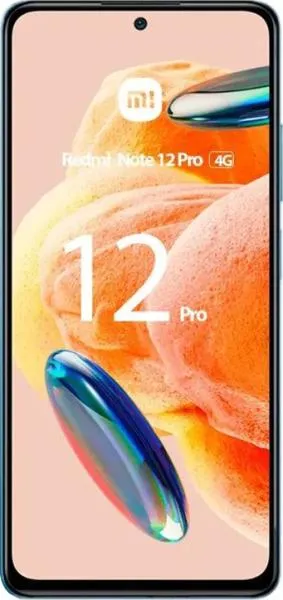
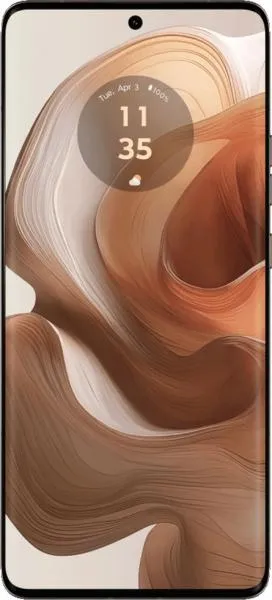
| Feature | Xiaomi Redmi Note 12 Pro 4G | Motorola Edge 50 Ultra | Practical Impact |
|---|---|---|---|
| Design | |||
| Dimensions (mm) | 164.2 x 76.1 x 8.1 | 161.1 x 72.4 x 8.6 | Motorola is slightly shorter, narrower, but thicker. Negligible difference in hand feel. |
| Weight (g) | 201.8 | 197 | Minimal weight difference, unlikely to be noticeable. |
| Build | Not specified | Not specified | Build quality comparison not possible without more information. |
| Display | |||
| Display Type | AMOLED, 120Hz | P-OLED, 144Hz | Both offer smooth scrolling and animations. Motorola's 144Hz and P-OLED might offer slightly smoother visuals and potentially better power efficiency. |
| Display Size (inches) | 6.67 | 6.7 | Virtually identical screen sizes. |
| Resolution | 1080 x 2400 | 1220 x 2712 | Motorola offers sharper visuals due to higher resolution. |
| Peak Brightness (nits) | 1100 | 2500 | Motorola's significantly higher peak brightness provides much better outdoor visibility. |
| Color Depth | Not specified | 1B | Motorola supports a wider color gamut, resulting in more vibrant and accurate colors. |
| HDR | Dolby Vision | HDR10+ | Both support HDR standards for enhanced video content, though specific content availability may vary depending on the platform. |
| Performance | |||
| Chipset | Snapdragon 732G (8nm) | Snapdragon 8s Gen 3 (4nm) | Motorola boasts a significantly more powerful and efficient processor, leading to much faster performance in demanding tasks and potentially better battery life. |
| CPU | Octa-core (2x2.2 GHz Kryo 470 Gold & 6x1.8 GHz Kryo 470 Silver) | Octa-core (1x3.0 GHz Cortex-X4 & 4x2.8 GHz Cortex-A720 & 3x2.0 GHz Cortex-A520) | Motorola's CPU architecture is newer and more powerful, resulting in significantly improved performance. |
| GPU | Adreno 618 | Adreno 735 | Motorola's GPU offers a substantial performance advantage for gaming and graphically intensive applications. |
| RAM | 8GB | 12/16GB | Motorola offers more RAM, enabling better multitasking and smoother performance with multiple apps. |
| OS | Android 11 | Android 14 | Motorola ships with a newer Android version, offering more features, security updates, and potentially longer software support. Upgradability to Android 17 is a significant advantage. |
| Camera | |||
| Main Camera | 108MP | 50MP | Xiaomi has a higher megapixel count, but Motorola's larger sensor (1/1.3") likely captures more light, potentially resulting in better low-light performance. |
| Ultrawide | 8MP | 50MP | Motorola offers a significantly better ultrawide camera with higher resolution and likely better image quality. |
| Telephoto | Not specified | 64MP with 3x Optical Zoom | Motorola offers optical zoom for clearer zoomed-in shots, a feature absent in the Xiaomi phone. |
| Selfie | 16MP | 50MP | Motorola offers a much higher resolution selfie camera. |
| Battery | |||
| Capacity (mAh) | 5000 | 4500 | Xiaomi has a larger battery capacity, potentially offering longer battery life despite its less efficient processor. Real-world usage will vary. |
| Charging Speed | Not Specified | Not Specified | Charging speed comparison not possible without more information. |
2. Key Differences Analysis
Motorola Edge 50 Ultra Advantages:
- Significantly superior performance: The Snapdragon 8s Gen 3 chipset offers a major leap in processing power and efficiency compared to the Snapdragon 732G.
- Smoother and brighter display: The 144Hz P-OLED display with 2500 nits peak brightness provides a noticeable improvement in visual quality and outdoor visibility.
- More versatile camera system: The inclusion of a telephoto lens with optical zoom and a high-resolution ultrawide sensor makes the Motorola camera system much more capable.
- Newer software with longer support: Android 14 with guaranteed updates to Android 17 ensures access to the latest features and security patches for an extended period.
- Faster USB Connectivity: USB 3.1 Gen 2 with DisplayPort 1.4 allows for faster data transfer and video output.
Xiaomi Redmi Note 12 Pro 4G Advantages:
- Potentially longer battery life: The larger 5000mAh battery could potentially outlast the Motorola's 4500mAh battery in real-world usage, despite the less efficient processor. This needs real-world testing to confirm.
3. User Profiles & Recommendations
Motorola Edge 50 Ultra: Ideal for users who prioritize performance, a high-quality display, a versatile camera system, and the latest software features. Suitable for demanding tasks like gaming, content creation, and multitasking.
Xiaomi Redmi Note 12 Pro 4G: Best suited for budget-conscious users who prioritize battery life and primarily use their phones for everyday tasks like browsing, social media, and light gaming.
4. Decision Framework
Key Questions for Buyers:
- What is your budget? The Motorola is significantly more expensive.
- What are your primary phone usage patterns? Heavy users will appreciate the Motorola's performance, while light users might find the Xiaomi sufficient.
- How important are camera quality and software updates? The Motorola excels in both areas.
Scenario-Based Recommendations:
- Gamer: Motorola Edge 50 Ultra
- Photographer/Videographer: Motorola Edge 50 Ultra
- Budget-conscious user: Xiaomi Redmi Note 12 Pro 4G
- User who prioritizes long software updates: Motorola Edge 50 Ultra
My Choice: Motorola Edge 50 Ultra
While the Xiaomi Redmi Note 12 Pro 4G offers a larger battery, the Motorola Edge 50 Ultra's significant advantages in performance, display, camera, and software make it the clear winner for me. The Snapdragon 8s Gen 3, coupled with the 144Hz P-OLED display and versatile camera system, provides a vastly superior user experience. The longer software support commitment from Motorola also ensures the device will remain relevant and secure for a longer period. The price difference is significant, but the value proposition of the Motorola Edge 50 Ultra justifies the higher cost for my needs. I prioritize a smooth and responsive user experience, a high-quality display, and a capable camera, making the Motorola the better choice.
