1. Specifications Comparison
| Feature | Xiaomi Redmi Note 12 Pro 4G | Honor X7b | Practical Impact |
|---|---|---|---|
| Design | |||
| Dimensions (mm) | 164.2 x 76.1 x 8.1 | 166.7 x 76.5 x 8.2 | Honor X7b is slightly larger and thicker. Negligible difference in daily use. |
| Weight (g) | 201.8 | 199 | Virtually identical weight; no noticeable difference in hand. |
| Build Materials | Not specified | Not specified | Cannot compare build quality and durability without more information. |
| Display | |||
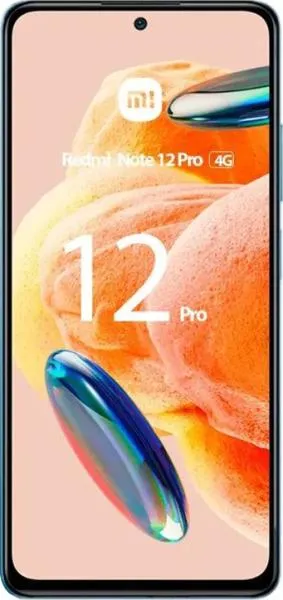
| Display Type | AMOLED, 120Hz | IPS LCD, 90Hz | Redmi's AMOLED offers richer colors, deeper blacks, and better power efficiency in dark mode. Its 120Hz refresh rate provides smoother scrolling and animations compared to Honor's 90Hz LCD. |
| Display Size (inches) | 6.67 | 6.8 | Honor X7b has a slightly larger screen, providing more viewing area. |
| Resolution | 1080 x 2400 | 1080 x 2412 | Nearly identical resolution; sharpness will be similar on both devices. |
| Peak Brightness (nits) | 1100 | 850 (peak) | Redmi Note 12 Pro will have significantly better outdoor visibility in bright sunlight. |
| Performance | |||
| Chipset | Snapdragon 732G (8nm) | Snapdragon 680 4G (6nm) | Redmi Note 12 Pro has a more powerful processor, leading to better performance in demanding tasks and games. While the 6nm process in the Honor X7b suggests better power efficiency, the Snapdragon 680 is less powerful overall. |
| CPU | Octa-core (2x2.2 GHz Kryo 470 Gold & 6x1.8 GHz Kryo 470 Silver) | Octa-core (4x2.4 GHz Kryo 265 Gold & 4x1.9 GHz Kryo 265 Silver) | Redmi's CPU configuration, despite slightly lower clock speeds on some cores, offers a better balance for demanding tasks due to the more powerful Kryo 470 cores. |
| GPU | Adreno 618 | Adreno 610 | Redmi Note 12 Pro has a more powerful GPU, resulting in smoother gaming and graphics performance. |
| RAM | 8GB | 6GB/8GB | 8GB RAM on the Redmi ensures smoother multitasking and app switching compared to the 6GB variant of the Honor X7b. |
| Camera | |||
| Main Camera | 108MP, f/1.9 | 108MP, f/1.8 | Similar megapixel count, but image quality will depend on sensor and processing. Missing sensor details for Honor X7b make detailed comparison impossible. |
| Video Recording | 4K@30fps, 1080p@60fps | 1080p@30fps | Redmi Note 12 Pro offers superior video recording capabilities with 4K resolution and 60fps at 1080p. |
| Battery | |||
| Capacity (mAh) | 5000 | 5330 | Honor X7b has a slightly larger battery capacity, potentially offering longer battery life. Real-world battery life depends on usage and optimization. |
2. Key Differences Analysis
Xiaomi Redmi Note 12 Pro 4G Advantages:
- Superior Display: AMOLED with 120Hz refresh rate offers a significantly better visual experience.
- More Powerful Performance: Snapdragon 732G and Adreno 618 provide smoother performance for gaming and demanding tasks.
- Better Video Recording: 4K recording and 1080p@60fps offer higher quality and smoother videos.
Honor X7b Advantages:
- Slightly Larger Battery: Potentially longer battery life, though real-world usage will vary.
- Slightly Larger Display: Provides a marginally larger viewing area.
- Potentially More Affordable: Specific pricing varies but the Honor X7b may offer lower cost options depending on RAM/Storage configuration.
3. User Profiles & Recommendations
Xiaomi Redmi Note 12 Pro 4G: Users who prioritize display quality, performance, and multimedia consumption (gaming, video recording/playback).
Honor X7b: Users seeking a large screen, long battery life, and a more budget-friendly option. Suitable for basic tasks like browsing, social media, and casual media consumption.
4. Decision Framework
Key Questions for Buyers:
- What is your budget?
- What are your primary use cases (gaming, photography, social media)?
- How important is display quality and performance?
Scenario-Based Recommendations:
- Gamer: Redmi Note 12 Pro 4G due to its superior performance.
- Photographer/Videographer: Redmi Note 12 Pro 4G for its better video recording capabilities and potentially better camera sensor (more details needed for Honor X7b).
- Casual User: Honor X7b if budget is a primary concern and usage is limited to basic tasks.
My Choice: Xiaomi Redmi Note 12 Pro 4G
The Xiaomi Redmi Note 12 Pro 4G is the clear winner for me. The superior AMOLED display with 120Hz, the more powerful processor and GPU, and the significantly better video recording capabilities are major advantages. While the Honor X7b offers a slightly larger battery and screen, these are minor benefits compared to the significant performance and display advantages of the Redmi. Even if the Honor X7b ends up being slightly cheaper, the overall user experience offered by the Redmi Note 12 Pro 4G makes it a more compelling device. The smoother performance, vibrant display, and higher quality video recording capabilities would significantly enhance my daily usage.
