1. Specifications Comparison
| Feature | Xiaomi Redmi Note 12 Pro 4G | Google Pixel 9 Pro Fold | Practical Impact |
|---|---|---|---|
| Design | |||
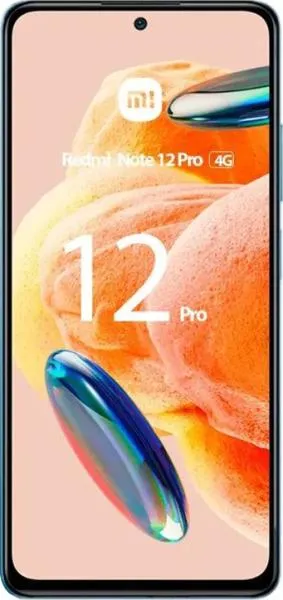
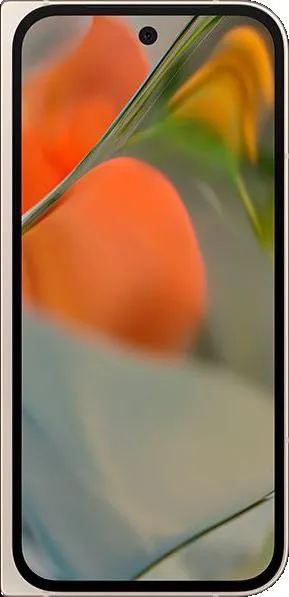
| Dimensions (mm) | 164.2 x 76.1 x 8.1 | 155.2 x 150.2 x 5.1 | Pixel 9 Pro Fold is significantly wider but thinner due to its foldable design. Redmi Note 12 Pro is taller and lighter. Foldable design offers portability and a larger screen when unfolded but can be bulky when folded. |
| Weight (g) | 201.8 | 257 | Redmi is noticeably lighter, making it more comfortable for extended use. Pixel's weight is understandable given its complex hinge and larger display. |
| Foldable | No | Yes | Pixel's folding screen allows for a larger display in a pocketable device, transforming the user experience for multitasking and media consumption. |
| Display | |||
| Display Size (inches) | 6.67 | 8 | Pixel offers a much larger screen area, especially when unfolded, providing a more immersive experience for media consumption and productivity. |
| Resolution (px) | 1080 x 2400 | 2076 x 2152 | Pixel boasts a significantly higher resolution, resulting in sharper text and images. |
| Display Type | AMOLED, 120Hz | Foldable LTPO OLED, 120Hz | Both offer smooth scrolling and animations thanks to the 120Hz refresh rate. Pixel's LTPO technology allows for dynamic refresh rate adjustment, potentially saving battery. We lack color depth info for both. |
| Peak Brightness (nits) | 1100 | 2700 | Pixel's significantly higher peak brightness ensures excellent outdoor visibility. |
| Performance | |||
| Chipset | Snapdragon 732G (8 nm) | Google Tensor G4 (4 nm) | Tensor G4 is a much more powerful and efficient chip, enabling superior performance in demanding tasks and AI-powered features. |
| CPU | Octa-core (2x2.2 GHz Kryo 470 Gold & 6x1.8 GHz Kryo 470 Silver) | Octa-core (1x3.1 GHz Cortex-X4 & 3x2.6 GHz Cortex-A720 & 4x1.92 GHz Cortex-A520) | Pixel's CPU architecture and higher clock speeds offer significant performance advantages in multitasking, gaming, and demanding applications. |
| GPU | Adreno 618 | Mali-G715 MC7 | Pixel's GPU is more powerful, resulting in smoother gaming and faster graphics rendering. |
| RAM (GB) | 8 | 16 | Pixel's double the RAM allows for seamless multitasking and smoother performance when running multiple apps. |
| Camera | |||
| Main Camera (MP) | 108 | 48 | While Redmi has higher megapixels, Pixel's computational photography and advanced image processing typically result in better overall image quality. Sensor size and pixel size data is missing for Pixel, making detailed comparison difficult. |
| Video Capabilities | 4K@30fps | Up to 4K@60fps with HDR, OIS, EIS | Pixel offers superior video recording capabilities with higher frame rates, HDR support, and optical image stabilization. |
| Battery | |||
| Capacity (mAh) | 5000 | 4650 | Redmi has a slightly larger battery capacity. However, real-world battery life depends on various factors, including software optimization and display usage. Pixel's LTPO display might offset the smaller battery. |
2. Key Differences Analysis
Xiaomi Redmi Note 12 Pro 4G Advantages:
- Lower Price: Significantly more affordable.
- Lighter Weight: More comfortable for one-handed use and extended periods.
- Larger Battery Capacity: Potentially longer battery life, although real-world usage will vary.
Google Pixel 9 Pro Fold Advantages:
- Foldable Display: Offers a larger screen for multitasking and media consumption in a pocketable form factor.
- Significantly More Powerful: Superior performance in all aspects due to a much newer and more powerful chipset, GPU, and more RAM.
- Superior Camera System: Expected to deliver better image quality due to Google's advanced image processing algorithms, though detailed specs are missing to confirm. OIS and EIS on Pixel provide smoother videos.
- 5G Connectivity: Offers faster data speeds and improved network connectivity compared to Redmi's 4G.
- Software Updates: Pixel will receive longer and more frequent software updates, ensuring security and new features for an extended period. Redmi's maximum Android version is unknown.
Trade-offs:
- Price vs. Features: Redmi offers a good value proposition for its price but compromises on performance and features compared to the Pixel.
- Portability vs. Screen Size: Pixel's foldable design allows for a larger screen but comes with increased weight and bulk.
3. User Profiles & Recommendations
Xiaomi Redmi Note 12 Pro 4G:
- Budget-conscious users: Prioritize affordability over top-tier performance and features.
- Casual users: Primarily use their phone for basic tasks like calling, texting, social media, and light web browsing.
- Users who prioritize battery life and lightweight design: The larger battery and lighter weight are appealing for users who dislike frequent charging or bulky phones.
Google Pixel 9 Pro Fold:
- Power users: Demand top-tier performance for demanding tasks, multitasking, and gaming.
- Content creators: Utilize the large, high-resolution display for photo and video editing, as well as content consumption.
- Tech enthusiasts: Embrace cutting-edge technology and appreciate the innovative foldable design.
- Users who prioritize staying up-to-date with the latest software: Pixel's guaranteed updates are a major advantage for users concerned about security and new features.
4. Decision Framework
Key Questions for Buyers:
- What is your budget? The Pixel is significantly more expensive.
- What are your primary smartphone usage patterns? Casual users might find the Redmi sufficient, while power users will appreciate the Pixel's performance.
- How important is a large, foldable screen? This is a defining feature of the Pixel and a key consideration.
My Choice: Google Pixel 9 Pro Fold
While the Xiaomi Redmi Note 12 Pro 4G offers good value for its price, the Google Pixel 9 Pro Fold is the clear winner for me. The significantly more powerful processor, superior camera system (even with missing detail), longer software support, and innovative foldable display greatly outweigh the higher price and increased weight. As someone who values performance, cutting-edge technology, and future-proofing, the Pixel 9 Pro Fold aligns better with my needs. The ability to have a tablet-like experience in a pocketable device is a game changer for productivity and entertainment. While the price is premium, the advanced technology and substantial performance gains justify the investment for my use case.
