1. Specifications Comparison
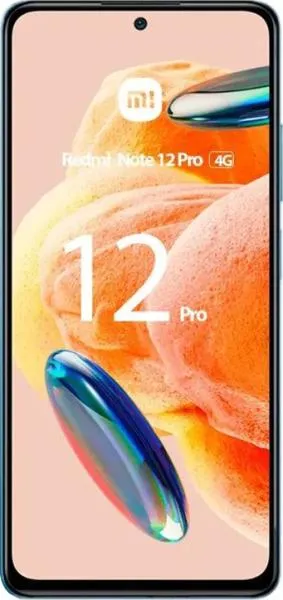
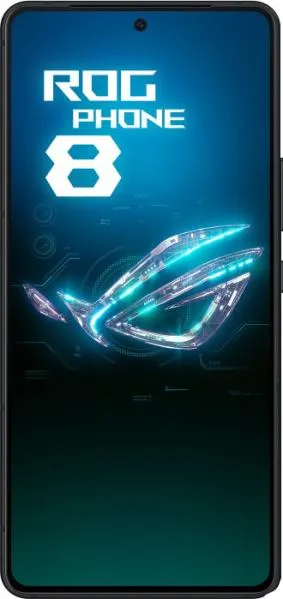
| Feature | Xiaomi Redmi Note 12 Pro 4G | Asus ROG Phone 8 | Practical Impact |
|---|---|---|---|
| Design | |||
| Dimensions (mm) | 164.2 x 76.1 x 8.1 | 163.8 x 76.8 x 8.9 | ROG Phone 8 slightly wider and thicker. Negligible difference in daily use. |
| Weight (g) | 201.8 | 225 | ROG Phone 8 noticeably heavier, potentially impacting long-term comfort. |
| Display | |||
| Size (inches) | 6.67 | 6.78 | ROG Phone 8 marginally larger; minimal difference in screen real estate. |
| Resolution | 1080 x 2400 | 1080 x 2400 | Identical resolution; sharpness comparable on both devices. |
| Refresh Rate (Hz) | 120 | 165 | ROG Phone 8 offers significantly smoother scrolling and animations, especially noticeable in gaming. |
| Display Type | AMOLED | LTPO AMOLED | Both offer vibrant colors and deep blacks. LTPO on ROG Phone 8 allows for dynamic refresh rate adjustment, potentially saving battery. ROG Phone 8's peak brightness is much higher, improving outdoor visibility. |
| Performance | |||
| Chipset | Snapdragon 732G | Snapdragon 8 Gen 3 | ROG Phone 8 boasts significantly more powerful CPU and GPU, resulting in much faster performance in demanding tasks and games. |
| RAM (GB) | 8 | 16 | ROG Phone 8 offers double the RAM, enabling superior multitasking and smoother performance with memory-intensive applications. |
| OS | Android 11 | Android 14 | ROG Phone 8 runs a newer Android version with more features, security updates, and optimizations. It also has a longer commitment to future updates. |
| Camera | |||
| Main Camera (MP) | 108 | 50 | While Redmi has higher megapixel count, ROG Phone uses a larger sensor (IMX890), potentially capturing more light and detail. Image quality depends on processing, a factor not fully detailed here. |
| Video Recording | 4K@30fps | 8K@24fps | ROG Phone 8 capable of higher resolution video recording. |
| Battery | |||
| Capacity (mAh) | 5000 | 5500 | ROG Phone 8 has a slightly larger battery capacity, potentially offering longer usage time. However, its more powerful processor might offset this advantage. |
2. Key Differences Analysis
Xiaomi Redmi Note 12 Pro 4G Advantages:
- Lighter and potentially more comfortable for extended use.
- Potentially more affordable. (Price comparison is limited due to incomplete data).
Asus ROG Phone 8 Advantages:
- Significantly more powerful processor and GPU for demanding tasks and gaming.
- Higher refresh rate display for smoother visuals.
- Larger RAM for better multitasking.
- Newer Android version with longer software support.
- Higher resolution video recording capabilities.
- Potentially better low-light camera performance due to larger sensor. (Need more sensor details for conclusive comparison).
- LTPO display for potential battery savings.
3. User Profiles & Recommendations
Xiaomi Redmi Note 12 Pro 4G:
- Budget-conscious users: Seeking a reliable phone for everyday tasks without breaking the bank.
- Casual users: Primarily using social media, browsing, and light gaming.
Asus ROG Phone 8:
- Gamers: Demanding high performance and smooth frame rates.
- Power users: Running demanding applications and multitasking extensively.
- Tech enthusiasts: Wanting the latest hardware and software features.
4. Decision Framework
Key Questions for Buyers:
- What is your budget? The ROG Phone 8 is expected to be significantly more expensive.
- What are your primary use cases? (Gaming, photography, general use)
- How important is long-term software support?
My Choice: Asus ROG Phone 8
While lacking complete pricing information, the Asus ROG Phone 8 is the superior device based on the provided specifications. Its powerful Snapdragon 8 Gen 3 processor, coupled with 16GB of RAM and a 165Hz LTPO AMOLED display, ensures a smooth and responsive user experience for demanding tasks and gaming. The newer Android version guarantees longer software support and access to the latest features. While heavier, the performance benefits and future-proofing outweigh the slight increase in weight for me. The Redmi Note 12 Pro 4G is a solid mid-range option, but the ROG Phone 8 offers a substantial leap in performance and features that justifies the likely higher price for my needs. I prioritize performance, longevity, and having the latest software, making the ROG Phone 8 the clear winner.
