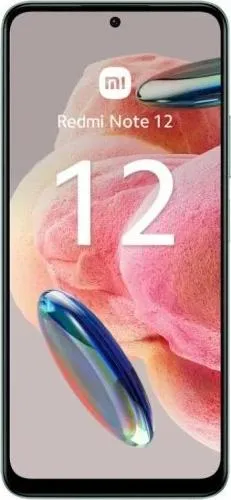

1. Specifications Comparison
| Feature | Xiaomi Redmi Note 12 4G | Xiaomi 14T | Practical Impact |
|---|---|---|---|
| Design | |||
| Dimensions (mm) | 165.7 x 76 x 7.9 | 160.5 x 75.1 x 7.8 | Xiaomi 14T is slightly shorter, narrower, and lighter, potentially improving one-handed usability. |
| Weight (g) | 183.5 | 193 | The Redmi Note 12 4G is noticeably lighter, reducing hand fatigue during extended use. |
| Fingerprint Sensor | Side-mounted | Under-display | Preference-based; under-display is often perceived as more modern. |
| Display | |||
| Display Type | AMOLED, 120Hz | AMOLED, 144Hz | Both offer smooth scrolling and animations; 144Hz on the 14T may be noticeable in fast-paced gaming. |
| Display Size | 6.67" | 6.67" | Identical screen sizes. |
| Resolution | 1080 x 2400 | 1220 x 2712 | The 14T boasts a sharper display with higher pixel density (446 ppi vs 395 ppi), resulting in clearer text and images. |
| Peak Brightness | 1200 nits | 4000 nits | Significantly higher peak brightness on the 14T ensures excellent outdoor visibility even in direct sunlight. |
| HDR Support | No Dolby Vision | Dolby Vision, HDR10+ | The 14T offers a superior HDR experience with wider color gamut and dynamic range, enhancing video and gaming visuals. |
| Performance | |||
| Chipset | Snapdragon 685 (6nm) | Dimensity 8300 Ultra (4nm) | The Dimensity 8300 Ultra in the 14T provides a substantial performance leap over the Snapdragon 685, enabling smoother multitasking, faster app loading, and better gaming capabilities. The 4nm process also suggests better power efficiency. |
| CPU | Octa-core (4x2.8 GHz Cortex-A73 & 4x1.9 GHz Cortex-A53) | Octa-core (1x3.35 GHz Cortex-A715 & 3x3.20 GHz Cortex-A715 & 4x2.20 GHz Cortex-A510) | The 14T's CPU architecture is newer and more powerful. |
| RAM | 4GB/6GB/8GB | 12GB | Significantly more RAM in the 14T allows for more apps to run in the background without performance degradation. |
| GPU | Adreno 610 | Mali G615-MC6 | The Mali G615-MC6 in the 14T offers better graphical performance, leading to improved gaming and smoother rendering of complex visuals. |
| Camera | |||
| Main Camera | 50MP, f/1.8 | 50MP, f/1.7, Sony IMX906 | While both have 50MP sensors, the 14T utilizes the Sony IMX906, generally known for better image quality. The wider aperture (f/1.7) allows for better low-light performance. |
| Additional Cameras | 8MP Wide, 2MP Macro | 13MP Wide, 50MP Telephoto | The 14T replaces the low-resolution macro with a high-resolution telephoto lens, offering significantly better zoom capabilities. |
| Video Recording | 1080p@30fps | Up to 4K@60fps with HDR, EIS, 1080p@960fps | The 14T offers superior video recording capabilities with higher resolution, frame rates, HDR, and advanced stabilization. |
| Battery | |||
| Capacity | 5000mAh | 5000mAh | Identical battery capacities. |
| Fast Charging | 33W | 67W | The 14T charges significantly faster due to its 67W fast charging, reducing downtime. |
2. Key Differences Analysis
Xiaomi 14T Advantages:
- Significantly more powerful: Dimensity 8300 Ultra chipset and 12GB RAM offer a vastly superior performance experience.
- Sharper and brighter display: Higher resolution, refresh rate, and peak brightness result in a superior visual experience.
- More versatile camera system: The inclusion of a telephoto lens and significantly improved video recording capabilities enhance photographic flexibility.
- Faster charging: 67W fast charging significantly reduces charging time.
Xiaomi Redmi Note 12 4G Advantages:
- Lighter: Noticeably lighter weight might be preferred for extended use.
- Lower price: Offers a more budget-friendly option.
3. User Profiles & Recommendations
Xiaomi 14T: Ideal for users who prioritize performance, a high-quality display, and versatile camera capabilities. Excellent for mobile gaming, content creation, and consuming media.
Xiaomi Redmi Note 12 4G: Suitable for budget-conscious users who prioritize basic functionality, such as calling, texting, web browsing, and social media.
4. Decision Framework
Key Questions for Buyers:
- What is your budget? The Redmi Note 12 is significantly cheaper.
- What are your performance requirements? For demanding tasks like gaming or video editing, the 14T is essential.
- How important is camera quality? The 14T offers a significant upgrade in both photo and video capabilities.
My Choice: Xiaomi 14T
While the Redmi Note 12 4G offers a lower price point, the Xiaomi 14T's significant advantages in performance, display, and camera make it the clear winner for me. The superior user experience provided by the faster processor, sharper screen, more versatile camera, and quicker charging outweighs the price difference. I value a smooth and responsive phone that can handle demanding tasks and capture high-quality photos and videos. The Redmi Note 12 4G is a decent budget option, but the 14T represents a substantial upgrade in almost every aspect, making it a much more future-proof investment.
