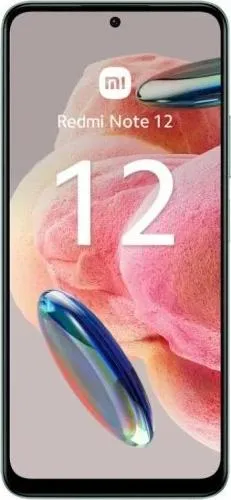

1. Specifications Comparison
| Feature | Xiaomi Redmi Note 12 4G | OnePlus 12R | Practical Impact |
|---|---|---|---|
| Design | |||
| Dimensions (mm) | 165.7 x 76 x 7.9 | 163.3 x 75.3 x 8.8 | The OnePlus is slightly shorter and narrower, but thicker. Negligible difference in everyday use. |
| Weight (g) | 183.5 | 207 | The Redmi is noticeably lighter, reducing hand fatigue during extended use. |
| Build | Unspecified | Unspecified | Build materials impact durability and premium feel. Lack of information limits comparison. |
| Display | |||
| Size (inches) | 6.67 | 6.78 | The OnePlus offers a slightly larger screen for more immersive content consumption. |
| Resolution | 1080 x 2400 | 1264 x 2780 | The OnePlus has a significantly sharper display with higher pixel density (450ppi vs 395ppi), resulting in crisper text and images. |
| Type | AMOLED, 120Hz | LTPO4 AMOLED, 120Hz | Both offer smooth scrolling and animations thanks to 120Hz. LTPO on the OnePlus can dynamically adjust refresh rate for power saving. Missing LTPO confirmation for Redmi. |
| Peak Brightness | 1200 nits | 4500 nits | The OnePlus offers far superior outdoor visibility in direct sunlight. |
| HDR | No Dolby Vision | HDR10+, Dolby Vision | The OnePlus supports wider HDR standards for better video quality on compatible content. |
| Performance | |||
| Chipset | Snapdragon 685 (6nm) | Snapdragon 8 Gen 2 (4nm) | The Snapdragon 8 Gen 2 in the OnePlus vastly outperforms the Redmi's 685, delivering significantly faster performance in demanding tasks and gaming. |
| CPU | Octa-core (4x2.8 GHz Cortex-A73 & 4x1.9 GHz Cortex-A53) | Octa-core (1x3.2 GHz Cortex-X3 & 2x2.8 GHz Cortex-A715 & 2x2.8 GHz Cortex-A710 & 3x2.0 GHz Cortex-A510) | The OnePlus has a much more powerful and efficient CPU architecture. |
| GPU | Adreno 610 | Adreno 740 | The OnePlus offers significantly better graphics performance for smoother gaming and faster rendering. |
| RAM | 4GB | 16GB | The massive difference in RAM allows for much better multitasking on the OnePlus; apps will stay open in the background without reloading. |
| Camera | |||
| Main Camera | 50MP, f/1.8 | 50MP, f/1.8 | Similar resolution, but sensor size and other factors can influence image quality. More data needed for detailed comparison. |
| Video Recording | 1080p@30fps | Up to 4K@60fps with OIS/EIS | The OnePlus offers significantly better video recording capabilities with higher resolution, frame rates and stabilization. |
| Battery | |||
| Capacity | 5000 mAh | 5500 mAh | The OnePlus has a slightly larger battery capacity. |
| Charging | 33W Fast Charging | 100W Fast Charging | The OnePlus charges significantly faster. |
2. Key Differences Analysis
OnePlus 12R Advantages:
- Significantly more powerful: The Snapdragon 8 Gen 2 provides a massive performance advantage for demanding tasks and gaming.
- Superior display: Sharper, brighter, and with better HDR support.
- Faster charging: 100W fast charging dramatically reduces downtime.
- Better video recording: Higher resolution, frame rates, and stabilization.
- More RAM: Improved multitasking capabilities.
Xiaomi Redmi Note 12 4G Advantages:
- Lighter weight: More comfortable for extended use.
- Lower price: Offers a more budget-friendly option. (Specific pricing needed for accurate comparison).
Trade-offs:
- The Redmi sacrifices performance, display quality, and features for a lower price point.
- The OnePlus is heavier and potentially more expensive.
3. User Profiles & Recommendations
Xiaomi Redmi Note 12 4G: Budget-conscious users who prioritize basic functionality: calling, texting, social media, web browsing, and light gaming.
OnePlus 12R: Power users, gamers, and content creators who demand top-tier performance, a great display, and fast charging.
4. Decision Framework
Key Questions:
- What is your budget? The Redmi is significantly cheaper.
- What are your performance needs? The OnePlus is vastly more powerful.
- What features are most important to you? Consider display quality, camera capabilities, and charging speed.
My Choice: OnePlus 12R
While the Redmi Note 12 4G offers a budget-friendly option, the OnePlus 12R's superior performance, stunning display, and incredibly fast charging make it the clear winner for me. The significant upgrade in chipset, RAM, and camera capabilities justifies the higher price, especially for long-term use. The lighter weight of the Redmi is a minor advantage compared to the substantial performance gains of the OnePlus. As someone who values a smooth and responsive user experience, along with high-quality media consumption, the OnePlus 12R aligns better with my needs. The future-proofing offered by the powerful processor and generous RAM ensures the phone remains relevant for several years.
