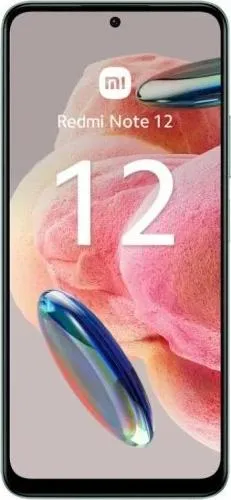
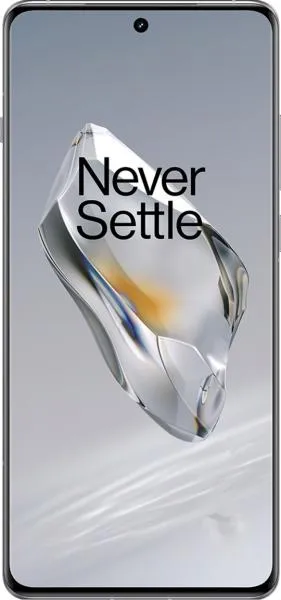
1. Specifications Comparison
| Feature | Xiaomi Redmi Note 12 4G | OnePlus 12 | Practical Impact |
|---|---|---|---|
| Design | |||
| Dimensions (mm) | 165.7 x 76 x 7.9 | 164.3 x 75.8 x 9.2 | OnePlus 12 is slightly shorter and narrower, but thicker and heavier. Redmi Note 12 is more pocketable. |
| Weight (g) | 183.5 | 220 | Significant weight difference; Redmi Note 12 is noticeably lighter for comfortable one-handed use. |
| Display | |||
| Size (inches) | 6.67 | 6.82 | OnePlus 12 offers a slightly larger screen for more immersive media consumption. |
| Resolution (px) | 1080 x 2400 | 1440 x 3168 | OnePlus 12 has a significantly sharper display (510 ppi vs 395 ppi), resulting in crisper text and images. |
| Display Type | AMOLED, 120Hz | LTPO AMOLED, 120Hz, Dolby Vision, HDR10+ | Both offer smooth 120Hz AMOLED displays. OnePlus 12 supports LTPO for dynamic refresh rate adjustment (better battery life), HDR10+, Dolby Vision for superior dynamic range and color accuracy in supported content. |
| Peak Brightness (nits) | 1200 | 4500 | OnePlus 12's display is significantly brighter, ensuring excellent visibility in direct sunlight. |
| Performance | |||
| Chipset | Snapdragon 685 (6nm) | Snapdragon 8 Gen 3 (4nm) | Massive performance difference. Snapdragon 8 Gen 3 offers flagship-level speed and efficiency for demanding tasks and gaming, while the 685 is a mid-range chipset suited for everyday use. |
| CPU | Octa-core (4x2.8 GHz Cortex-A73 & 4x1.9 GHz Cortex-A53) | Octa-core (1x3.3 GHz Cortex-X4 & 3x3.2 GHz Cortex-A720 & 2x3.0 GHz Cortex-A720 & 2x2.3 GHz Cortex-A520) | OnePlus 12 utilizes the latest Cortex cores, resulting in significantly faster processing speeds and improved multi-tasking capabilities. |
| RAM | 4/6/8GB | 12/16/24GB | OnePlus 12 offers much more RAM, enabling superior multitasking and smoother performance with demanding apps. |
| Camera | |||
| Main Camera | 50MP, f/1.8 | 50MP, f/1.6, Sony LYTIA-T808 | OnePlus 12's larger sensor and wider aperture should result in better low-light performance and depth of field. Superior sensor technology likely contributes to better image quality overall. |
| Video Recording | 1080p@30fps | Up to 8K@24fps | OnePlus 12 provides significantly more advanced video recording capabilities, including higher resolution and frame rates. |
| Battery | |||
| Capacity (mAh) | 5000 | 5400 | OnePlus 12 has a slightly larger battery. |
| Charging | 33W Fast Charging | 100W Fast Charging | OnePlus 12 charges significantly faster. |
2. Key Differences Analysis
OnePlus 12 Advantages:
- Significantly more powerful: Snapdragon 8 Gen 3, ample RAM ensure smooth performance for any task.
- Superior Display: Higher resolution, brighter, supports HDR10+, Dolby Vision, and LTPO.
- Advanced Camera System: Larger sensor, wider aperture on the main camera, significantly better video capabilities.
- Faster Charging: 100W fast charging significantly reduces charging times.
Redmi Note 12 4G Advantages:
- Lighter and More Affordable: Noticeably less weight for comfortable handling and a significantly lower price point.
3. User Profiles & Recommendations
OnePlus 12: Power users, gamers, photography enthusiasts, content creators who demand top-tier performance and features.
Redmi Note 12 4G: Budget-conscious users, casual users who prioritize affordability and comfortable handling for everyday tasks like browsing, social media, and light gaming.
4. Decision Framework
Key Questions:
- What is your budget? The OnePlus 12 is a premium flagship device, while the Redmi Note 12 4G is a budget-friendly option.
- What are your primary smartphone usage patterns? Demanding tasks and gaming? Casual use?
- Which features are most important to you? Camera quality? Display quality? Battery life? Performance?
My Choice:
I would choose the OnePlus 12. While the Redmi Note 12 4G offers excellent value for its price, I prioritize performance, display quality, and camera capabilities. The OnePlus 12's significant advantages in these areas, powered by the Snapdragon 8 Gen 3 and its superior camera system, make it the clear winner for my needs. The faster charging is a welcome bonus. While the price premium is substantial, the significant leap in performance and features justifies the cost for a user who values a high-end smartphone experience.
