1. Specifications Comparison
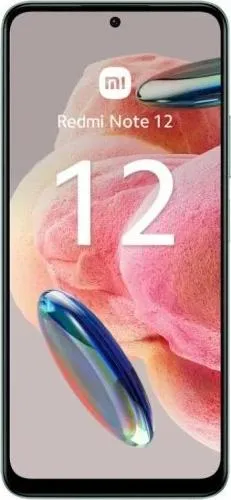
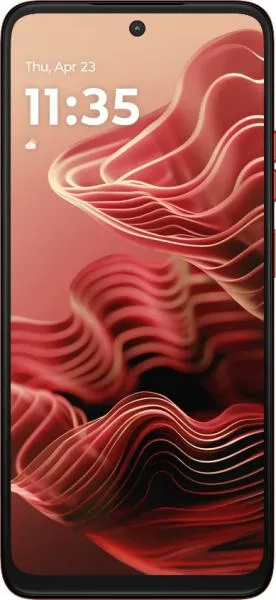
| Feature | Xiaomi Redmi Note 12 4G | Motorola Moto G35 | Practical Impact |
|---|---|---|---|
| Design | |||
| Dimensions (mm) | 165.7 x 76 x 7.9 | 166.3 x 76 x 7.8 | Virtually identical in size and feel. |
| Weight (g) | 183.5 | 188 | Negligible weight difference in daily use. |
| Display | |||
| Type | AMOLED, 120Hz | IPS LCD, 120Hz | AMOLED offers deeper blacks, more vibrant colors, and potentially better power efficiency in dark mode. Moto G35's LCD might be slightly brighter in direct sunlight. |
| Size (inches) | 6.67 | 6.72 | Negligible size difference. |
| Resolution | 1080 x 2400 | 1080 x 2400 | Identical resolution, sharpness will be similar. |
| Peak Brightness (nits) | 1200 | 1000 | Redmi Note 12 4G can get brighter, improving outdoor visibility. |
| HDR | No Dolby Vision, HDR10 unclear | HDR10 | Moto G35 supports HDR10 for compatible content, offering better dynamic range in videos. |
| Performance | |||
| Chipset | Snapdragon 685 (6nm) | Unisoc T760 (6nm) | While both are 6nm, Unisoc T760 generally boasts slightly better CPU performance due to its faster prime core. Real-world difference might be minimal for average tasks. |
| CPU | Octa-core (4x2.8 GHz A73 & 4x1.9 GHz A53) | Octa-core (1x2.2 GHz A76 & 3x A76 & 4x A55) | Moto G35 likely offers a performance advantage in demanding tasks due to the newer Cortex-A76 architecture. |
| GPU | Adreno 610 | Mali-G57 | Mali-G57 generally offers better gaming performance compared to Adreno 610. |
| RAM (Base Model) | 4GB | 4GB | Both offer a base 4GB RAM which might feel limiting for multitasking. |
| Camera | |||
| Main Camera | 50MP, f/1.8 | 50MP, f/1.8 | Same primary sensor, image quality likely similar. Need real-world camera comparisons to determine actual differences. |
| Ultrawide | 8MP, f/2.2 | 8MP, f/2.2 | Similar ultrawide specifications. |
| Macro | 2MP, f/2.4 | None | Redmi Note 12 4G has a dedicated macro lens, though 2MP resolution often yields low-quality results. |
| Selfie | 13MP, f/2.45 | 16MP, f/2.45 | Moto G35 has a higher resolution selfie camera. |
| Video Recording | 1080p@30fps | 4K@30fps, 1080p@30fps | Moto G35 can record in 4K, offering significantly better video quality. |
| Battery | |||
| Capacity | 5000 mAh | 5000 mAh | Identical battery capacity. |
| Fast Charging | 33W | 18W | Redmi Note 12 4G charges significantly faster. |
2. Key Differences Analysis
Xiaomi Redmi Note 12 4G Advantages:
- Brighter Display: Better outdoor visibility.
- Faster Charging: Significantly reduces downtime.
- AMOLED Display: Superior contrast and colors.
Motorola Moto G35 Advantages:
- Better Performance: More powerful CPU and GPU for demanding tasks and gaming.
- 4K Video Recording: Significantly higher resolution video capture.
- 5G Connectivity: Offers faster data speeds and future-proofing (important consideration).
3. User Profiles & Recommendations
Xiaomi Redmi Note 12 4G:
- Ideal User: Budget-conscious users prioritizing display quality and fast charging. Users primarily consuming media and engaging in light tasks.
- Use Cases: Social media browsing, media consumption, casual photography.
Motorola Moto G35:
- Ideal User: Users seeking better performance for gaming and multitasking, prioritizing future-proof 5G connectivity and higher quality video recording.
- Use Cases: Mobile gaming, demanding applications, content creation (video recording), areas with strong 5G coverage.
4. Decision Framework
Key Questions for Buyers:
- Is 5G connectivity crucial? If yes, the Moto G35 is the only option.
- What is your budget? While both are mid-range, prices may vary.
- What are your primary use cases? Gaming and demanding tasks favor the Moto G35, while media consumption favors the Redmi Note 12 4G.
My Choice: Motorola Moto G35
While the Redmi Note 12 offers a vibrant AMOLED display and faster charging, the Moto G35's 5G connectivity, superior performance (CPU and GPU), and 4K video recording are more compelling for long-term use. The slightly faster charging on the Redmi wouldn't outweigh the benefits of future-proof connectivity and a smoother overall user experience offered by the Moto G35. In today's rapidly evolving technological landscape, having a 5G capable device is a significant advantage. Moreover, the performance difference, particularly in the GPU, will be noticeable for gaming and other graphically intensive tasks.
