
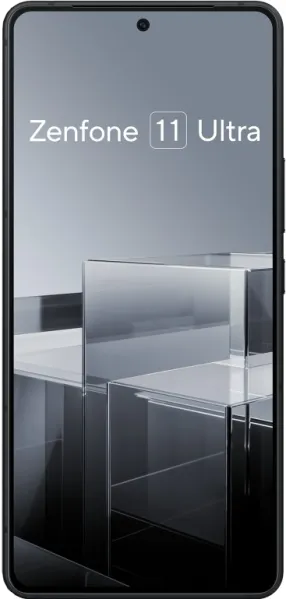
1. Specifications Comparison
| Feature | Xiaomi Redmi Note 12 4G | Asus Zenfone 11 Ultra | Practical Impact |
|---|---|---|---|
| Design | |||
| Dimensions (mm) | 165.7 x 76 x 7.9 | 163.8 x 76.8 x 8.9 | Zenfone 11 Ultra slightly shorter and wider, noticeably thicker. |
| Weight (g) | 183.5 | 224 | Redmi Note 12 significantly lighter, more comfortable for one-handed use. |
| Display | |||
| Size (inches) | 6.67 | 6.78 | Negligible difference in screen real estate. |
| Resolution (px) | 1080 x 2400 | 1080 x 2400 | Identical resolution, sharpness comparable. |
| Refresh Rate (Hz) | 120 | 144 | Zenfone 11 Ultra offers smoother animations and scrolling. |
| Display Type | AMOLED | LTPO AMOLED | Zenfone 11 Ultra's LTPO panel allows for dynamic refresh rate adjustment, potentially saving battery. |
| Peak Brightness (nits) | 1200 | 2500 | Zenfone 11 Ultra significantly brighter, ensuring better outdoor visibility. |
| HDR | No Dolby Vision, HDR10 or HDR10+ support explicitly mentioned. | HDR10 | Zenfone 11 Ultra supports HDR10 for compatible content, resulting in improved dynamic range and color accuracy. |
| Performance | |||
| Chipset | Snapdragon 685 (6nm) | Snapdragon 8 Gen 3 (4nm) | Zenfone 11 Ultra vastly more powerful, enabling seamless multitasking and demanding gaming. |
| CPU | Octa-core (4x2.8 GHz Cortex-A73 & 4x1.9 GHz Cortex-A53) | Octa-core (1x3.3 GHz Cortex-X4 & 3x3.2 GHz Cortex-A720 & 2x3.0 GHz Cortex-A720 & 2x2.3 GHz Cortex-A520) | Significant performance difference; Zenfone 11 Ultra handles heavy tasks with ease. |
| GPU | Adreno 610 | Adreno 750 | Zenfone 11 Ultra offers superior graphics performance for gaming and visually intensive applications. |
| RAM (GB) | 4/6/8 | 12/16 | Zenfone 11 Ultra provides much more RAM, enhancing multitasking and app responsiveness. |
| Camera | |||
| Main Camera (MP) | 50 | 50 | Megapixel count similar, but sensor and processing likely differ, impacting image quality. |
| Video Recording | 1080p@30fps | Up to 8K@24fps | Zenfone 11 Ultra capable of much higher resolution video recording. |
| Features | Triple Camera | Triple Camera with OIS and Gimbal Stabilization | Zenfone 11 Ultra offers superior stabilization for photos and videos. |
| Battery | |||
| Capacity (mAh) | 5000 | 5500 | Zenfone 11 Ultra has a slightly larger battery capacity. |
| Fast Charging (W) | 33 | 65 | Zenfone 11 Ultra charges significantly faster. |
2. Key Differences Analysis
Xiaomi Redmi Note 12 4G Advantages:
- Lighter and More Affordable: Significantly lighter and less expensive. Good for budget-conscious buyers.
Asus Zenfone 11 Ultra Advantages:
- Flagship Performance: Much more powerful processor, GPU, and ample RAM for demanding tasks and gaming.
- Superior Display: Brighter LTPO AMOLED display with a higher refresh rate for smoother visuals and potential power savings.
- Advanced Camera Features: Offers 8K video recording, optical image stabilization, and gimbal stabilization for superior video quality.
- Faster Charging: Significantly faster charging speeds.
Trade-offs:
- The Zenfone 11 Ultra's superior performance and features come at a much higher price and heavier weight.
- The Redmi Note 12 4G sacrifices performance and features for affordability and a lighter weight.
3. User Profiles & Recommendations
Redmi Note 12 4G: Suitable for budget-conscious users who prioritize basic tasks like calling, texting, web browsing, and light social media usage. Not ideal for demanding gaming or heavy multitasking.
Zenfone 11 Ultra: Ideal for power users, gamers, content creators, and those who demand top-tier performance, a high-quality display, and advanced camera capabilities.
4. Decision Framework
Key Questions:
- What is your budget? The price difference is substantial.
- What are your primary smartphone usage patterns? Basic tasks vs. demanding applications and gaming.
- How important are camera features and video quality?
Scenario-Based Recommendations:
- Limited Budget, Basic Usage: Redmi Note 12 4G
- Demanding Usage, High-Quality Camera, Budget Not a Primary Concern: Zenfone 11 Ultra
My Choice: Asus Zenfone 11 Ultra
While the Redmi Note 12 4G offers excellent value for its price, I would choose the Asus Zenfone 11 Ultra. The significant performance difference, superior display, advanced camera features (especially the gimbal stabilization and 8K video), and faster charging outweigh the higher price and added weight for me. I prioritize a smooth and responsive user experience, high-quality visuals, and the ability to handle demanding tasks and future-proof my device. The Zenfone 11 Ultra offers a significant leap in these areas, making it a worthwhile investment in the long run. The jump to the Snapdragon 8 Gen 3, significantly improved camera capabilities, and brighter display are key factors in my decision.
