1. Specifications Comparison
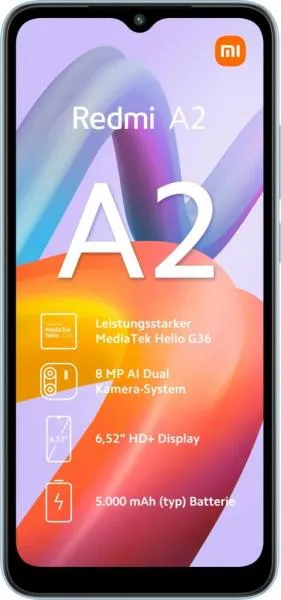
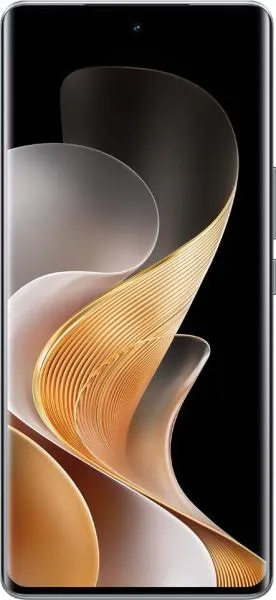
| Feature | Xiaomi Redmi A2 | vivo V40 | Practical Impact |
|---|---|---|---|
| Design | |||
| Dimensions (mm) | 164.9 x 76.8 x 9.1 | 164.2 x 75 x 7.6 | Vivo V40 is slightly thinner and potentially more pocketable. |
| Weight (g) | 192 | 190 | Negligible weight difference. |
| Build Material | Not specified | Not specified | Cannot compare build quality and durability. |
| Display | |||
| Display Type | IPS LCD | AMOLED | Vivo V40 offers significantly better contrast, deeper blacks, and potentially brighter colors due to AMOLED technology. |
| Display Size (inches) | 6.52 | 6.78 | Vivo V40 provides a larger viewing area for media consumption. |
| Resolution | 720 x 1600 | 1260 x 2800 | Vivo V40 has a much sharper and more detailed display (453 ppi vs 269 ppi). |
| Refresh Rate | Not specified | 120Hz | Vivo V40 will provide a smoother and more responsive user experience, especially for gaming and scrolling. |
| HDR | No | HDR10+ | Vivo V40 supports HDR content for a wider dynamic range and more vibrant visuals. |
| Performance | |||
| Chipset | Mediatek Helio G36 (12 nm) | Qualcomm Snapdragon 7 Gen 3 (4 nm) | Vivo V40 offers significantly faster processing power and better efficiency due to a more advanced chipset. |
| CPU | Octa-core (4x2.2 GHz Cortex-A53 & 4x1.7 GHz Cortex-A53) | Octa-core (1x2.63 GHz Cortex-A715 & 3x2.4 GHz Cortex-A715 & 4x1.8 GHz Cortex-A510) | Vivo V40 has a much more powerful CPU architecture, enabling smoother multitasking and faster app loading. |
| RAM | 2GB/3GB/4GB | 12GB | Vivo V40 offers significantly more RAM, enabling seamless multitasking and preventing app closures in the background. |
| Storage | 32GB/64GB | 256GB/512GB | Vivo V40 provides much larger storage capacity for apps, photos, and videos. |
| Camera | |||
| Rear Camera | 8MP Main, 0.3MP Auxiliary | 50MP Main (OIS), 50MP Wide Angle | Vivo V40 boasts significantly higher resolution sensors, potentially capturing more detailed photos and videos. Optical image stabilization (OIS) on the V40 will improve low-light and video stability. |
| Front Camera | 5MP | 50MP | Vivo V40's higher resolution front camera will likely produce better quality selfies. |
| Video Recording | 1080p@30fps | 4K@30fps with OIS, EIS | Vivo V40 can record higher resolution videos with improved stabilization. |
| Battery | |||
| Capacity | 5000 mAh | 5500 mAh | Vivo V40 has a slightly larger battery capacity. |
| Fast Charging | 10W | 80W | Vivo V40 supports significantly faster charging, drastically reducing charging time. |
2. Key Differences Analysis
Xiaomi Redmi A2 Advantages:
- Lower Price: Significantly more affordable.
vivo V40 Advantages:
- Superior Performance: Much faster processor, more RAM, and larger storage.
- Better Display: AMOLED technology, higher resolution, faster refresh rate, HDR support.
- Enhanced Camera System: Higher resolution sensors, optical image stabilization, 4K video recording.
- Faster Charging: 80W fast charging significantly reduces charging times.
- More Features: NFC for contactless payments.
3. User Profiles & Recommendations
Xiaomi Redmi A2: Budget-conscious users who prioritize basic functionality (calling, texting, browsing) and long battery life. Ideal for light users or as a secondary phone.
vivo V40: Users who demand high performance, a premium display, excellent camera capabilities, and fast charging. Suitable for demanding tasks like gaming, content creation, and heavy multitasking.
4. Decision Framework
Key Questions for Buyers:
- What is your budget? The Redmi A2 is significantly cheaper.
- What are your primary smartphone usage patterns? Basic or demanding tasks?
- Which features are most important to you? Performance, display, camera, battery life?
Scenario-Based Recommendations:
- Limited Budget: Redmi A2
- Emphasis on Performance and Features: vivo V40
- Balanced Needs and Value: Consider other mid-range options.
My Choice: vivo V40
While the Redmi A2 offers excellent value for its price, the vivo V40 is the superior device overall. Its significantly faster performance, vastly better display, improved camera system, and fast charging make it a much more compelling option for most users. The higher price is justified by the significant upgrades in almost every aspect. While budget is a crucial factor, the long-term benefits and superior user experience of the V40 outweigh the initial cost difference for me. I prioritize a smooth and responsive experience, a great display for media consumption, and a capable camera. The V40 delivers on all these fronts.
