1. Specifications Comparison
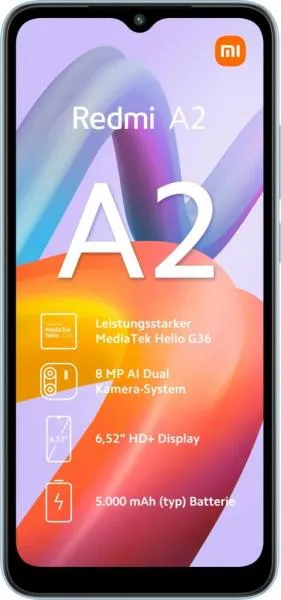
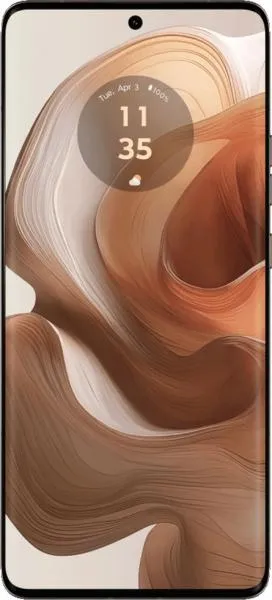
| Feature | Xiaomi Redmi A2 | Motorola Edge 50 Ultra | Practical Impact |
|---|---|---|---|
| Design | |||
| Dimensions (mm) | 164.9 x 76.8 x 9.1 | 161.1 x 72.4 x 8.6 | Edge 50 Ultra is slightly smaller and thinner. |
| Weight (g) | 192 | 197 | Negligible weight difference. |
| Build | Unspecified | Unspecified | Build quality and materials cannot be compared without further information. |
| Display | |||
| Display Type | IPS LCD | P-OLED | Edge 50 Ultra offers deeper blacks, more vibrant colors, and potentially better power efficiency. |
| Size (inches) | 6.52 | 6.7 | Edge 50 Ultra has a slightly larger display. |
| Resolution | 720 x 1600 | 1220 x 2712 | Edge 50 Ultra offers significantly sharper visuals due to much higher resolution. |
| Refresh Rate | Unspecified | 144Hz | Edge 50 Ultra will provide a smoother and more responsive user experience, especially for gaming and scrolling. |
| Peak Brightness | 400 nits (typ) | 2500 nits (peak) | Edge 50 Ultra will be much more visible in direct sunlight. |
| Performance | |||
| Chipset | Mediatek Helio G36 (12 nm) | Qualcomm Snapdragon 8s Gen 3 (4 nm) | Edge 50 Ultra offers significantly faster processing speeds and better performance in demanding tasks. |
| CPU | Octa-core (4x2.2 GHz Cortex-A53 & 4x1.7 GHz Cortex-A53) | Octa-core (1x3.0 GHz Cortex-X4 & 4x2.8 GHz Cortex-A720 & 3x2.0 GHz Cortex-A520) | Edge 50 Ultra utilizes a more modern and powerful CPU architecture. |
| GPU | PowerVR GE8320 | Adreno 735 | Edge 50 Ultra provides significantly better graphics performance for gaming and other visually intensive tasks. |
| RAM | 2/3/4GB | 12/16GB | Edge 50 Ultra has significantly more RAM enabling smoother multitasking and handling of demanding applications. |
| Camera | |||
| Rear Camera | 8MP main, 0.3MP unspecified | 50MP main, 50MP ultrawide, 64MP telephoto | Edge 50 Ultra boasts a vastly superior camera system with higher resolution, versatile lenses, and advanced features. |
| Front Camera | 5MP | 50MP | Edge 50 Ultra offers much higher resolution for selfies. |
| Video Recording | 1080p@30fps | Up to 4K@60fps, 1080p@960fps | Edge 50 Ultra offers higher resolution and slow-motion video recording capabilities. |
| Battery | |||
| Capacity | 5000 mAh | 4500 mAh | Redmi A2 has a larger battery capacity, but real-world battery life depends on various factors. |
| Charging | 10W fast charging | 125W fast charging, 50W wireless charging | Edge 50 Ultra offers significantly faster wired charging and supports wireless charging. |
2. Key Differences Analysis
Xiaomi Redmi A2 Advantages:
- Lower Price: Significantly more affordable.
- Larger Battery: Potentially longer battery life, though real-world usage will vary.
Motorola Edge 50 Ultra Advantages:
- Superior Performance: Significantly faster processor, GPU, and more RAM.
- High-Quality Display: Sharper, smoother, and more vibrant display with higher refresh rate.
- Advanced Camera System: Versatile camera setup with higher resolution and features.
- Faster Charging: Significantly faster wired and wireless charging.
- More Modern Features: NFC, USB Type-C with DisplayPort, latest Android version, and 5G connectivity.
3. User Profiles & Recommendations
Xiaomi Redmi A2: Budget-conscious users who prioritize basic communication, simple tasks, and long battery life. Ideal for:
- Calling and texting
- Basic web browsing
- Social media usage
Motorola Edge 50 Ultra: Users who demand top-tier performance, a premium display, a versatile camera system, and the latest features. Ideal for:
- Demanding mobile gaming
- Content creation (photography and videography)
- Multitasking and productivity
- Users who value a premium experience
4. Decision Framework
Key Questions for Buyers:
- What is your budget? The Redmi A2 is a budget option, while the Edge 50 Ultra is a premium device.
- What are your primary smartphone usage patterns? Basic communication vs. demanding tasks and multimedia consumption.
- Which features are most important to you? Performance, camera, display, battery life, charging speed, etc.
My Choice: Motorola Edge 50 Ultra
While the Redmi A2 offers excellent value for its price, the Motorola Edge 50 Ultra is the clear winner for me. Its superior performance, stunning display, versatile camera system, and fast charging capabilities far outweigh the price difference. The significantly improved user experience across various tasks, from gaming to content creation, justifies the investment. While the Redmi A2 serves a specific niche of budget-conscious users, the Edge 50 Ultra offers a comprehensive and future-proof smartphone experience. The inclusion of features like NFC, 5G, and a modern USB-C port further solidify its position as a more versatile and desirable device.
