1. Specifications Comparison
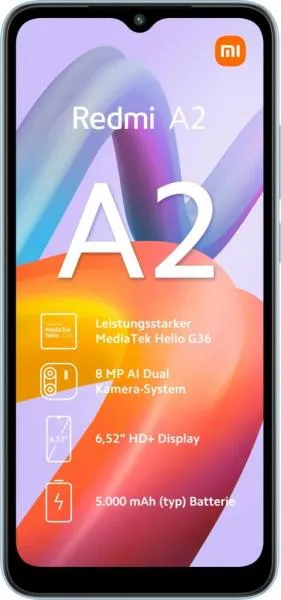
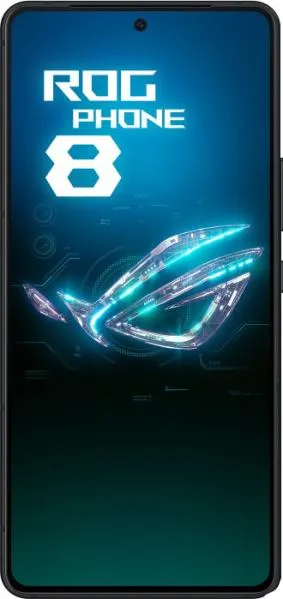
| Feature | Xiaomi Redmi A2 | Asus ROG Phone 8 | Practical Impact |
|---|---|---|---|
| Design | |||
| Dimensions (mm) | 164.9 x 76.8 x 9.1 | 163.8 x 76.8 x 8.9 | ROG Phone 8 is slightly shorter and thinner. Negligible difference in everyday use. |
| Weight (g) | 192 | 225 | Redmi A2 is significantly lighter, reducing hand fatigue during extended use. |
| Build | Unspecified | Unspecified | Material differences could impact durability and premium feel; information is lacking. |
| Display | |||
| Display Type | IPS LCD | LTPO AMOLED | ROG Phone 8 offers superior contrast, vibrant colors, and power efficiency due to AMOLED and LTPO technology. |
| Display Size (inches) | 6.52 | 6.78 | ROG Phone 8 provides a larger viewing area for media consumption and gaming. |
| Resolution | 720 x 1600 | 1080 x 2400 | ROG Phone 8 has a much sharper display, resulting in clearer text and images. |
| Refresh Rate | Unspecified | 165Hz | ROG Phone 8's high refresh rate ensures incredibly smooth animations and responsiveness, especially beneficial for gaming. |
| Peak Brightness | 400 nits (typ) | 2500 nits (peak) | ROG Phone 8 is drastically brighter, ensuring excellent outdoor visibility. |
| Performance | |||
| Chipset | Mediatek Helio G36 (12 nm) | Qualcomm Snapdragon 8 Gen 3 (4 nm) | ROG Phone 8 boasts significantly faster processing power, enabling seamless multitasking and demanding gaming. |
| CPU | Octa-core (4x2.2 GHz Cortex-A53 & 4x1.7 GHz Cortex-A53) | Octa-core (1x3.3 GHz Cortex-X4 & 3x3.2 GHz Cortex-A720 & 2x3.0 GHz Cortex-A720 & 2x2.3 GHz Cortex-A520) | ROG Phone 8's CPU architecture is far more powerful and efficient. |
| GPU | PowerVR GE8320 | Adreno 750 | ROG Phone 8 provides a dramatically better gaming and graphics experience. |
| RAM | 2/3/4GB | 12/16GB | ROG Phone 8 offers substantially more RAM, enabling smoother multitasking and preventing app closures in the background. |
| Camera | |||
| Rear Camera | 8MP Main, 0.3MP Auxiliary | 50MP Main (Sony IMX890), 13MP Wide, 5MP Macro | ROG Phone 8 features a significantly more versatile and higher resolution camera system, capable of capturing detailed photos and videos. |
| Front Camera | 5MP | 32MP | ROG Phone 8 boasts a much higher resolution front camera for superior selfies. |
| Video Recording | 1080p@30fps | Up to 8K@24fps | ROG Phone 8 allows for significantly higher resolution video recording with more advanced features. |
| Battery | |||
| Capacity | 5000 mAh | 5500 mAh | ROG Phone 8 has a slightly larger battery capacity. |
| Charging | 10W | 65W | ROG Phone 8 charges significantly faster. |
2. Key Differences Analysis
Xiaomi Redmi A2 Advantages:
- Lightweight: Significantly lighter, making it more comfortable for extended use.
- Affordability: Positioned in the low price range, offering excellent value for budget-conscious users.
Asus ROG Phone 8 Advantages:
- Superior Performance: Dramatically faster processor, GPU, and ample RAM for demanding tasks and gaming.
- High-Quality Display: AMOLED display with high resolution, refresh rate, and brightness for a premium visual experience.
- Versatile Camera System: High-resolution sensors, multiple lenses, and advanced features for capturing stunning photos and videos.
- Fast Charging: Significantly faster charging speeds minimize downtime.
3. User Profiles & Recommendations
Xiaomi Redmi A2: Ideal for budget-conscious users who prioritize basic communication, web browsing, and light media consumption.
Asus ROG Phone 8: Perfect for gamers, power users, and content creators who demand top-tier performance, a stunning display, and a versatile camera system.
4. Decision Framework
Key Questions for Buyers:
- What is your budget? The Redmi A2 is significantly cheaper.
- What are your primary use cases? Gaming, demanding applications, and media creation favor the ROG Phone 8.
- Do you prioritize portability and comfort? The Redmi A2's lighter weight might be preferable for some.
My Choice: Asus ROG Phone 8
While the Xiaomi Redmi A2 offers excellent value for its price, the Asus ROG Phone 8 is the clear winner for me. Its superior performance, stunning display, versatile camera system, and fast charging capabilities make it a compelling device. The significantly enhanced user experience offered by the ROG Phone 8, especially in demanding tasks and gaming, outweighs the price difference. Although heavier, the performance advantages and future-proofing provided by the ROG Phone 8 make it the superior choice for a long-term investment. The Redmi A2 serves its purpose as a budget device, but the ROG Phone 8 offers a substantial leap in capabilities and overall quality.
