1. Specifications Comparison
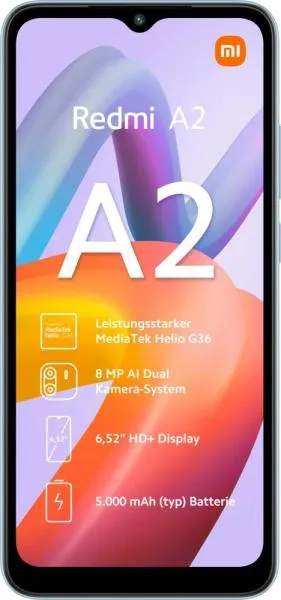
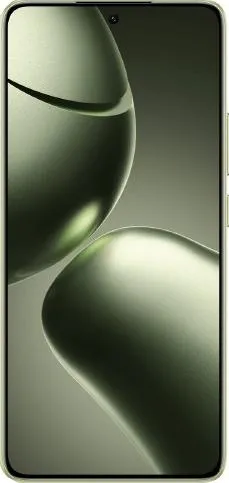
| Feature | Xiaomi Redmi A2+ | Xiaomi 14T | Practical Impact |
|---|---|---|---|
| Design | |||
| Dimensions (mm) | 164.9 x 76.8 x 9.1 | 160.5 x 75.1 x 7.8 | 14T is slightly smaller and thinner, potentially improving one-handed use. |
| Weight (g) | 192 | 193 | Negligible weight difference. |
| Build Materials | Not specified | Not specified | Cannot compare build quality and durability. |
| Display | |||
| Display Type | IPS LCD | AMOLED | 14T offers significantly better contrast, colors, and viewing angles. |
| Display Size (inches) | 6.52 | 6.67 | 14T has a slightly larger display for more immersive content consumption. |
| Resolution | 720 x 1600 | 1220 x 2712 | 14T boasts much sharper visuals due to higher resolution. |
| Refresh Rate | Not specified | 144Hz | 14T will deliver smoother animations and scrolling. A2+ refresh rate is unknown. |
| Peak Brightness | 400 nits (typ) | 4000 nits (peak) | 14T will be significantly more visible in bright sunlight. |
| Performance | |||
| Chipset | Mediatek Helio G36 (12 nm) | Mediatek Dimensity 8300 Ultra (4 nm) | 14T offers drastically improved performance in demanding tasks and gaming due to a more powerful and efficient chipset. |
| CPU | Octa-core (4x2.2 GHz Cortex-A53 & 4x1.7 GHz Cortex-A53) | Octa-core (1x3.35 GHz Cortex-A715 & 3x3.20 GHz Cortex-A715 & 4x2.20 GHz Cortex-A510) | 14T's CPU architecture is significantly more modern and powerful. |
| GPU | PowerVR GE8320 | Mali G615-MC6 | 14T provides significantly better graphics performance for gaming. |
| RAM | 2/3 GB | 12 GB | 14T allows for much more efficient multitasking and smoother operation with significantly more RAM. |
| Storage | 32/64 GB | 256/512 GB | 14T offers vastly more storage for apps, photos, and videos. |
| Camera | |||
| Rear Camera | 8MP main, 0.3MP unspecified | 50MP main (Sony IMX906), 13MP ultrawide, 50MP telephoto | 14T provides a vastly superior camera system with higher resolution, versatile lenses (ultrawide and telephoto), and advanced features. |
| Front Camera | 5MP | 32MP | 14T allows for higher resolution selfies. |
| Video Recording | 1080p@30fps | Up to 4K@60fps with HDR, EIS, 960fps slow-mo | 14T offers significantly better video recording capabilities with higher resolution, frame rates, and stabilization. |
| Battery | |||
| Capacity | 5000 mAh | 5000 mAh | Similar battery capacity. |
| Charging | 10W Fast Charging | 67W Fast Charging | 14T charges significantly faster. |
2. Key Differences Analysis
Xiaomi Redmi A2+ Advantages:
- Lower Price: Significantly more affordable.
Xiaomi 14T Advantages:
- Superior Performance: Much faster processor, GPU, and significantly more RAM.
- Better Display: Higher resolution, refresh rate, AMOLED technology, and peak brightness.
- More Versatile Camera System: Higher resolution sensors, ultrawide and telephoto lenses, and advanced features.
- Faster Charging: 67W fast charging compared to 10W on the A2+.
- More Storage: Larger storage options.
- Newer Android Version: Ships with Android 14, offering newer features and potentially longer software support.
- NFC: Enables contactless payments and other NFC functionalities.
3. User Profiles & Recommendations
Xiaomi Redmi A2+: Budget-conscious users who prioritize basic communication (calls, texts, browsing) and light app usage. Ideal for:
- First-time smartphone users: Simple and easy to learn.
- Users on a tight budget: Offers essential functionality at a low price.
- Secondary phone: For basic communication needs.
Xiaomi 14T: Users who demand high performance, a great display, a versatile camera system, and fast charging. Ideal for:
- Gamers: Powerful hardware for smooth gameplay.
- Content creators: High-quality camera and display for photo and video editing.
- Power users: Handles multitasking and demanding apps with ease.
4. Decision Framework
Key Questions for Buyers:
- What is your budget? The A2+ is significantly cheaper.
- What are your primary use cases? Basic communication vs. demanding tasks, gaming, content creation.
- How important are features like display quality, camera performance, and charging speed? The 14T significantly outperforms the A2+ in these areas.
My Choice: Xiaomi 14T
While the Redmi A2+ offers excellent value for its price, the Xiaomi 14T is the clear winner for me. The significantly improved performance, superior display, versatile camera system, faster charging, NFC functionality, and larger storage justify the higher price. The 14T offers a future-proof device capable of handling demanding tasks and providing a premium user experience. The A2+ feels like a compromise in too many areas, especially considering the long-term usage of a smartphone. The 14T's superior specifications translate to a tangible difference in daily use, making it a much more satisfying device to own in the long run.
