1. Specifications Comparison
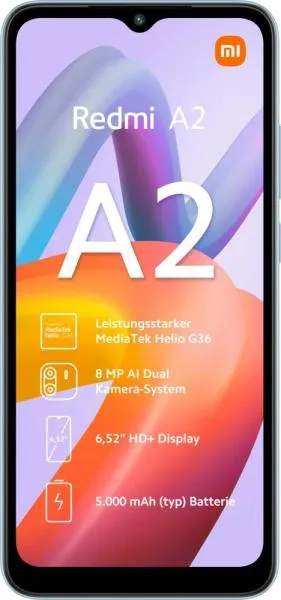
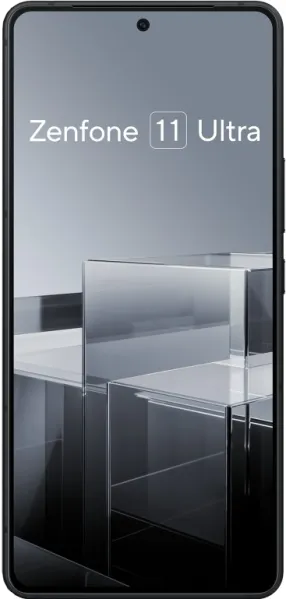
| Feature | Xiaomi Redmi A2+ | Asus Zenfone 11 Ultra | Practical Impact |
|---|---|---|---|
| Design | |||
| Dimensions (mm) | 164.9 x 76.8 x 9.1 | 163.8 x 76.8 x 8.9 | Zenfone 11 Ultra is slightly shorter and thinner. Negligible difference in daily use. |
| Weight (g) | 192 | 224 | Redmi A2+ is noticeably lighter, reducing hand fatigue during extended use. |
| Build Material | Not specified | Not specified | Cannot compare build quality and durability without this information. |
| Display | |||
| Display Type | IPS LCD | LTPO AMOLED | Zenfone 11 Ultra offers significantly better contrast, color accuracy, and power efficiency due to AMOLED technology. |
| Display Size (inches) | 6.52 | 6.78 | Zenfone 11 Ultra provides a larger viewing area for media consumption. |
| Resolution | 720 x 1600 | 1080 x 2400 | Zenfone 11 Ultra has a much sharper display, resulting in clearer text and images. |
| Refresh Rate | Not specified | 144Hz | Zenfone 11 Ultra's high refresh rate delivers smoother animations and scrolling. A major advantage for gaming and general UI responsiveness. |
| Peak Brightness | 400 nits (typ) | 2500 nits (peak) | Zenfone 11 Ultra is significantly brighter, ensuring better visibility outdoors. |
| Performance | |||
| Chipset | Mediatek Helio G36 (12 nm) | Qualcomm Snapdragon 8 Gen 3 (4 nm) | Zenfone 11 Ultra boasts a vastly more powerful processor, enabling seamless multitasking, demanding gaming, and faster app loading. |
| CPU | Octa-core (4x2.2 GHz Cortex-A53 & 4x1.7 GHz Cortex-A53) | Octa-core (1x3.3 GHz Cortex-X4 & 3x3.2 GHz Cortex-A720 & 2x3.0 GHz Cortex-A720 & 2x2.3 GHz Cortex-A520) | Significant performance difference. Zenfone 11 Ultra's CPU architecture is far superior for handling complex tasks. |
| GPU | PowerVR GE8320 | Adreno 750 | Zenfone 11 Ultra's GPU provides a substantial leap in graphics performance, crucial for high-end gaming and graphically intensive applications. |
| RAM | 2GB/3GB | 12GB/16GB | Zenfone 11 Ultra offers significantly more RAM, allowing for smoother multitasking and keeping more apps open in the background. |
| Camera | |||
| Rear Camera | 8MP + 0.3MP | 50MP (Sony IMX890) + 13MP + 32MP | Zenfone 11 Ultra has a significantly more advanced camera system with higher resolution, potentially better low-light performance, and versatile lenses (wide-angle and telephoto). |
| Front Camera | 5MP | 32MP | Zenfone 11 Ultra's front camera boasts much higher resolution for better selfies and video calls. |
| Video Recording | 1080p@30fps | Up to 8K@24fps | Zenfone 11 Ultra offers superior video recording capabilities with much higher resolution and frame rate options. |
| Battery | |||
| Capacity | 5000 mAh | 5500 mAh | Zenfone 11 Ultra has a slightly larger battery capacity, potentially offering longer battery life. However, real-world usage will depend on other factors like display and processor efficiency. |
| Fast Charging | 10W | 65W | Zenfone 11 Ultra supports significantly faster charging, minimizing downtime. |
2. Key Differences Analysis
Xiaomi Redmi A2+ Advantages:
- Lighter weight: More comfortable for extended use.
- Lower price: Significantly more affordable.
Asus Zenfone 11 Ultra Advantages:
- Significantly better performance: Superior CPU, GPU, and RAM for demanding tasks and gaming.
- Superior display: AMOLED technology, higher resolution, refresh rate, and peak brightness.
- More advanced camera system: Higher resolution sensors, versatile lenses, and better video recording capabilities.
- Faster charging: Significantly reduced charging time.
- More modern features: NFC for mobile payments.
Trade-offs:
- The Redmi A2+ sacrifices performance, features, and build quality for affordability.
- The Zenfone 11 Ultra comes at a significantly higher price.
3. User Profiles & Recommendations
Xiaomi Redmi A2+: Budget-conscious users who prioritize basic communication (calls, texts, social media) and light web browsing. Ideal for users who need a simple, affordable phone.
Asus Zenfone 11 Ultra: Users who demand top-tier performance, a premium display, and advanced camera capabilities. Suitable for mobile gamers, content creators, and power users.
4. Decision Framework
Key Questions:
- What is your budget?
- What are your primary smartphone usage patterns?
- Which features are most important to you (performance, camera, display, battery life)?
Scenario-Based Recommendations:
- Limited Budget, Basic Usage: Redmi A2+
- Demanding User, High Budget: Zenfone 11 Ultra
My Choice: Asus Zenfone 11 Ultra
While the Redmi A2+ offers excellent value for its price, the Zenfone 11 Ultra's superior performance, display, camera, and charging capabilities make it the clear winner for me. I prioritize a smooth user experience, high-quality visuals, and the ability to handle demanding tasks. The higher price is justified by the significant upgrade in overall quality and features. The 144Hz refresh rate display alone is a major draw for me, ensuring a fluid and responsive user experience. Additionally, the advanced camera system and faster charging are significant advantages that align with my needs. I am willing to invest more for a device that will provide a significantly better user experience in the long run.
