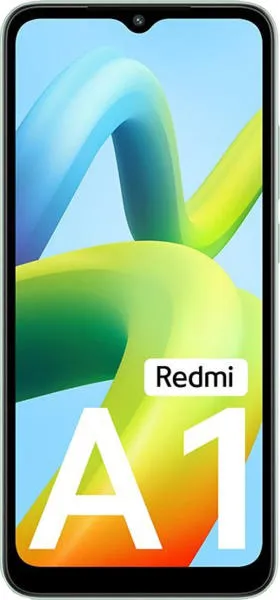
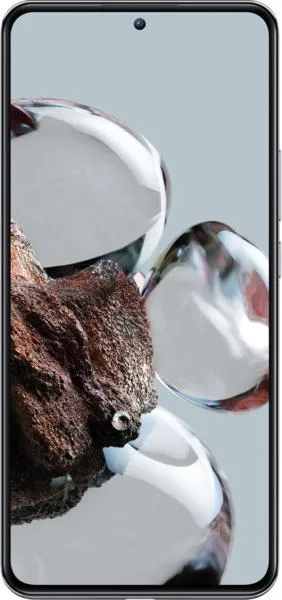
Alright, let's dive into a head-to-head comparison of the Xiaomi Redmi A1+ and the Xiaomi 12T. On paper, they seem worlds apart, and as we break down the specs, you'll see that's absolutely the case. Here's a structured look at these two devices to help you figure out which one fits your needs.
1. Specifications Breakdown
| Feature | Xiaomi Redmi A1+ | Xiaomi 12T | Real-World Implications |
|---|---|---|---|
| Design | |||
| Dimensions | 164.9 × 76.8 × 9.1 mm | 163.1 × 75.9 × 8.6 mm | A1+ is slightly taller and thicker, may feel a bit bulkier in hand; 12T is more compact and streamlined. |
| Weight | 192g | 202g | A1+ is slightly lighter, but both are fairly standard weights; 10g difference unlikely to be a major factor. |
| Build | Unspecified | Corning Gorilla Glass 5 | 12T has superior screen protection and build quality for durability. A1+ does not specify. |
| Display | |||
| Size | 6.52" | 6.67" | 12T has a slightly larger screen, offering a more immersive experience. |
| Resolution | 720x1600 | 1220x2712 | 12T's display is much sharper and clearer (187% more pixels), making text and images look significantly better. |
| Pixel Density | 269 ppi | 446 ppi | 12T provides a significantly sharper display, leading to less visible pixelation and better clarity. |
| Technology | IPS LCD | AMOLED | 12T's AMOLED offers superior contrast, deeper blacks, and more vibrant colors; A1+'s LCD is more basic. |
| Refresh Rate | 60Hz | 120Hz | 12T offers smoother animations and scrolling; A1+ is standard 60Hz, which can feel less fluid for some users. |
| Brightness | 0 nits | 0 nits | Both phones have identical peak brightness, but the quality of the AMOLED panel means the 12T will likely look better with a higher dynamic range. |
| Performance | |||
| Chipset | Mediatek Helio A22 (12nm) | Dimensity 8100 Ultra (5nm) | 12T's chip is significantly faster and more efficient, leading to better performance in all tasks and much better performance in demanding tasks like gaming. |
| Antutu Score | 95,000 | 835,913 | 12T scores roughly 8.8x better and will be much faster and smoother in everyday use. |
| GPU | PowerVR GE8320 | Mali-G610 MC6 | 12T's GPU is significantly more powerful, enabling better gaming and graphics performance |
| RAM | 2 GB | 8 GB | 12T's extra RAM allows for smoother multitasking, while A1+ will likely struggle when several apps are open. |
| Camera | |||
| Standard Camera | 8MP, f/2.0, 1.00 µm | 108MP, f/1.7, 0.64 µm | 12T captures far more detailed images with better low-light performance, and can crop more freely. |
| Selfie Camera | 5MP, f/2.2, 1.12 µm | 20MP, f/2.24, 0.80 µm | 12T's selfie camera takes higher resolution images, while the 1A+’s is suitable for basic video calls and selfies. |
| Wide Angle Lens | None | 8MP, f/2.2 | 12T allows for wider photos with a wide-angle lens, something A1+ does not offer. |
| Macro Lens | None | 2MP, f/2.4 | 12T offers the ability to take closer photos with a macro lens |
| Video | 1080p@30fps | 4K@30fps, 1080p@30/60/120/240fps with HDR | 12T supports 4K video recording and has better video stabilization and multiple frame rates for higher quality vlogs and video. |
| Video Stabilization | No | Yes | 12T has better video stabilization for recording on the move, A1+ has no video stabilization |
| Slow-motion | No, 30 fps | Yes, 960 fps | 12T captures much more detailed slow-motion video, whereas A1+’s slow-motion is basic. |
| DxoMark Score | Not Available | 115 (Overall) | Only 12T has been DxoMark tested and scored 115, showcasing much better image quality. |
| Features | Basic | 4K Video, OIS, Night mode, RAW | 12T's camera has additional options for those looking for more control and versatility. |
| Battery Life | |||
| Capacity | 5000mAh | 5000mAh | Both have the same capacity, and in everyday use the A1+ may last longer with a less power hungry screen and chipset. |
| Charging | 10W | 120W | 12T can charge its battery extremely quickly; A1+ will take significantly longer to charge. |
| Battery Type | Li-Ion | Li-Polymer | Li-Polymer is generally better for longevity |
| Software | |||
| OS | Android 12 | Android 12, upgradeable to 14 | Both phones ship with Android 12, but the 12T has a guaranteed update to Android 14. |
| Connectivity | |||
| WiFi | 802.11n | WiFi 6 | 12T has newer WiFi for better speed and latency; A1+’s WiFi is older. |
| Bluetooth | 5.0 | 5.3 | 12T has a newer Bluetooth version for better connectivity. |
| GPS | Basic | Advanced | 12T offers better GPS with more satellite systems, for higher positional accuracy. |
| Storage & Audio | |||
| Internal Storage | 32 GB | 128/256 GB | 12T has way more internal storage for apps, files, photos and videos. |
| RAM | 2GB | 8GB | 12T has significantly more RAM for better multitasking and gaming |
| Expandable Storage | No | No | Neither phones support external storage. |
| Audio | Basic | Dolby Atmos, Hi-Res, Stereo Speakers | 12T offers a much better sound experience for media consumption. |
| Security | |||
| Fingerprint sensor | Basic | Basic | Both phones provide basic fingerprint security. |
| Sensors | |||
| Sensors | Fingerprint, Accelerometer, Virtual Proximity | Fingerprint, Proximity, Accelerometer, Compass, Gyroscope | 12T has a much more comprehensive sensor suite, making it suitable for augmented reality, gaming and other advanced functions. |
2. Key Insights
Xiaomi Redmi A1+ Strengths:
- Price: Its primary advantage is its very budget-friendly price tag, making it accessible to a broader audience.
- Decent Battery Life: The 5000mAh battery, coupled with less demanding hardware, may offer reasonable battery life for basic usage.
- Lightweight: It is lighter than the 12T.
- Fingerprint Sensor: Despite being a basic model, it has fingerprint sensor.
Xiaomi 12T Strengths:
- Display: A superior AMOLED display with a high refresh rate and resolution for an amazing visual experience.
- Performance: The Dimensity 8100 Ultra chipset provides exceptional processing power for demanding apps and gaming.
- Camera: A very versatile camera system with high-resolution sensors, wide-angle and macro lenses and 4K Video, which takes detailed photos and videos in all scenarios.
- Charging Speed: Extremely fast 120W charging means you'll spend less time tethered to the wall.
- Storage and Memory: The 12T comes with either 128 or 256GB of storage and 8 GB of RAM, a much better configuration for multitasking.
- Audio Quality: Enhanced audio features like Dolby Atmos, Hi-Res Audio, and Stereo Speakers which provides an immersive experience.
- Comprehensive Sensor Suite: The 12T has much more comprehensive sensors, making it suitable for more advanced functions.
- Build quality: The 12T has Corning Gorilla Glass 5 protection.
Trade-offs:
- Redmi A1+: Has a very basic and underpowered processor, low resolution display, a basic camera, and very slow charging speeds. It will not be suitable for demanding use cases.
- Xiaomi 12T: More expensive and also slightly heavier than the Redmi A1+
3. User Profiles and Recommendations
Xiaomi Redmi A1+ User Profile:
- Budget-Conscious Users: Ideal for users who need a basic smartphone for calls, messaging, and light app usage.
- First-Time Smartphone Buyers: A good option for those new to smartphones who don't require advanced features.
- Secondary Device Users: Suitable as a backup or secondary phone.
Xiaomi 12T User Profile:
- Power Users: Perfect for users who need a high-performing device for multitasking, gaming, and intensive applications.
- Photography Enthusiasts: The versatile camera system caters to users who prioritize high-quality photos and videos.
- Media Consumers: The high-quality AMOLED display and powerful audio features make it excellent for watching videos and listening to music.
- Tech Enthusiasts: Those who want a device with the latest features and technology.
4. Buying Decision Framework
Here are three questions to help guide your decision:
- What's your budget? The Redmi A1+ is very affordable, while the 12T is in a higher price bracket.
- What do you primarily use your phone for? If you just need basic functionality, the A1+ is enough, but for gaming or high-quality media consumption, the 12T is far superior.
- How important is camera quality and speed to you? The 12T camera and processor significantly outperform the A1+ in these aspects.
Scenario-Based Recommendations:
- Scenario 1: Basic Use & Budget Constraints - If you need a basic smartphone for calls, messages, and basic apps, and you are on a tight budget, the Redmi A1+ is the right choice.
- Scenario 2: Gaming & Multitasking - If you play graphic-intensive games or do a lot of multitasking, the Xiaomi 12T is the clear winner thanks to its powerful processor and high RAM.
- Scenario 3: Media & Photography - If you watch a lot of videos and take a lot of photos or videos, the Xiaomi 12T is the better option, due to its AMOLED display, great camera and high quality audio.
Final Thoughts
The Redmi A1+ and the Xiaomi 12T cater to very different user needs and budgets. The Redmi A1+ is a basic, budget-friendly option for simple tasks, while the Xiaomi 12T provides a premium experience with top-tier performance and features.
What I Would Choose
Personally, I would choose the Xiaomi 12T. Here’s why:
As someone who values a smooth and responsive user experience, the performance difference is a major factor. The 12T’s chip and 8GB of RAM will handle anything I throw at it, whether it's gaming, video editing, or running multiple apps at once. The AMOLED display is also a huge draw because I consume a lot of media on my phone. Finally, the speed of charging means that battery anxiety is a thing of the past and I won't be tethered to the wall for very long. Although more expensive, the enhanced display, processing power, camera capabilities, and overall premium features of the Xiaomi 12T would justify the investment.
