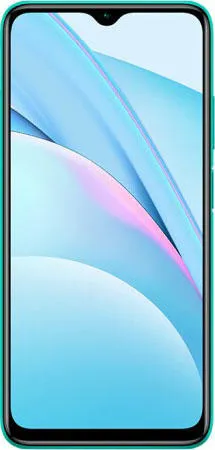
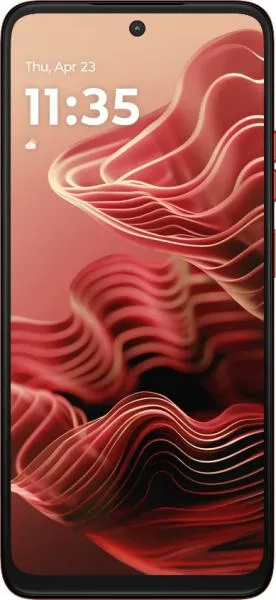
1. Specifications Comparison
Design
| Feature | Xiaomi Redmi 9T | Motorola Moto G35 | Practical Impact |
|---|---|---|---|
| Dimensions | 162.3 × 77.3 × 9.6 mm | 166.3 × 76 × 7.8 mm | The Moto G35 is taller and thinner, making it feel more modern and potentially more comfortable in hand. The Redmi 9T is slightly wider and thicker, giving it a bulkier feel. |
| Weight | 198g | 188g | The Moto G35 is lighter by 10g, which may be noticeable during extended use and make it slightly easier to handle for some users. |
Display
| Feature | Xiaomi Redmi 9T | Motorola Moto G35 | Practical Impact |
|---|---|---|---|
| Size | 6.53" | 6.72" | The Moto G35 has a slightly larger screen, which could be preferable for media consumption and gaming. |
| Resolution | 1080x2340 | 1080x2400 | Both phones have very similar Full HD+ resolution, resulting in similar sharpness for everyday use. |
| PPI | 395 | 392 | The pixel density is virtually identical, meaning no discernible difference in clarity for the average user. |
| Technology | IPS LCD | IPS LCD | Both phones use the same LCD technology, providing similar color accuracy and viewing angles. |
| Refresh Rate | 60Hz | 120Hz | The Moto G35's 120Hz display offers significantly smoother scrolling and animations, enhancing the user experience, especially for gaming and browsing. |
| Brightness | 0 nits | 1000 nits | The Moto G35's significantly higher peak brightness makes it much more readable in outdoor, bright conditions. The Redmi 9T has no listed brightness. |
Performance
| Feature | Xiaomi Redmi 9T | Motorola Moto G35 | Practical Impact |
|---|---|---|---|
| Chipset | Qualcomm Snapdragon 662 (11 nm) | Unisoc T760 (6 nm) | The Unisoc T760 in the Moto G35 uses a more modern 6nm architecture that generally offers better power efficiency and performance compared to the 11nm Snapdragon 662. |
| AnTuTu Score | 174,500 | 423,297 | The Moto G35 has a much higher AnTuTu score, indicating a far superior performance, leading to smoother multitasking and better app loading times. This also implies better gaming performance. |
| GPU | Adreno 610 | Mali-G57 | The Mali-G57 in the Moto G35 generally offers better gaming performance compared to Adreno 610, although the real-world impact can vary depending on the game. |
Camera
| Feature | Xiaomi Redmi 9T | Motorola Moto G35 | Practical Impact |
|---|---|---|---|
| Standard Camera | 48MP, f/1.79, 1/2" sensor | 50MP, f/1.8, 1/2.76" sensor | While both have similar pixel counts, the Redmi 9T has a larger sensor and wider aperture, meaning it could capture slightly more light and detail, especially in low-light environments. |
| Selfie Camera | 8MP, f/2.0 | 16MP, f/2.45 | The Moto G35 has a higher-resolution front camera and may produce more detailed selfies. The Redmi 9T has a wider aperture which may improve low-light performance. |
| Wide Angle Camera | 8MP, f/2.2, 1/4" sensor | 8MP, f/2.2, Sensor model missing | Both devices offer a wide-angle camera, but sensor details for the G35 are missing. Performance is likely similar with comparable specs if not the same. |
| Portrait (Depth) | 2MP, f/2.4 | Not present | The Redmi 9T has a dedicated depth sensor for portrait mode, which should offer better bokeh effects and improved edge detection. The Moto G35 will rely solely on software for portrait effects. |
| Macro Lens | 2MP, f/2.4 | Not present | The Redmi 9T has a dedicated macro camera, allowing closer shots of small objects, a feature missing on the Moto G35. |
| Video | 1080p@30fps | 4K@30fps, 1080p@30fps | The Moto G35 can record in 4K, providing much better detail and clarity for video compared to the 1080p limit on the Redmi 9T. |
Battery
| Feature | Xiaomi Redmi 9T | Motorola Moto G35 | Practical Impact |
|---|---|---|---|
| Capacity | 6000mAh | 5000mAh | The Redmi 9T has a larger battery, which potentially offers significantly longer battery life, assuming similar power efficiency of the software/chipset. |
| Charging | 18W Fast Charging | 18W Fast Charging | Both phones support the same 18W fast charging, offering similar charging times. |
| Features | Reverse charging, 22.5W charger inbox | None | The Redmi 9T can reverse-charge other devices, and comes with a faster charger in the box, while the Moto G35 doesn't offer these features. |
2. Key Differences Analysis
Xiaomi Redmi 9T Advantages:
- Larger Battery: The 6000mAh battery provides potentially longer battery life, which is a major benefit for heavy users who are often away from a charger.
- Dedicated Depth and Macro Cameras: The presence of dedicated depth and macro cameras offers more versatile shooting options compared to the Moto G35, appealing to photography enthusiasts, even in the low-end market.
- Reverse Charging: The ability to charge other devices through reverse charging can be useful in a pinch.
- Faster In-Box Charger: The included 22.5W charger will slightly reduce charging times compared to an 18W adapter.
- Larger Main Camera Sensor: The larger main sensor size in Xiaomi Redmi 9T may offer better low-light photography.
Motorola Moto G35 Advantages:
- Significantly Higher Performance: The Unisoc T760 chipset offers significantly better performance, making the device snappier, smoother, and more responsive for multitasking and gaming.
- Smoother Display: The 120Hz display provides a much more fluid visual experience compared to the Redmi 9T's 60Hz display.
- Much Brighter Display: The Motorola Moto G35's 1000 nit display is much more useable in direct sunlight, which is great for outdoor use.
- Higher Resolution Selfie Camera: The higher megapixel selfie camera can produce better quality selfies.
- 4K Video Recording: The ability to record 4K video offers significantly higher quality and detail for capturing moments and vlogging compared to the 1080p limitation of the Redmi 9T.
- Newer OS: The Motorola G35 runs on a much newer Android version, leading to more up-to-date features, and security updates, and greater app compatibility.
- eSIM Support: The eSIM support allows for digital switching of carriers, which can be convenient for frequent travelers or users with multiple lines.
- Enhanced Audio: Dolby Atmos provides enhanced audio quality.
- Gyroscope Sensor: Provides more complete data for motion sensing and gaming
Trade-offs:
- The Redmi 9T offers a larger battery, but the Moto G35 offers a significantly better display and higher performance.
- The Redmi 9T has dedicated depth and macro cameras, while the Moto G35 has a higher-quality front camera and can record 4K video and provides much better performance.
- The Redmi 9T has a slightly wider main camera aperture and larger sensor but the G35 offers much higher performance.
3. User Profiles & Recommendations
Xiaomi Redmi 9T Ideal Users:
- Heavy Users with Long Battery Life Needs: Users who need their phone to last a full day (or more) without needing to recharge.
- Budget Photographers: Users who value versatile camera options and like experimenting with different types of shots, even if the sensor quality isn't the best.
Users Needing Reverse Charging: Users who need a backup charger for other devices.
Use Cases:
- Long workdays where charging isn't feasible.
- Capturing a variety of photos during travel or social gatherings.
- Occasional charging of Bluetooth accessories.
Motorola Moto G35 Ideal Users:
- Performance-Focused Users: Users who prioritize smooth performance, responsiveness, and quick app loading.
- Multimedia and Gaming Enthusiasts: Users who value smoother visuals, clearer videos, and a great experience for gaming and entertainment.
- Users Needing a Brighter Display: Users that need a device useable in direct sunlight.
- Users that value the latest Software: Those that want up-to-date features, security and app compatability.
Content Creators: Users who plan to use their phone for vlogging or recording videos with better quality.
Use Cases:
- Gaming and heavy app multitasking.
- Watching videos and movies.
- Recording high-quality videos and sharing social media content.
- Navigating and using apps frequently outdoors.
Price-to-Value:
- Xiaomi Redmi 9T: May offer better value for users focused on long battery life and camera versatility on a tight budget.
- Motorola Moto G35: May provide better value for users focused on performance, display quality, and the software experience. The higher price can be justified by overall performance improvements.
4. Decision Framework
Key Questions to Consider:
- What is my priority? Battery life and versatile cameras vs. performance, display quality, and the latest software?
- What kind of user am I? A heavy user needing long battery life vs. someone who prioritizes smooth performance for gaming and media?
- How important is having the newest software? Do I care about Android features, security and app support.
Scenario-Based Recommendations:
- Scenario 1: Long Battery Life is a Must:
- Recommendation: Choose the Xiaomi Redmi 9T. Its larger battery will be beneficial, especially if you frequently find yourself far from an outlet.
- Scenario 2: Performance and Smoothness Matter Most:
- Recommendation: Choose the Motorola Moto G35. Its significantly higher performance, smoother display, and overall user experience will be superior.
- Scenario 3: Need A Decent All-Rounder:
- Recommendation: Consider your budget and whether you favor longer battery life or performance. In most use cases the Motorola G35 will provide a much better user experience at only a slightly higher price point.
What I Would Choose and Why:
Based on the specifications and my preferences, I would choose the Motorola Moto G35. While the Xiaomi Redmi 9T's large battery and versatile camera system are compelling, the significant performance difference with the Unisoc T760 and the drastically smoother 120Hz display of the Moto G35 outweigh the battery and macro/depth camera advantage of the Redmi 9T for me.
My reasons for this decision are:
- Performance is Key: As a power user, smooth multitasking and responsive applications are crucial to my daily use, I do not like lag. The Motorola G35 is considerably faster according to the Antutu scores, and this is a key factor in my choice.
- Display Quality Matters: I spend a lot of time browsing and watching videos on my phone, therefore the 120Hz refresh rate of the Moto G35 is a significant upgrade for a smoother visual experience. The drastically improved brightness is also critical for outdoor usability.
- Future Proofing: The G35's Android 14 provides better app compatibility for the foreseeable future and access to up to date software features. The G35 also provides eSIM for extra flexibility.
- Video Recording: As someone who occasionally records videos, the ability to shoot in 4K is a must.
While I acknowledge the Redmi 9T's battery advantage, I'm willing to trade that for a significantly better daily performance and display experience. The Motorola G35's advantages more closely align with my priorities for a modern, performant smartphone that I would enjoy using more.
