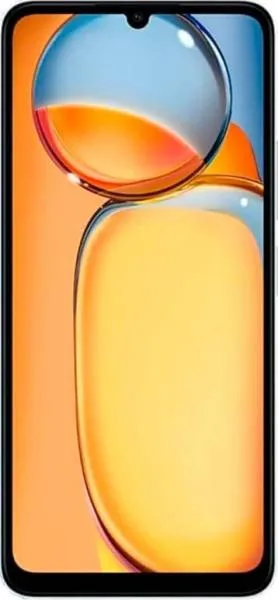
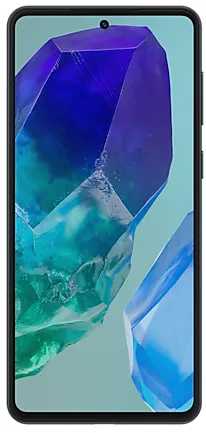
Xiaomi Redmi 13C vs. Samsung Galaxy M55: A Deep Dive
Let's dissect the Redmi 13C and Galaxy M55, translating their spec sheets into real-world experiences to help you choose the right phone.
1. Specifications Breakdown
| Feature | Xiaomi Redmi 13C | Samsung Galaxy M55 | Real-World Implications |
|---|---|---|---|
| Design | |||
| Dimensions | 168x78x8.1mm | 163.9x76.5x7.8mm | M55 slightly smaller and thinner, potentially more comfortable for one-handed use. |
| Weight | 192g | 180g | M55 noticeably lighter, reducing hand fatigue during extended use. |
| Display | |||
| Type | IPS LCD, 90Hz | Super AMOLED+, 120Hz | M55 boasts superior contrast, vibrant colors, and smoother scrolling due to AMOLED technology and higher refresh rate. |
| Size | 6.74" | 6.7" | Negligible size difference; both offer large screens for immersive content consumption. |
| Resolution | 720x1600 | 1080x2400 | M55 significantly sharper due to higher resolution (Full HD+ vs. HD+). Impacts clarity of text and images. |
| Performance | |||
| Chipset | Helio G85 (12nm) | Snapdragon 7 Gen 1 (4nm) | M55 offers significantly better performance and power efficiency due to a more advanced and efficient chipset. |
| CPU | Octa-core | Octa-core | M55's CPU architecture is more modern, resulting in faster processing speeds for demanding tasks and multitasking. |
| GPU | Mali-G52 MC2 | Adreno 644 | M55 provides a much stronger graphical performance, beneficial for gaming and graphically intensive applications. |
| RAM | 6/8GB | 8GB | Both offer ample RAM for smooth multitasking, though the M55's configuration is more future-proof. |
| Storage | 128/256GB | 256GB | Comparable storage options for storing media and files. |
| Camera | |||
| Video Capabilities | 1080p@30fps | 4K@30fps, 1080p@60fps | M55 capable of recording significantly higher resolution video with optical image stabilization (OIS) for smoother footage. |
| Battery Life | |||
| Capacity | 5000mAh | 5000mAh | Comparable battery capacities. Actual battery life will depend on usage patterns and software optimization. |
| Other | |||
| OS | Android 13 | Android 14 | M55 ships with a newer Android version, potentially offering longer software support and newer features. |
| NFC | Yes | Yes | Both support contactless payments and data transfer. |
| Price Range | Low | Medium | Redmi 13C significantly more affordable. |
2. Key Insights
The Redmi 13C prioritizes affordability. Its strengths lie in its large display and long-lasting battery. However, it compromises on performance and display quality. The Helio G85 chipset is sufficient for basic tasks, but struggles with demanding applications and games.
The Galaxy M55 excels in performance, display quality, and camera capabilities. The Snapdragon 7 Gen 1 chipset delivers a fluid user experience, while the Super AMOLED+ display offers vibrant colors and smooth scrolling. The superior camera system allows for high-quality video recording. The trade-off is a higher price point.
3. User Profiles and Recommendations
Redmi 13C: Ideal for budget-conscious users who prioritize basic communication, web browsing, and media consumption. It's a great option for students or individuals seeking a reliable secondary device.
Galaxy M55: Suited for users who demand a smooth and responsive experience for gaming, multitasking, and content creation. The superior display and camera make it a good choice for photography enthusiasts and mobile gamers.
4. Buying Decision Framework
- What is your budget? If price is a primary concern, the Redmi 13C offers excellent value.
- What are your primary use cases? For demanding tasks and multimedia consumption, the Galaxy M55 is the better choice.
- How important is display quality and performance? If a vibrant display and smooth performance are crucial, the M55's AMOLED screen and powerful chipset will be appreciated.
My Choice: Samsung Galaxy M55
While the Redmi 13C offers great value, I would choose the Samsung Galaxy M55. The superior performance, stunning AMOLED display, and more capable camera system are worth the price premium for me. As someone who uses their phone for a variety of tasks, including gaming, photography, and content creation, the M55's powerful hardware and feature set would significantly enhance my daily experience. The smoother 120Hz refresh rate and sharper resolution are crucial for a visually immersive experience. Additionally, the longer software support expected with the newer Android version makes it a more future-proof investment. While the Redmi 13C is a solid budget option, the M55 provides a significantly better overall user experience that aligns with my needs and preferences.
