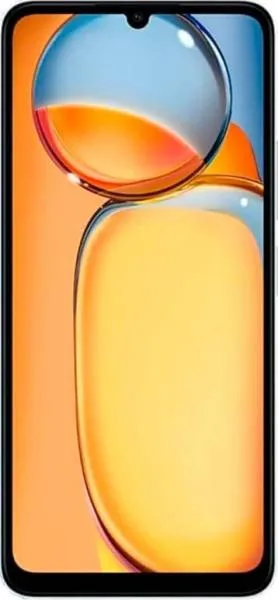
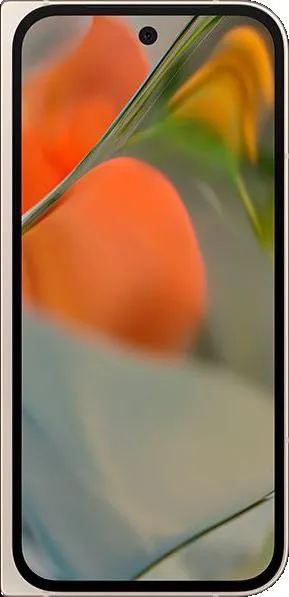
Let's dive into a comparative analysis of the Xiaomi Redmi 13C and the Google Pixel 9 Pro Fold. These two phones occupy very different segments of the market, catering to distinct user needs and budgets.
1. Specifications Breakdown
| Feature | Xiaomi Redmi 13C | Google Pixel 9 Pro Fold | Real-World Implications |
|---|---|---|---|
| Design | |||
| Dimensions | 168x78x8.1mm | 155.2x150.2x5.1mm | Redmi 13C is larger; Pixel Fold is pocketable when folded, expands for a tablet-like experience. |
| Weight | 192g | 257g | Redmi 13C noticeably lighter; Pixel Fold's weight reflects its complex folding mechanism. |
| Foldable | No | Yes | Pixel Fold offers versatile form factor, transforming from phone to mini-tablet. |
| Display | |||
| Size | 6.74" | 8" (unfolded) | Pixel Fold provides significantly more screen real estate when unfolded. |
| Type | IPS LCD, 90Hz | Foldable LTPO OLED, 120Hz | Pixel Fold boasts superior contrast, color accuracy, and smoother animations. |
| Resolution | 720x1600 | 2076x2152 | Pixel Fold offers much sharper visuals due to higher resolution and pixel density. |
| Peak Brightness | 600 nits (HBM) | 2700 nits (peak) | Pixel Fold remains visible in direct sunlight; Redmi 13C's screen can be harder to see outdoors. |
| Performance | |||
| Chipset | Helio G85 (12nm) | Google Tensor G4 (4nm) | Pixel Fold offers significantly faster processing, smoother multitasking, and AI capabilities. |
| CPU | Octa-core | Octa-core | Pixel Fold's Cortex-X4 core delivers a substantial performance advantage. |
| GPU | Mali-G52 MC2 | Mali-G715 MC7 | Pixel Fold handles demanding games and graphics-intensive tasks with ease. |
| RAM | 6GB/8GB | 16GB | Pixel Fold's ample RAM ensures smooth performance even with heavy multitasking. |
| Storage | 128GB/256GB | 512GB | Pixel Fold provides abundant storage for apps, media, and files. |
| Battery Life | |||
| Capacity | 5000 mAh | 4650 mAh | Redmi 13C likely offers longer battery life due to lower power consumption from display and chip. |
| Other | |||
| OS | Android 13 | Android 14 | Pixel Fold comes with the latest Android version and longer software support guarantee. |
| Price Range | Low | High | Redmi 13C targets budget-conscious buyers; Pixel Fold is a premium flagship device. |
2. Key Insights
The Redmi 13C is a budget-friendly phone prioritizing affordability and essential functionality. Its strengths lie in its long battery life, large display size (for its price point), and inclusion of features like NFC. However, it compromises on processing power, display quality, and camera capabilities.
The Pixel 9 Pro Fold, on the other hand, is a premium flagship showcasing cutting-edge technology. Its foldable design, stunning display, powerful processor, and advanced camera system position it as a productivity and entertainment powerhouse. The trade-offs are its higher price and potentially shorter battery life compared to the Redmi 13C.
3. User Profiles and Recommendations
The Redmi 13C suits users seeking a basic smartphone for everyday communication, web browsing, and light media consumption. It's ideal for budget-conscious individuals, students, or as a secondary device.
The Pixel 9 Pro Fold caters to power users, tech enthusiasts, and professionals who value top-tier performance, a versatile form factor, and a premium user experience. It excels in multitasking, content creation, gaming, and immersive media consumption.
4. Buying Decision Framework
- What is your budget? The Redmi 13C is significantly more affordable.
- What are your primary use cases? Basic tasks vs. demanding applications and multitasking.
- Do you prioritize portability and a unique form factor? The Pixel Fold's foldable design offers a distinct advantage.
My Choice:
While I appreciate the Redmi 13C's value proposition, I would choose the Google Pixel 9 Pro Fold. As a tech journalist, I need a device that can handle demanding tasks, multitask seamlessly, and offer a cutting-edge user experience. The foldable form factor intrigues me, offering the potential to transform my workflow and content consumption habits. The superior display, powerful processor, and advanced camera system are essential for my work. While the price is a significant factor, the Pixel Fold's capabilities and innovative design align better with my needs and priorities. I'm willing to invest in a device that can enhance my productivity and provide a glimpse into the future of mobile technology.
