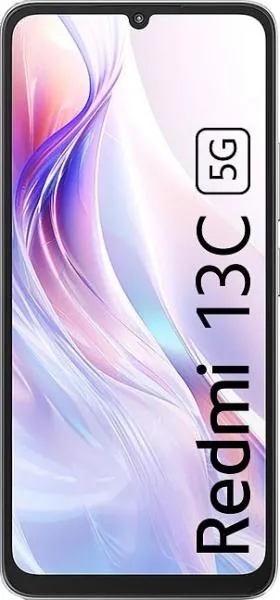
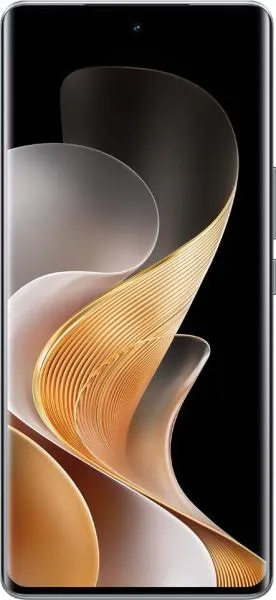
Xiaomi Redmi 13C 5G vs. vivo V40: A Deep Dive
Let's dissect these two mid-range contenders, the Xiaomi Redmi 13C 5G and the vivo V40, going beyond the spec sheet to understand what they offer in real-world usage.
1. Specifications Breakdown
| Feature | Xiaomi Redmi 13C 5G | vivo V40 | Real-World Implications |
|---|---|---|---|
| Design | |||
| Dimensions | 168x78x8.1mm | 164.2x75x7.6mm | vivo V40 is slightly more compact and thinner. |
| Weight | 192g | 190g | Negligible weight difference in hand. |
| Display | |||
| Type | IPS LCD, 90Hz | AMOLED, 120Hz | vivo V40 offers richer colors, deeper blacks, and smoother scrolling. |
| Size | 6.74" | 6.78" | Virtually identical screen real estate. |
| Resolution | 720x1600 | 1260x2800 | Significantly sharper and more detailed visuals on the vivo V40. |
| Peak Brightness | 600 nits (HBM) | 4500 nits (peak) | vivo V40 boasts exceptional outdoor visibility. Redmi 13C might struggle in bright sunlight. |
| Performance | |||
| Chipset | Dimensity 6100+ | Snapdragon 7 Gen 3 | vivo V40's processor is newer and more powerful, leading to smoother multitasking and gaming. |
| CPU | Octa-core (2x2.2 GHz Cortex-A76 & 6x2.0 GHz Cortex-A55) | Octa-core (1x2.63 GHz Cortex-A715 & 3x2.4 GHz Cortex-A715 & 4x1.8 GHz Cortex-A510) | vivo V40 boasts superior processing power for demanding tasks. |
| GPU | Mali-G57 MC2 | Adreno 720 | vivo V40 offers significantly better graphics performance for gaming. |
| RAM | 6GB | 12GB | Double the RAM on the vivo V40 enables superior multitasking and app switching. |
| Storage | 128GB | 512GB | Much larger storage capacity on the vivo V40 for apps, media, and files. |
| Other | |||
| Battery | 5000mAh | 5500mAh | Slightly larger battery in the vivo V40, potentially translating to longer usage time. |
| OS | Android 13 | Android 14 | vivo V40 comes with the latest Android version, offering newer features and potentially longer software support. |
| NFC | No | Yes | vivo V40 supports contactless payments and data transfer. |
2. Key Insights
The vivo V40 clearly outperforms the Redmi 13C 5G in almost every aspect. Its AMOLED display with a 120Hz refresh rate delivers a vastly superior visual experience. The Snapdragon 7 Gen 3 chip, coupled with 12GB of RAM, ensures smooth performance even with demanding tasks. The larger battery, inclusion of NFC, and under-display fingerprint sensor further solidify its advantage.
The Redmi 13C 5G's main strength lies in its affordability. It offers 5G connectivity and decent performance for basic tasks but compromises on display quality, processing power, and features.
3. User Profiles and Recommendations
Redmi 13C 5G: Budget-conscious users who prioritize 5G connectivity and require a large screen for media consumption. Suitable for light usage scenarios like browsing, social media, and casual gaming.
vivo V40: Users seeking a premium mid-range experience with a stunning display, powerful performance, ample storage, and the latest features. Ideal for power users, mobile gamers, and content creators.
4. Buying Decision Framework
- What's your budget? The Redmi 13C 5G is significantly cheaper.
- What are your primary use cases? For basic tasks, the Redmi 13C 5G suffices. For demanding tasks and gaming, the vivo V40 is necessary.
- How important is display quality? The vivo V40's AMOLED display is a major differentiator.
My Choice: vivo V40
While the Redmi 13C 5G offers excellent value for its price, I'd choose the vivo V40. The superior display, significantly improved performance, larger storage, NFC functionality, and the latest Android OS outweigh the price difference for me. As someone who values a smooth and responsive user experience with high-quality visuals, the vivo V40 aligns better with my needs. The future-proofing offered by the more powerful processor, greater RAM, and larger storage also makes it a more compelling long-term investment.
