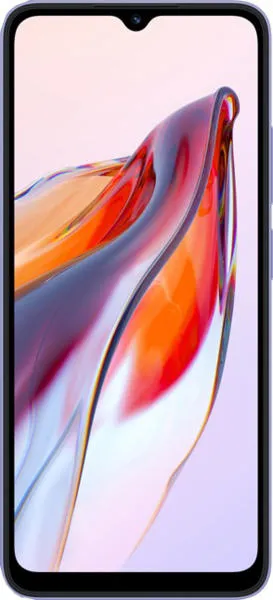
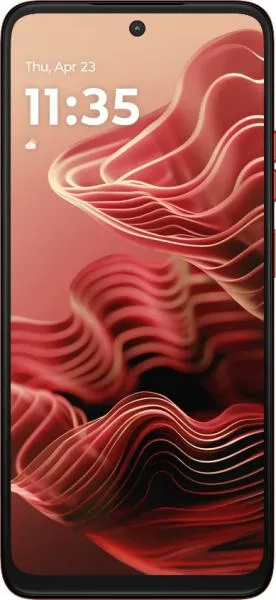
Let's dive into a comparative analysis of the Xiaomi Redmi 12C and the Motorola Moto G35, dissecting their technical specifications and translating them into real-world implications for you.
1. Specifications Breakdown
| Feature | Xiaomi Redmi 12C | Motorola Moto G35 | Real-World Implications |
|---|---|---|---|
| Design | |||
| Dimensions (mm) | 168.8 x 76.4 x 8.8 | 166.3 x 76 x 7.8 | Moto G35 is slightly more compact. |
| Weight (g) | 192 | 188 | Negligible difference in weight. |
| Display | |||
| Size (inches) | 6.71 | 6.72 | Virtually identical screen sizes. |
| Resolution (px) | 720 x 1650 | 1080 x 2400 | Moto G35 boasts significantly sharper visuals due to higher resolution (HD+ vs. FHD+). |
| Refresh Rate (Hz) | 60 (Standard) | 120 | Moto G35's 120Hz display delivers smoother animations and scrolling. |
| Display Type | IPS LCD | IPS LCD | Both offer good color reproduction and viewing angles, but Moto G35's higher brightness is advantageous. |
| Performance | |||
| Chipset | Helio G85 | Unisoc T760 | Moto G35's Unisoc T760 generally offers better CPU and GPU performance. |
| CPU | Octa-core (2x2.0 GHz Cortex-A75 & 6x1.8 GHz Cortex-A55) | Octa-core (1x2.2 GHz Cortex-A76 & 3x Cortex-A76 & 4x Cortex-A55) | Moto G35's CPU architecture is newer and more powerful |
| RAM (GB) | 3/4/6 | 8 | Moto G35 offers more RAM for smoother multitasking. |
| OS | Android 12 | Android 14 | Moto G35 comes with a more recent Android version, offering potential feature and security advantages. |
| Camera | |||
| Main Camera (MP) | 50 | 50 | Comparable main camera resolution. |
| Video | 1080p@30fps | 4K@30fps | Moto G35 can record video at a much higher resolution. |
| Battery Life | |||
| Capacity (mAh) | 5000 | 5000 | Identical battery capacities, expected similar longevity depending on usage. |
| USB Type | microUSB 2.0 | USB Type-C 2.0 | Moto G35 uses the more modern and versatile USB-C port. |
2. Key Insights
- Display: The Moto G35's higher resolution and faster refresh rate deliver a noticeably superior visual experience. This translates to sharper text, smoother scrolling, and more responsive gaming.
- Performance: The Moto G35, with its more powerful Unisoc T760 processor and more RAM, handles demanding tasks and multitasking with greater ease. The Redmi 12C, while capable for everyday use, might show some lag with intensive applications.
- Camera: While both phones have a 50MP main camera, the Moto G35's ability to record 4K video is a significant advantage for content creators.
- Future-Proofing: The Moto G35, running on Android 14, is likely to receive software updates for a longer period, ensuring access to the latest features and security patches.
- Price: The Redmi 12C positions itself in the "low price" segment, while the Moto G35 sits in the "medium price" range. This difference reflects the superior specifications of the Moto G35.
3. User Profiles and Recommendations
- Redmi 12C: Best suited for budget-conscious users who prioritize basic smartphone functionality—calling, texting, social media browsing, and light gaming. It's a great option for those seeking an affordable device without demanding high performance.
- Moto G35: Ideal for users who value a smoother, more responsive experience with multimedia consumption, gaming, and multitasking. The superior display and performance, along with longer software support, make it a worthwhile investment for those seeking a more future-proof device.
4. Buying Decision Framework
- What is your budget? If price is your primary concern, the Redmi 12C offers excellent value. If you have more flexibility, the Moto G35's enhanced features justify the higher price.
- How important is display quality? If you consume a lot of video content or enjoy mobile gaming, the Moto G35's sharper display and higher refresh rate are highly beneficial.
- What is your typical usage pattern? For light users, the Redmi 12C is sufficient. For power users who demand smooth performance, the Moto G35 is the better choice.
My Choice: I would choose the Motorola Moto G35. While the Redmi 12C is a solid budget option, the Moto G35's superior display, performance, more recent OS, USB-C port, and future-proofing through software updates are compelling advantages for me. I value a smooth and responsive user experience, and I'm willing to invest a bit more for a device that can keep up with my needs for a longer period. The ability to record 4K video is a bonus that aligns with my personal preference for capturing high-quality memories. Ultimately, the Moto G35 offers a more well-rounded package that justifies the price difference in my opinion.
