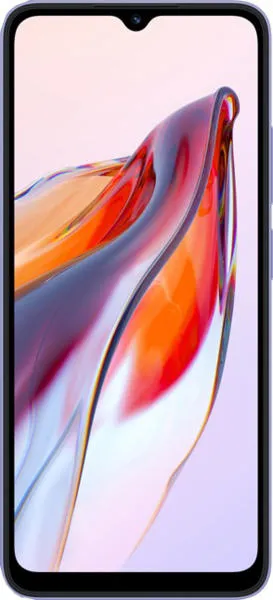
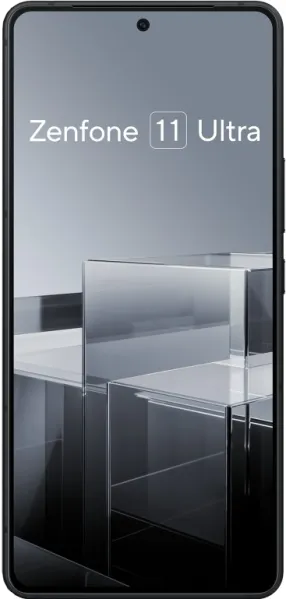
Xiaomi Redmi 12C vs. Asus Zenfone 11 Ultra: A Deep Dive
Let's dissect the Xiaomi Redmi 12C and the Asus Zenfone 11 Ultra, two phones targeting distinctly different user segments. We'll go beyond the spec sheet to understand what these differences mean for you.
1. Specifications Breakdown
| Feature | Xiaomi Redmi 12C | Asus Zenfone 11 Ultra | Real-World Implications |
|---|---|---|---|
| Design | |||
| Dimensions (mm) | 168.8 x 76.4 x 8.8 | 163.8 x 76.8 x 8.9 | Zenfone 11 Ultra slightly more compact |
| Weight (g) | 192 | 224 | Redmi 12C noticeably lighter for one-handed use |
| Build Materials | Plastic | Glass/Metal (Likely) | Zenfone 11 Ultra likely more premium feel, Redmi 12C more durable against drops |
| Display | |||
| Size (inches) | 6.71 | 6.78 | Negligible difference in screen real estate |
| Resolution | 720 x 1650 | 1080 x 2400 | Zenfone 11 Ultra significantly sharper, crisper visuals |
| Display Type | IPS LCD | LTPO AMOLED | Zenfone 11 Ultra: deeper blacks, vibrant colors, power-efficient variable refresh rate up to 144Hz |
| Refresh Rate | Standard(60Hz) | Up to 144Hz | Zenfone 11 Ultra: incredibly smooth scrolling and animations |
| Performance | |||
| Chipset | Helio G85 | Snapdragon 8 Gen 3 | Zenfone 11 Ultra: vastly superior processing power for demanding tasks and gaming |
| CPU | Octa-core (2x2.0 GHz Cortex-A75 & 6x1.8 GHz Cortex-A55) | Octa-core (1x3.3 GHz Cortex-X4 & 3x3.2 GHz Cortex-A720 & 2x3.0 GHz Cortex-A720 & 2x2.3 GHz Cortex-A520) | Zenfone 11 Ultra: much faster and more efficient CPU performance |
| RAM | 3/4/6GB | 12/16GB | Zenfone 11 Ultra: effortless multitasking and app switching |
| Storage | 32/64/128GB | 256/512GB | Zenfone 11 Ultra: ample storage for power users |
| Camera | |||
| Main Camera | 50MP | 50MP (Sony IMX890) | Zenfone 11 Ultra: likely better low-light performance and image quality due to superior sensor and processing |
| Additional Cameras | Macro, Selfie | Wide, Telephoto, Selfie | Zenfone 11 Ultra: versatile lens options for different shooting scenarios |
| Video | 1080p@30fps | Up to 8K@24fps | Zenfone 11 Ultra: significantly higher resolution video recording capabilities |
| Battery Life | |||
| Capacity | 5000 mAh | 5500 mAh | Zenfone 11 Ultra: potentially longer battery life due to larger battery and more efficient processor, though higher resolution display will consume more power. Real world usage will vary. |
| Charging | microUSB | USB-C | Zenfone 11 Ultra: faster charging and more modern connector |
2. Key Insights
The Redmi 12C is a budget-friendly device prioritizing affordability. It's adequate for basic tasks like calling, texting, web browsing, and social media.
The Zenfone 11 Ultra, on the other hand, is a flagship powerhouse designed for demanding users and enthusiasts. Its cutting-edge processor, stunning display, versatile camera system, and ample storage cater to power users, gamers, and content creators.
3. User Profiles and Recommendations
Redmi 12C: Suitable for budget-conscious users, students, or as a secondary device. Best for those who prioritize essential functionality over high performance.
Zenfone 11 Ultra: Ideal for tech enthusiasts, gamers, content creators, and anyone who demands top-tier performance and features. Perfect for those who push their phones to the limits and value a premium experience.
4. Buying Decision Framework
- What's your budget? The Redmi 12C is significantly cheaper, while the Zenfone 11 Ultra commands a flagship price.
- What are your primary phone usage patterns? Basic tasks vs. demanding applications and gaming.
- How important are camera quality and display resolution to you? The Zenfone 11 Ultra offers a significant upgrade in both areas.
My Choice: Asus Zenfone 11 Ultra
While the Redmi 12C serves its purpose as an entry-level device, I would choose the Zenfone 11 Ultra. As a tech journalist, I need a phone that can handle heavy multitasking, run demanding apps flawlessly, capture high-quality photos and videos, and offer a premium user experience. The Zenfone 11 Ultra's powerful Snapdragon 8 Gen 3 processor, stunning 144Hz AMOLED display, versatile camera system, and ample storage align perfectly with my needs. While the price is higher, the significant performance leap, future-proofing due to software update commitment, and overall enhanced experience justify the investment for my professional and personal use. The smoother display, faster charging, and vastly superior camera capabilities are features I use daily and greatly enhance my workflow and leisure activities.
