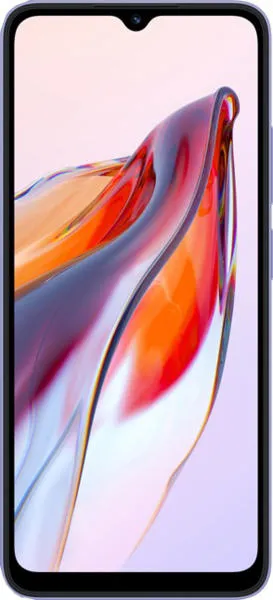
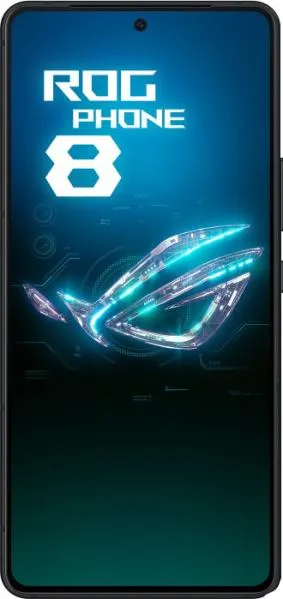
Xiaomi Redmi 12C vs. Asus ROG Phone 8: A Deep Dive for the Discerning User
Let's dissect the Xiaomi Redmi 12C and the Asus ROG Phone 8, two phones occupying vastly different corners of the mobile landscape. This isn't just about specs; it's about understanding how those numbers translate into real-world experiences for you, the user.
1. Specifications Breakdown
| Feature | Xiaomi Redmi 12C | Asus ROG Phone 8 | Real-World Implications | Category |
|---|---|---|---|---|
| Price Range | Low | Medium | Significant cost difference; Redmi 12C prioritizes affordability. | Design |
| Dimensions | 168.8 x 76.4 x 8.8 mm | 163.8 x 76.8 x 8.9 mm | ROG Phone 8 slightly more compact despite larger screen. | Design |
| Weight | 192g | 225g | ROG Phone 8 noticeably heavier, potentially impacting one-handed use. | Design |
| Display Type | IPS LCD | LTPO AMOLED | Vast difference in visual quality, brightness, and responsiveness. | Display |
| Display Size | 6.71" | 6.78" | Negligible difference in screen real estate. | Display |
| Resolution | 720 x 1650 | 1080 x 2440 | ROG Phone 8 offers significantly sharper visuals. | Display |
| Refresh Rate | - | 165Hz | Ultra-smooth animations and scrolling on the ROG Phone 8. | Display |
| Chipset | Helio G85 | Snapdragon 8 Gen 3 | Massive performance gap; ROG Phone 8 excels in demanding tasks. | Performance |
| CPU | Octa-core 2.0 GHz | Octa-core 3.3 GHz | ROG Phone 8 boasts superior processing power and speed. | Performance |
| GPU | Mali-G52 MC2 | Adreno 750 | ROG Phone 8 delivers a dramatically better gaming and graphics experience. | Performance |
| RAM | 3/4/6GB | 12/16GB | ROG Phone 8 equipped for heavy multitasking and gaming. | Performance |
| Main Camera | 50MP | 50MP (Sony IMX890) | Sensor quality likely differs; ROG Phone 8 potentially better in low light. | Camera |
| Video | 1080p@30fps | Up to 8K@24fps | ROG Phone 8 offers vastly superior video recording capabilities. | Camera |
| Battery | 5000mAh | 5500mAh | Similar battery capacity, but real-world usage will vary due to display and processor differences. | Battery Life |
2. Key Insights
The Redmi 12C is a budget-friendly device aimed at essential tasks. Its strengths lie in affordability and long battery life thanks to its power-efficient processor and lower resolution display. However, it compromises on performance, display quality, and camera features.
The ROG Phone 8 is a gaming powerhouse built for peak performance. Its cutting-edge processor, high refresh rate AMOLED display, and advanced cooling system deliver an unparalleled mobile gaming experience. The superior camera system and ample RAM further solidify its position as a premium device. The trade-off is a higher price point and potentially shorter battery life under heavy load.
3. User Profiles and Recommendations
Redmi 12C: Ideal for budget-conscious users who prioritize basic communication, social media browsing, and light content consumption. It's a great option for students, seniors, or anyone seeking a reliable phone without breaking the bank.
ROG Phone 8: Perfect for mobile gamers, power users, and content creators who demand top-tier performance, a stunning display, and advanced camera features. It's an investment for those who push their devices to the limit.
4. Buying Decision Framework
- What's your budget? The Redmi 12C is significantly cheaper, while the ROG Phone 8 commands a premium price.
- What are your primary use cases? Basic tasks vs. demanding gaming and content creation.
- How important are display quality and camera performance? The ROG Phone 8 significantly outperforms the Redmi 12C in these areas.
My Choice: Asus ROG Phone 8
While the Redmi 12C offers excellent value for its price, I would choose the Asus ROG Phone 8. As a tech enthusiast and someone who appreciates cutting-edge performance, the ROG Phone 8's powerful hardware, stunning display, and advanced features are incredibly appealing. I value a smooth and responsive user experience, especially for gaming and multitasking, and the ROG Phone 8 delivers precisely that. While the price is higher, the significant leap in performance and overall quality justifies the investment for my needs. The ability to future-proof my device with the latest technology is also a crucial factor in my decision. I understand the price difference might be significant for some, but for me, the long-term benefits of owning a high-performance device outweigh the initial cost.
