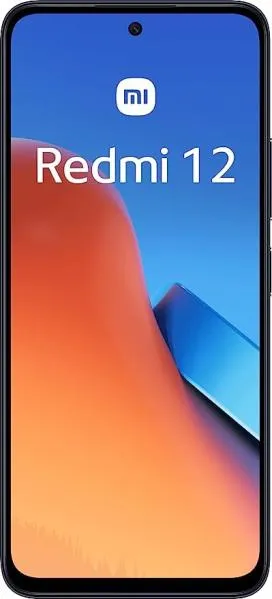
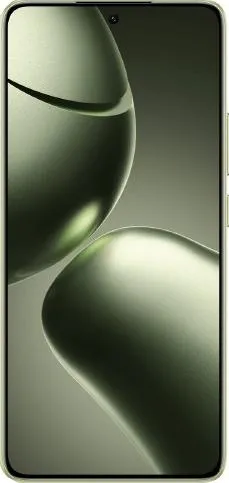
1. Specifications Comparison
| Feature | Xiaomi Redmi 12 | Xiaomi 14T | Practical Impact |
|---|---|---|---|
| Design | |||
| Dimensions (mm) | 168.6 x 76.3 x 8.2 | 160.5 x 75.1 x 7.8 | 14T is slightly smaller and thinner, potentially improving one-handed usability. |
| Weight (g) | 198.5 | 193 | Negligible weight difference. |
| Build | Not specified | Not specified | Build quality and materials impact durability and premium feel; information lacking here. |
| Display | |||
| Display Type | IPS LCD | AMOLED | AMOLED offers deeper blacks, more vibrant colors, and better power efficiency in dark mode. |
| Display Size (inches) | 6.79 | 6.67 | Redmi 12 has a slightly larger screen, but the difference is minimal. |
| Resolution | 1080 x 2460 | 1220 x 2712 | 14T has a sharper display with higher pixel density (446 ppi vs 396 ppi), resulting in clearer text and images. |
| Refresh Rate (Hz) | 90 | 144 | 14T's higher refresh rate provides smoother scrolling and animations, especially noticeable in gaming and fast-paced content. |
| Peak Brightness (nits) | 550 | 4000 | 14T's significantly higher peak brightness ensures better visibility in direct sunlight. |
| HDR | No | Dolby Vision, HDR10+ | 14T supports HDR standards, providing a wider dynamic range and more realistic visuals in compatible content. |
| Performance | |||
| Chipset | Mediatek Helio G88 (12nm) | Mediatek Dimensity 8300 Ultra (4nm) | 14T's Dimensity 8300 Ultra is significantly more powerful, enabling smoother multitasking, faster app loading, and better gaming performance due to the smaller manufacturing process (4nm). |
| CPU | Octa-core (2x2.0 GHz Cortex-A75 & 6x1.8 GHz Cortex-A55) | Octa-core (1x3.35 GHz Cortex-A715 & 3x3.20 GHz Cortex-A715 & 4x2.20 GHz Cortex-A510) | 14T's CPU architecture is more modern and powerful, leading to better overall performance. |
| GPU | Mali-G52 MC2 | Mali G615-MC6 | 14T boasts a superior GPU, resulting in improved graphics performance for gaming and demanding applications. |
| RAM | 4/8 GB | 12 GB | 14T offers substantially more RAM, enabling better multitasking and preventing apps from closing in the background. |
| Camera | |||
| Main Camera | 50MP | 50MP (Sony IMX906) | Both have 50MP sensors, but the 14T uses the superior Sony IMX906 sensor, likely resulting in better image quality. |
| Ultrawide | 8MP | 13MP | 14T offers a higher resolution ultrawide camera. |
| Telephoto | None | 50MP | 14T features a dedicated telephoto lens for optical zoom, absent in the Redmi 12. |
| Video Recording | 1080p@30fps | Up to 4K@60fps with HDR, EIS | 14T offers significantly better video recording capabilities with higher resolution, frame rates, and HDR support along with Electronic Image Stabilisation (EIS). |
| Battery | |||
| Capacity (mAh) | 5000 | 5000 | Similar battery capacities. Actual battery life depends on usage and optimization. |
| Charging Speed | Not specified | Not specified | Charging speed significantly impacts usability; information is lacking. |
2. Key Differences Analysis
Xiaomi Redmi 12 Advantages:
- Lower Price: Significantly more affordable.
Xiaomi 14T Advantages:
- Significantly improved performance: Faster processor, more RAM, and better GPU.
- Superior Display: AMOLED with higher resolution, refresh rate, and HDR support.
- More versatile camera system: Includes a telephoto lens and superior sensors, supporting higher resolution video recording.
- More advanced connectivity: Supports Wi-Fi 6E, Bluetooth 5.4, and 5G network bands.
Trade-offs:
- Price: The 14T is considerably more expensive.
3. User Profiles & Recommendations
Xiaomi Redmi 12: Budget-conscious users who prioritize basic functionality: calling, texting, social media, and light web browsing.
Xiaomi 14T: Users who demand high performance for gaming, demanding applications, content creation, and multimedia consumption. Those who value a premium display and camera system.
4. Decision Framework
Key Questions for Buyers:
- What is your budget? The Redmi 12 is a budget option, while the 14T is a mid-range device.
- What are your primary use cases? Basic tasks vs. demanding applications/gaming/multimedia.
- How important is display and camera quality? The 14T offers a significant upgrade in both areas.
Scenario-based recommendations:
- Limited budget, basic usage: Redmi 12
- Student needing performance for some tasks and multimedia: Redmi 12 with higher RAM and storage if budget allows.
- Gamer or power user: Xiaomi 14T
- Photographer/Videographer: Xiaomi 14T
My Choice: Xiaomi 14T
While the Redmi 12 offers excellent value for its price, the Xiaomi 14T is the clear winner for me. The superior performance, stunning AMOLED display with 144Hz refresh rate, versatile camera system with a dedicated telephoto lens, and future-proof connectivity (5G, Wi-Fi 6E) are compelling. I prioritize a smooth and responsive user experience, high-quality visuals, and the ability to handle demanding tasks and games. The price difference is significant, but the 14T offers a substantial upgrade in almost every aspect, making it a worthwhile investment for my needs.
