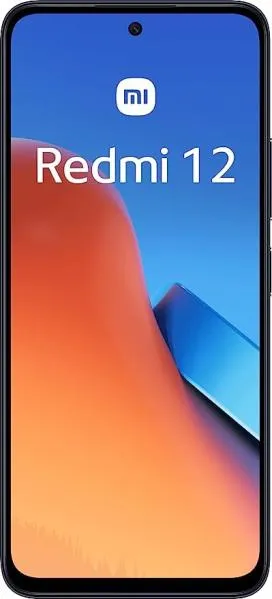

1. Specifications Comparison
| Feature | Xiaomi Redmi 12 | Xiaomi 14 | Practical Impact |
|---|---|---|---|
| Design | |||
| Dimensions (mm) | 168.6 x 76.3 x 8.2 | 152.8 x 71.5 x 8.2 | Xiaomi 14 is significantly more compact and easier to handle one-handed. |
| Weight (g) | 198.5 | 188 | Redmi 12 is noticeably heavier. |
| Build | Unspecified | Unspecified | Build quality impact cannot be assessed without material information. |
| Display | |||
| Display Type | IPS LCD | LTPO OLED | Xiaomi 14 offers superior contrast, deeper blacks, and potentially better power efficiency due to LTPO. |
| Display Size (inches) | 6.79 | 6.36 | Redmi 12 has a larger screen for media consumption, while Xiaomi 14 offers a more manageable size. |
| Resolution | 1080 x 2460 | 1200 x 2670 | Xiaomi 14 boasts sharper visuals due to higher pixel density (460 ppi vs 396 ppi). |
| Refresh Rate (Hz) | 90 | 120 | Xiaomi 14 provides smoother scrolling and animations. |
| Peak Brightness (nits) | 550 | 3000 | Xiaomi 14 is significantly brighter, ensuring better outdoor visibility. |
| Performance | |||
| Chipset | Mediatek Helio G88 (12nm) | Snapdragon 8 Gen 3 (4nm) | Xiaomi 14 will deliver significantly faster performance, smoother multitasking, and better gaming capabilities due to a much more powerful chipset. |
| CPU | Octa-core (2x2.0 GHz A75 & 6x1.8 GHz A55) | Octa-core (1x3.3 GHz X4 & 7x A720/A520) | Xiaomi 14 has a more modern and powerful CPU architecture. |
| GPU | Mali-G52 MC2 | Adreno 750 | Xiaomi 14 provides a substantial leap in graphics performance for demanding games and applications. |
| RAM | 4GB/8GB | 12GB/16GB | Xiaomi 14 offers significantly more RAM, enabling superior multitasking and preventing app closures in the background. |
| Camera | |||
| Main Camera (MP) | 50 | 50 | Megapixel count is similar, but sensor size and other factors (aperture, processing) will likely result in different image quality. Xiaomi 14 has OIS for better low-light and video. |
| Video Recording | 1080p@30fps | Up to 8K@24fps | Xiaomi 14 allows for much higher resolution video recording. |
| Battery | |||
| Capacity (mAh) | 5000 | 4610 | Redmi 12 has a slightly larger battery capacity. However, real-world battery life depends on factors like display type and chipset efficiency. |
2. Key Differences Analysis
Xiaomi Redmi 12 Advantages:
- Larger Display: Better for media consumption but less pocketable.
- Potentially Longer Battery Life: Larger battery, but actual usage will vary.
- Lower Price: Significantly more affordable.
Xiaomi 14 Advantages:
- Significantly Faster Performance: Superior for demanding tasks and gaming.
- Higher Quality Display: Brighter, more vibrant colors, smoother refresh rate.
- Superior Camera System: Higher resolution video recording, optical image stabilization (OIS), better low-light performance expected.
- More Premium Design: Expected based on price difference, but materials not specified.
3. User Profiles & Recommendations
Xiaomi Redmi 12: Budget-conscious users who prioritize basic functionality, a large screen, and long battery life. Ideal for casual browsing, social media, and light gaming.
Xiaomi 14: Users who demand top-tier performance, a premium display, and advanced camera capabilities. Ideal for power users, gamers, and photography enthusiasts.
4. Decision Framework
Key Questions for Buyers:
- What is your budget? The Redmi 12 is significantly cheaper.
- What are your primary use cases? Gaming, photography, or everyday tasks?
- Do you prioritize performance or battery life?
My Choice: Xiaomi 14
While the Redmi 12 offers excellent value for its price, the Xiaomi 14's superior performance, display, and camera system make it the clear winner for me. The Snapdragon 8 Gen 3, 120Hz LTPO OLED display, and advanced camera features offer a significantly enhanced user experience. The price difference is substantial, but the Xiaomi 14 delivers a flagship-level experience that justifies the premium. I value a smooth and responsive user experience, high-quality visuals, and a capable camera, and the Xiaomi 14 excels in all these areas. The slightly smaller battery is a minor trade-off considering the significant gains in other areas.
