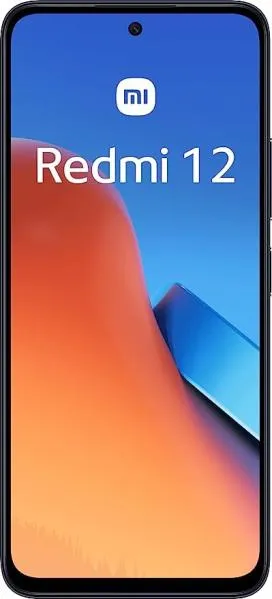
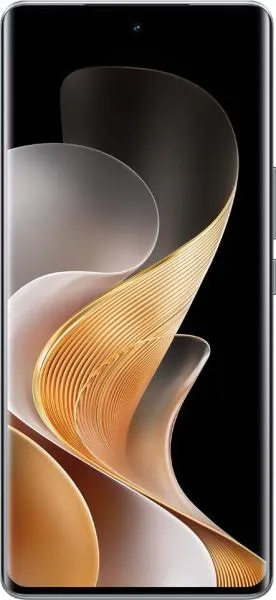
1. Specifications Comparison
| Feature | Xiaomi Redmi 12 | vivo V40 | Practical Impact |
|---|---|---|---|
| Design | |||
| Dimensions (mm) | 168.6 x 76.3 x 8.2 | 164.2 x 75 x 7.6 | The vivo V40 is slightly smaller and thinner, potentially offering a more comfortable grip. |
| Weight (g) | 198.5 | 190 | The vivo V40 is noticeably lighter, reducing hand fatigue during extended use. |
| Fingerprint Sensor | Side-mounted | Under-display | Preference-based; under-display sensors offer a cleaner aesthetic while side-mounted sensors are often faster and more reliable. |
| Display | |||
| Display Type | IPS LCD | AMOLED | AMOLED offers deeper blacks, more vibrant colors, and potentially better power efficiency. |
| Display Size (inches) | 6.79 | 6.78 | Negligible size difference. |
| Resolution | 1080 x 2460 | 1260 x 2800 | The vivo V40 has a sharper display with higher pixel density, resulting in clearer text and images. |
| Refresh Rate (Hz) | 90 | 120 | The vivo V40's 120Hz refresh rate provides smoother scrolling and animations, leading to a more fluid user experience. |
| HDR | No HDR support detected | HDR10+ | The vivo V40 supports HDR10+, enabling a wider dynamic range and more vibrant colors when viewing compatible content. |
| Peak Brightness (nits) | 550 | 4500 | The vivo V40's significantly higher peak brightness makes it much more usable outdoors in direct sunlight. |
| Performance | |||
| Chipset | Mediatek Helio G88 (12nm) | Qualcomm Snapdragon 7 Gen 3 (4nm) | The Snapdragon 7 Gen 3 is significantly more powerful and efficient due to its newer architecture and smaller manufacturing process. This translates to better performance in demanding tasks and games, as well as improved battery life. |
| CPU | Octa-core (2x2.0 GHz Cortex-A75 & 6x1.8 GHz Cortex-A55) | Octa-core (1x2.63 GHz Cortex-A715 & 3x2.4 GHz Cortex-A715 & 4x1.8 GHz Cortex-A510) | The vivo V40 features more powerful CPU cores and a higher clock speed, providing a noticeable performance advantage. |
| GPU | Mali-G52 MC2 | Adreno 720 | The Adreno 720 provides a substantial improvement in graphics performance for gaming and other visually demanding tasks. |
| RAM | 4GB/8GB | 12GB | The vivo V40 offers significantly more RAM, enabling better multitasking and smoother performance when running multiple apps simultaneously. |
| Camera | |||
| Rear Camera | 50MP Main, 8MP Wide, 2MP Macro | 50MP Main, 50MP Wide | Both have high-resolution main sensors, but the vivo V40 offers a higher resolution ultra-wide lens, potentially capturing more detail in wide shots. |
| Front Camera | 8MP | 50MP | The vivo V40 has a much higher resolution front-facing camera, enabling significantly better selfie quality. |
| Video Recording | 1080p@30fps | 4K@30fps with OIS, EIS | The vivo V40 can record video at a higher resolution and features optical image stabilization (OIS) for smoother, less shaky footage. |
| Battery | |||
| Capacity (mAh) | 5000 | 5500 | The vivo V40 has a slightly larger battery capacity, potentially offering longer battery life. However, real-world battery life depends on many factors including display usage and processing demands. |
2. Key Differences Analysis
Xiaomi Redmi 12 Advantages:
- Lower Price: Significantly more affordable.
vivo V40 Advantages:
- Superior Performance: Significantly faster processor, GPU, and more RAM.
- Better Display: AMOLED with higher resolution, refresh rate, HDR support, and dramatically brighter.
- Enhanced Camera: Higher resolution front and ultra-wide cameras, 4K video recording with OIS.
- Larger Battery: Slightly larger capacity for potentially longer battery life.
- More Modern Connectivity: Bluetooth 5.4 and WiFi 6 (802.11ax) support future-proofs the device.
3. User Profiles & Recommendations
Xiaomi Redmi 12: Budget-conscious users who prioritize basic functionality for everyday tasks like calling, texting, browsing, and social media.
vivo V40: Users who demand high performance for gaming, demanding apps, and multimedia consumption. Photography enthusiasts will also appreciate the superior camera system.
4. Decision Framework
Key Questions for Buyers:
- What is your budget? The Redmi 12 is significantly more affordable.
- What are your primary use cases? For basic tasks, the Redmi 12 is sufficient. For demanding tasks and gaming, the vivo V40 is far superior.
- How important is display and camera quality? The vivo V40 offers a dramatically better display and a more advanced camera system.
Scenario-Based Recommendations:
- Limited Budget: Redmi 12
- Gaming & Multimedia: vivo V40
- Photography Enthusiast: vivo V40
My Choice: vivo V40
While the Xiaomi Redmi 12 offers excellent value for its price, the vivo V40 is the clear winner for me. The significantly improved performance, superior display, advanced camera system, and larger battery justify the higher price. The Snapdragon 7 Gen 3 chip ensures a smooth and responsive experience for years to come, the AMOLED display offers vibrant visuals, and the camera system provides greater versatility and quality. The added benefits of more modern connectivity options further solidify the V40 as a future-proof choice. While the price difference is substantial, the V40 offers a substantial upgrade in almost every area, making it a worthwhile investment for a user who values performance and a premium experience.
