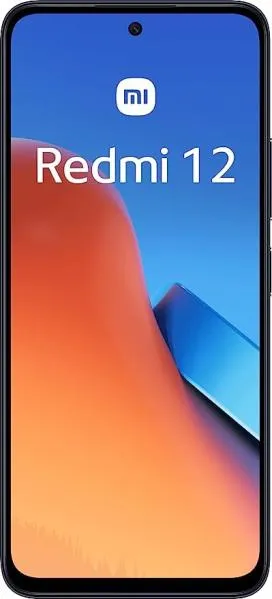

1. Specifications Comparison
| Feature | Xiaomi Redmi 12 | OnePlus 12R | Practical Impact |
|---|---|---|---|
| Design | |||
| Dimensions (mm) | 168.6 x 76.3 x 8.2 | 163.3 x 75.3 x 8.8 | The Redmi 12 is slightly taller and wider, but thinner than the 12R. The 12R is a bit heavier. Differences are minimal and likely won't significantly impact in-hand feel. |
| Weight (g) | 198.5 | 207 | The OnePlus 12R is noticeably heavier, potentially affecting one-handed use over extended periods. |
| Build Material | Not specified | Not specified | Unable to compare build quality and durability without this information. |
| Display | |||
| Display Type | IPS LCD | LTPO4 AMOLED | AMOLED offers deeper blacks, higher contrast, and potentially better power efficiency due to per-pixel illumination. The 12R's LTPO technology allows for dynamic refresh rate adjustment, saving battery. |
| Display Size (inches) | 6.79 | 6.78 | Virtually identical screen sizes. |
| Resolution | 1080 x 2460 | 1264 x 2780 | The 12R has a significantly sharper display with higher pixel density, resulting in clearer text and images. |
| Refresh Rate (Hz) | 90 | 120 | The 12R's 120Hz refresh rate offers smoother scrolling and animations. |
| Peak Brightness (nits) | 550 | 4500 | The 12R boasts dramatically higher peak brightness, ensuring excellent outdoor visibility even in direct sunlight. |
| HDR | No | HDR10+, Dolby Vision | The 12R supports HDR content, resulting in a wider dynamic range and more vibrant colors in supported videos and games. |
| Performance | |||
| Chipset | Mediatek Helio G88 (12nm) | Qualcomm Snapdragon 8 Gen 2 (4nm) | The Snapdragon 8 Gen 2 is significantly more powerful, offering much better performance in demanding tasks like gaming and multitasking. The 4nm process also implies better power efficiency. |
| CPU | Octa-core (2x2.0 GHz Cortex-A75 & 6x1.8 GHz Cortex-A55) | Octa-core (1x3.2 GHz Cortex-X3 & ... & 3x2.0 GHz Cortex-A510) | The 12R's CPU boasts newer and faster cores, translating to a substantial performance advantage. |
| GPU | Mali-G52 MC2 | Adreno 740 | The Adreno 740 is a considerably more powerful GPU, delivering a superior gaming and graphics rendering experience. |
| RAM | 4GB/8GB | 8GB/16GB | The 12R offers more RAM in its configurations, enabling better multitasking and smoother performance with multiple apps open. |
| Camera | |||
| Main Camera (MP) | 50 | 50 | Megapixel count is the same, but sensor quality and other factors can significantly impact image quality. Specific sensor details for the Redmi 12 are incomplete. |
| Video Recording | 1080p@30fps | Up to 4K@60fps with OIS/EIS | The 12R offers superior video recording capabilities with higher resolution, frame rates, and optical image stabilization (OIS) for smoother footage. |
| Battery | |||
| Capacity (mAh) | 5000 | 5500 | The 12R has a slightly larger battery, but real-world battery life depends on various factors including display type, chipset efficiency, and software optimization. |
2. Key Differences Analysis
Xiaomi Redmi 12 Advantages:
- Lower Price: Expected to be significantly cheaper.
- Lighter Weight: Slightly easier for one-handed use.
OnePlus 12R Advantages:
- Significantly better performance: Snapdragon 8 Gen 2 offers a huge leap in processing power for demanding tasks and gaming.
- Superior display: AMOLED with higher resolution, refresh rate, and HDR support provides a dramatically better visual experience.
- Enhanced Camera Features: Higher resolution video recording with OIS and EIS.
- Larger Battery: Potentially longer battery life.
- More RAM: Better multitasking capabilities
3. User Profiles & Recommendations
Redmi 12: Budget-conscious users who prioritize basic functionality (calls, messaging, social media) and light usage.
OnePlus 12R: Users who demand high performance for gaming, content creation, or heavy multitasking, and value a premium display and camera features.
4. Decision Framework
Key Questions:
- What is your budget? The Redmi 12 is for budget-constrained buyers, while the 12R is a more premium option.
- What are your primary use cases? Basic use vs demanding tasks like gaming and content creation.
- How important is display and camera quality? The 12R excels in these areas.
Scenario-Based Recommendations:
- Limited Budget, Basic Use: Redmi 12.
- Gamer/Power User: OnePlus 12R.
- Best Value for Money: Depends on individual needs and pricing, but the 12R offers significantly more advanced features for the price difference.
My Choice: OnePlus 12R
While the Redmi 12 serves its purpose as a budget device, the OnePlus 12R offers a compelling package with its flagship-level performance, stunning display, and enhanced camera capabilities. The Snapdragon 8 Gen 2 alone offers a massive performance difference that would significantly impact my daily usage. The superior AMOLED display and smoother refresh rate are crucial for a enjoyable user experience. Even though the price is higher, the 12R's advanced features justify the cost for a user who values performance and a premium experience. I am willing to invest more for a device that will provide a significantly better long-term experience.
