1. Specifications Comparison
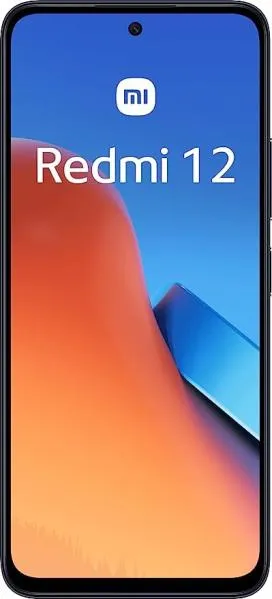
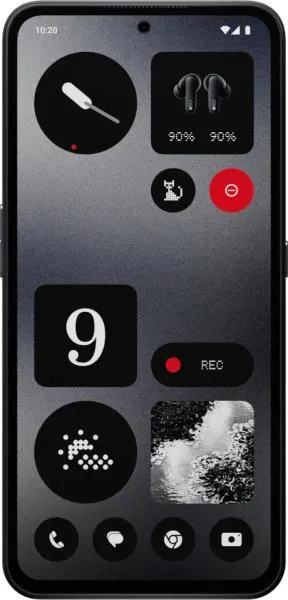
| Feature | Xiaomi Redmi 12 | Nothing CMF Phone 1 | Practical Impact |
|---|---|---|---|
| Design | |||
| Dimensions (mm) | 168.6 x 76.3 x 8.2 | 164 x 77 x 8.2 | Redmi 12 is slightly taller and narrower. Negligible difference in hand feel. |
| Weight (g) | 198.5 | 197 | Virtually identical weight. |
| Build | Unspecified | Unspecified | Material differences unknown, impacting durability and premium feel. |
| Display | |||
| Display Type | IPS LCD | AMOLED | AMOLED offers deeper blacks, better contrast, and potentially higher power efficiency. |
| Display Size (inches) | 6.79 | 6.67 | Negligible size difference. |
| Resolution | 1080 x 2460 | 1080 x 2400 | Virtually identical sharpness. |
| Refresh Rate (Hz) | 90 | 120 | CMF Phone 1 will feel smoother in animations and scrolling. |
| Peak Brightness (nits) | 550 | 2000 | CMF Phone 1 significantly brighter, improving outdoor visibility. |
| Performance | |||
| Chipset | Mediatek Helio G88 (12nm) | Mediatek Dimensity 7300 (4nm) | Dimensity 7300 significantly more powerful and efficient due to smaller node size and architecture. |
| CPU | Octa-core (2x2.0 GHz A75 & 6x1.8 GHz A55) | Octa-core (4x2.5 GHz A78 & 4x2.0 GHz A55) | CMF Phone 1 has faster and more powerful CPU cores, resulting in better performance. |
| GPU | Mali-G52 MC2 | Mali-G615 MC2 | CMF Phone 1's GPU provides better gaming and graphics performance. |
| RAM (GB) | 4/8 | 8 | CMF Phone 1 offers more RAM in all its configurations, leading to better multitasking. |
| OS | Android 13 | Android 14 | CMF Phone 1 ships with a newer OS and longer software support (up to Android 16). |
| Camera | |||
| Main Camera (MP) | 50 | 50 | Similar resolution, but sensor quality and other features will determine image quality. Specific sensor details are incomplete for Redmi 12. |
| Other Cameras | 8MP Wide, 2MP Macro | 2MP Depth | CMF Phone 1 lacks an ultrawide, while Redmi 12 lacks a dedicated depth sensor. Different camera setups cater to different photography preferences. |
| Video Recording | 1080p@30fps | 4K@30fps | CMF Phone 1 capable of higher resolution video recording. |
| Battery | |||
| Capacity (mAh) | 5000 | 5000 | Identical battery capacity. Real-world battery life will depend on chip efficiency and software optimization. |
| Charging Speed | Unspecified | Unspecified | Missing information prevents comparison of charging speeds. |
| Other | |||
| NFC | Yes | No | Redmi 12 supports contactless payments and other NFC functionalities. |
| Price Range | Medium | Medium | While both are mid-range, specific pricing comparison is necessary due to varying regional prices. CMF Phone 1 generally more expensive. |
2. Key Differences Analysis
Xiaomi Redmi 12 Advantages:
- Lower Price: Generally more affordable.
- NFC: Supports contactless payments.
Nothing CMF Phone 1 Advantages:
- Significantly Better Performance: Dimensity 7300 provides a major leap in processing power and efficiency.
- Higher Refresh Rate Display: Smoother user experience.
- Brighter Display: Improved outdoor visibility.
- Newer OS and Longer Software Support: Android 14 out of the box, with updates up to Android 16.
- Higher Resolution Video Recording: 4K@30fps.
Trade-offs:
- CMF Phone 1 lacks NFC: A significant drawback for users relying on contactless payments.
- CMF Phone 1 lacks an ultrawide camera: Limits versatility in photography.
3. User Profiles & Recommendations
Xiaomi Redmi 12: Budget-conscious users prioritizing basic functionality, including NFC. Suitable for everyday tasks like browsing, social media, and casual photography.
Nothing CMF Phone 1: Users seeking better performance for demanding tasks like gaming and content creation. Also suitable for users who prioritize display quality and smoothness.
4. Decision Framework
Key Questions for Buyers:
- What is your budget? The Redmi 12 is likely significantly cheaper.
- Is NFC a must-have feature? If yes, the Redmi 12 is the only option.
- Do you prioritize performance and display quality over price and NFC? If yes, the CMF Phone 1 is the better choice.
My Choice: Nothing CMF Phone 1
While the lack of NFC is a drawback, the Nothing CMF Phone 1's superior performance, display, and longer software support outweigh the Redmi 12's advantages for me. I prioritize a smooth and responsive user experience, and the Dimensity 7300 chipset combined with the 120Hz AMOLED display delivers that. The longer software updates ensure the phone remains up-to-date for a longer period. I can use alternative payment methods, mitigating the absence of NFC. The Redmi 12's lower price makes it a viable budget option, but the performance difference would be noticeable in daily use.
