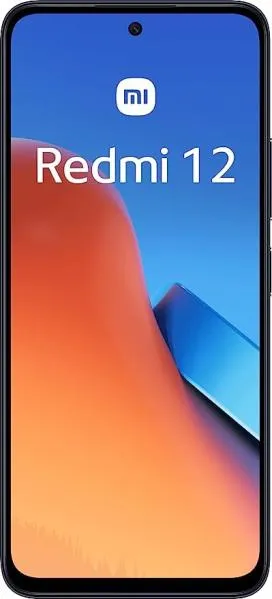
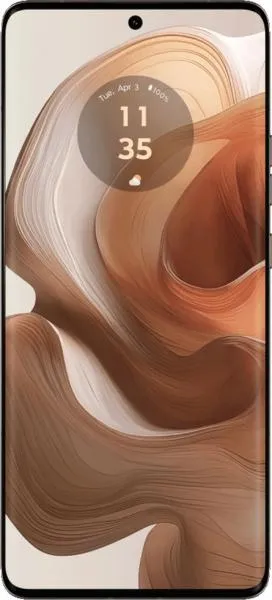
1. Specifications Comparison
| Feature | Xiaomi Redmi 12 | Motorola Edge 50 Ultra | Practical Impact |
|---|---|---|---|
| Design | |||
| Dimensions (mm) | 168.6 x 76.3 x 8.2 | 161.1 x 72.4 x 8.6 | Edge 50 Ultra is slightly shorter and narrower, potentially improving one-handed use. Redmi 12 is thinner. |
| Weight (g) | 198.5 | 197 | Negligible weight difference. |
| Build Material | Not specified | Not specified | Cannot compare build quality and durability. |
| Display | |||
| Display Type | IPS LCD | P-OLED | P-OLED offers deeper blacks, more vibrant colors, and potentially better power efficiency. |
| Display Size (inches) | 6.79 | 6.7 | Redmi 12 has a slightly larger display. |
| Resolution | 1080 x 2460 | 1220 x 2712 | Edge 50 Ultra has a sharper display with higher pixel density (446 ppi vs 396 ppi), resulting in clearer text and images. |
| Refresh Rate (Hz) | 90 | 144 | Edge 50 Ultra offers a smoother scrolling and gaming experience with its higher refresh rate. |
| Peak Brightness (nits) | 550 | 2500 | Edge 50 Ultra is significantly brighter, ensuring better visibility in direct sunlight. |
| Performance | |||
| Chipset | Mediatek Helio G88 (12nm) | Qualcomm Snapdragon 8s Gen 3 (4nm) | Edge 50 Ultra boasts a significantly more powerful processor, leading to much faster performance in demanding tasks and gaming. |
| CPU | Octa-core (2x2.0 GHz Cortex-A75 & 6x1.8 GHz Cortex-A55) | Octa-core (1x3.0 GHz Cortex-X4 & 4x2.8 GHz Cortex-A720 & 3x2.0 GHz Cortex-A520) | Edge 50 Ultra has a more modern and powerful CPU architecture. |
| GPU | Mali-G52 MC2 | Adreno 735 | Edge 50 Ultra provides superior graphics performance for gaming and other visually intensive applications. |
| RAM | 4GB/8GB | 12GB/16GB | Edge 50 Ultra offers significantly more RAM enabling smoother multitasking and better performance with demanding apps. |
| Storage | 128GB/256GB | 512GB/1TB | Edge 50 Ultra offers substantially more storage. |
| Camera | |||
| Main Camera | 50MP | 50MP | While both have the same megapixel count, the Edge 50 Ultra likely has a larger sensor (1/1.3" vs 1/2.76") and wider aperture (f/1.6 vs f/1.8), potentially capturing more light and detail. |
| Ultrawide | 8MP | 50MP | Edge 50 Ultra has a significantly better ultrawide camera. |
| Telephoto | None | 64MP with 3x optical zoom | Edge 50 Ultra offers optical zoom for better quality zoomed images. |
| Selfie Camera | 8MP | 50MP | Edge 50 Ultra has a much higher resolution selfie camera. |
| Video Recording | 1080p@30fps | Up to 4K@60fps, 1080p@960fps | Edge 50 Ultra offers superior video recording capabilities with higher resolution and frame rates, including slow-motion. |
| Battery | |||
| Capacity (mAh) | 5000 | 4500 | Redmi 12 has a larger battery capacity, potentially offering longer battery life. However, real-world usage depends on various factors like display brightness and processor efficiency. |
2. Key Differences Analysis
Motorola Edge 50 Ultra Advantages:
- Significantly more powerful: The Snapdragon 8s Gen 3 chip provides a vastly superior performance experience.
- Higher quality display: P-OLED with a 144Hz refresh rate and HDR10+ support provides a smoother and more visually appealing experience.
- More versatile camera system: Offers a superior ultrawide, telephoto lens with optical zoom, and higher quality video recording.
- More future-proof: Newer Android version with longer update support, faster charging, and Wi-Fi 7 support.
Xiaomi Redmi 12 Advantages:
- Potentially longer battery life: Larger 5000mAh battery.
- Lower price: Significantly more affordable.
3. User Profiles & Recommendations
Xiaomi Redmi 12: Budget-conscious users who prioritize basic functionality, long battery life, and affordability. Suitable for everyday tasks like calling, texting, browsing, and social media.
Motorola Edge 50 Ultra: Users who demand top-tier performance, a premium display, and a versatile camera system. Ideal for demanding tasks like gaming, content creation, and photography.
4. Decision Framework
Key Questions for Buyers:
- What is your budget? The Redmi 12 is significantly cheaper.
- What are your performance needs? For demanding tasks and gaming, the Edge 50 Ultra is essential.
- How important is camera quality? The Edge 50 Ultra offers a much more versatile and capable camera system.
My Choice: Motorola Edge 50 Ultra
While the Redmi 12 offers excellent value for its price, the Motorola Edge 50 Ultra is the clear winner for me. The significantly improved performance, stunning display, versatile camera system, and future-proof features outweigh the price difference and slightly smaller battery. The Snapdragon 8s Gen 3, coupled with 12GB of RAM, ensures a smooth and lag-free experience for years to come. The 144Hz P-OLED display is a visual treat, and the camera system offers significantly better image and video quality. While the Redmi 12 is a good budget option, the Edge 50 Ultra offers a truly premium smartphone experience that justifies the higher price for my needs.
