1. Specifications Comparison
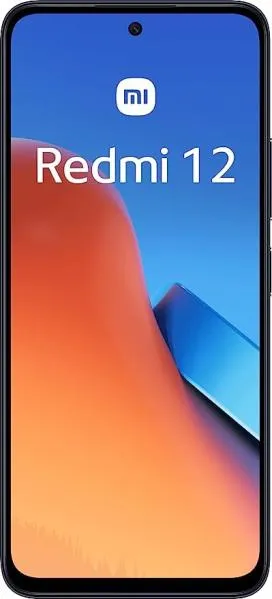
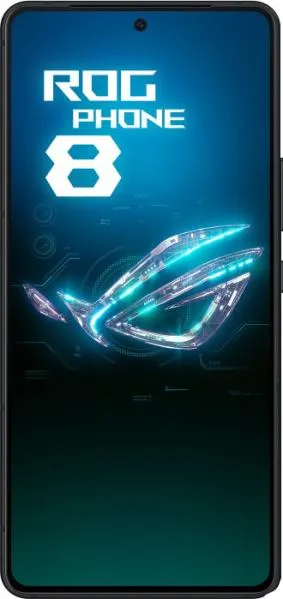
| Feature | Xiaomi Redmi 12 | Asus ROG Phone 8 | Practical Impact |
|---|---|---|---|
| Design | |||
| Dimensions (mm) | 168.6 x 76.3 x 8.2 | 163.8 x 76.8 x 8.9 | ROG Phone 8 is slightly shorter, wider, and thicker. Negligible difference in everyday use. |
| Weight (g) | 198.5 | 225 | Redmi 12 is noticeably lighter, reducing hand fatigue during extended use. |
| Build Material | Not specified | Not specified | Cannot compare build quality and durability without material information. |
| Display | |||
| Display Type | IPS LCD | AMOLED | AMOLED offers superior contrast, deeper blacks, and potentially better power efficiency. |
| Display Size (inches) | 6.79 | 6.78 | Virtually identical screen sizes. |
| Resolution | 1080 x 2460 | 1080 x 2400 | Negligible difference in sharpness at this screen size. |
| Refresh Rate (Hz) | 90 | 165 | ROG Phone 8's significantly higher refresh rate results in much smoother scrolling and animations, especially noticeable in gaming and fast-paced content. |
| Peak Brightness (nits) | 550 | 2500 | ROG Phone 8 offers exceptional outdoor visibility even in direct sunlight. |
| HDR | No | HDR10 | ROG Phone 8 supports HDR content, providing a wider dynamic range and more vibrant colors in compatible videos and games. |
| Performance | |||
| Chipset | Mediatek Helio G88 (12nm) | Snapdragon 8 Gen 3 (4nm) | ROG Phone 8 boasts a significantly more powerful and efficient processor, enabling smoother multitasking, demanding gaming, and faster app loading. |
| CPU | Octa-core (2x2.0 GHz A75 & 6x1.8 GHz A55) | Octa-core (1x3.3 GHz X4 & 7x A720/A520) | ROG Phone 8's CPU architecture is far superior, offering a considerable performance advantage. |
| GPU | Mali-G52 MC2 | Adreno 750 | ROG Phone 8's GPU provides a substantial leap in graphics performance, crucial for high-end gaming and graphically intensive applications. |
| RAM | 4GB/8GB | 12GB/16GB | ROG Phone 8 offers significantly more RAM, allowing for seamless multitasking and keeping more apps open in the background without performance slowdown. |
| Camera | |||
| Main Camera (MP) | 50 | 50 | Megapixel count is similar, but sensor quality and other factors impact overall image quality. More details on sensor size and aperture are needed for a comprehensive comparison. |
| Ultrawide (MP) | 8 | 13 | ROG Phone 8's ultrawide offers potentially wider field of view and slightly higher resolution. |
| Video Recording | 1080p@30fps | Up to 8K@24fps | ROG Phone 8 supports significantly higher video resolution and frame rates, including 8K recording. |
| Battery | |||
| Capacity (mAh) | 5000 | 5500 | ROG Phone 8 has a slightly larger battery capacity, but actual battery life depends on various factors like display usage and processor efficiency. |
2. Key Differences Analysis
Xiaomi Redmi 12 Advantages:
- Lighter and potentially more affordable: Easier to handle and potentially fits tighter budgets.
Asus ROG Phone 8 Advantages:
- Significantly higher performance: Superior CPU, GPU, and RAM ensure smooth performance even in demanding tasks and games.
- Superior display: AMOLED technology, higher refresh rate, and HDR support deliver a more vibrant and responsive visual experience.
- More advanced camera features: Higher resolution video recording capabilities and potentially better image quality.
- Larger battery: Potentially longer battery life.
3. User Profiles & Recommendations
Xiaomi Redmi 12:
- Budget-conscious users: Prioritize affordability and basic functionality.
- Casual users: Primarily use their phone for calling, texting, social media, and light browsing.
Asus ROG Phone 8:
- Gamers: Demand high performance and smooth frame rates for mobile gaming.
- Power users: Need a device capable of handling demanding tasks like video editing and multitasking.
- Enthusiasts: Appreciate cutting-edge technology and premium features like a high refresh rate display and advanced camera capabilities.
4. Decision Framework
Key Questions for Buyers:
- What is your budget? The ROG Phone 8 is significantly more expensive.
- What are your primary use cases? Gaming and demanding tasks benefit from the ROG Phone 8's power.
- How important are display quality and battery life? ROG Phone 8 excels in both areas.
My Choice: Asus ROG Phone 8
While the Redmi 12 offers excellent value for its price, the ROG Phone 8 is the clear winner for me. The significant jump in performance, the superior AMOLED display with a 165Hz refresh rate, and the advanced camera capabilities justify the higher price. As someone who values a smooth and responsive user experience, the ROG Phone 8's powerful hardware and premium features are highly appealing. Even though the Redmi 12 is lighter, the ROG Phone 8's superior features outweigh the slight weight difference for me. The future-proofing offered by the ROG Phone 8's cutting-edge technology is also a major consideration.
