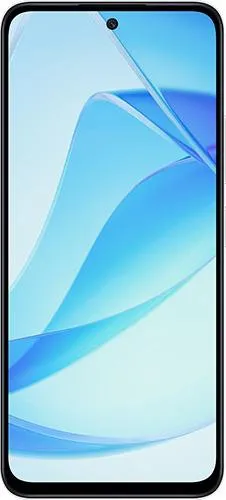
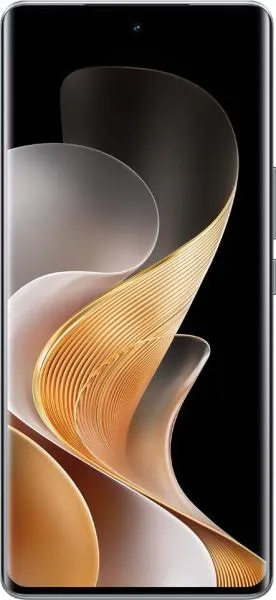
1. Specifications Comparison
| Feature | Xiaomi Redmi 12 5G | vivo V40 | Practical Impact |
|---|---|---|---|
| Design | |||
| Dimensions | 168.6 x 76.3 x 8.2 mm | 164.2 x 75 x 7.6 mm | The vivo V40 is slightly smaller and thinner, making it potentially more pocketable and comfortable to hold. |
| Weight | 199g | 190g | The vivo V40 is slightly lighter, further enhancing one-handed usability. |
| Build Materials | Not specified | Not specified | Cannot compare build quality and durability without more information. |
| Display | |||
| Display Type | IPS LCD | AMOLED | AMOLED generally offers richer colors, deeper blacks, and better power efficiency compared to IPS LCD. |
| Display Size | 6.79" | 6.78" | Negligible difference in screen real estate. |
| Resolution | 1080 x 2460 | 1260 x 2800 | The vivo V40 has a sharper display with higher pixel density, resulting in clearer text and images. |
| Refresh Rate | 90Hz | 120Hz | The vivo V40's 120Hz refresh rate will provide smoother animations and scrolling compared to the Redmi 12 5G's 90Hz. |
| Peak Brightness | Not specified | 4500 nits | The vivo V40's significantly higher peak brightness ensures excellent outdoor visibility, even in direct sunlight. The Redmi 12's unspecified peak brightness makes comparison impossible. |
| Performance | |||
| Chipset | Snapdragon 4 Gen 2 | Snapdragon 7 Gen 3 | The Snapdragon 7 Gen 3 is a significantly more powerful chipset, enabling smoother multitasking, faster app loading, and better gaming performance compared to the Snapdragon 4 Gen 2. |
| CPU | Octa-core (2x2.2 GHz Cortex-A78 & 6x1.95 GHz Cortex-A55) | Octa-core (1x2.63 GHz Cortex-A715 & 3x2.4 GHz Cortex-A715 & 4x1.8 GHz Cortex-A510) | The vivo V40's CPU architecture is more modern and powerful, offering superior performance. |
| GPU | Adreno 613 | Adreno 720 | The Adreno 720 offers significantly better graphics performance, benefiting gaming and visually demanding tasks. |
| RAM/Storage | 128GB/6GB | 512GB/12GB | The vivo V40 offers significantly more storage and RAM, allowing for smoother multitasking and ample space for apps and files. |
| Camera | |||
| Video Capabilities | 1080p@30fps | 4K@30fps (OIS, EIS), 1080p@30fps (OIS, EIS) | The vivo V40 can record in higher resolution (4K) and features optical image stabilization (OIS) and electronic image stabilization (EIS) for smoother, more stable videos. |
| Other Camera Specs | Not specified | Not specified | Cannot compare camera quality and features without detailed sensor information. |
| Battery | |||
| Capacity | 5000 mAh | 5500 mAh | The vivo V40 has a slightly larger battery, potentially offering longer battery life. However, real-world battery life depends on various factors including software optimization and display usage. |
| Other | |||
| NFC | No | Yes | The vivo V40 supports NFC for contactless payments and other functionalities. |
| OS | Android 13 | Android 14 | The vivo V40 ships with a newer version of Android, potentially offering newer features and longer software support. |
2. Key Differences Analysis
Xiaomi Redmi 12 5G Advantages:
- Potentially Lower Price: Likely more affordable given the lower-end specifications.
vivo V40 Advantages:
- Superior Performance: Significantly faster processor and GPU for smoother overall experience and better gaming.
- Better Display: AMOLED screen with higher resolution, refresh rate, and peak brightness.
- Larger Storage and RAM: More space for apps, files, and smoother multitasking.
- Enhanced Camera Capabilities: 4K video recording with OIS and EIS.
- Larger Battery: Potentially longer battery life.
- NFC Functionality: Enables contactless payments.
- Newer OS: Android 14 with potential for longer software updates.
3. User Profiles & Recommendations
Xiaomi Redmi 12 5G: Budget-conscious users who prioritize basic functionality over high-end features. Suitable for light usage like calling, texting, browsing, and social media.
vivo V40: Users who demand a smooth and powerful experience for demanding tasks like gaming, content creation, and multitasking. Also suitable for users who value a high-quality display and camera.
4. Decision Framework
Key Questions:
- What is your budget? The Redmi 12 5G is likely more affordable.
- What are your primary smartphone usage patterns? Light users might find the Redmi 12 sufficient. Demanding users will prefer the vivo V40.
- Which features are most important to you? Prioritize display quality, performance, or camera capabilities?
My Choice: vivo V40
While lacking specific camera sensor details and build material information, the vivo V40 is the clear winner for me. The superior performance, stunning AMOLED display with 120Hz, larger storage and RAM, enhanced camera capabilities (especially 4K video with OIS/EIS), and the inclusion of NFC significantly outweigh the potential price difference. The Snapdragon 7 Gen 3 offers a tangible performance leap over the 4 Gen 2, making it a future-proof choice for demanding applications and games. Even if the Redmi 12 is significantly cheaper, the vivo V40's enhanced user experience justifies the higher investment for me. I value a smooth, responsive phone with a vibrant display and strong performance, which the vivo V40 clearly delivers based on the available specifications.
