1. Specifications Comparison
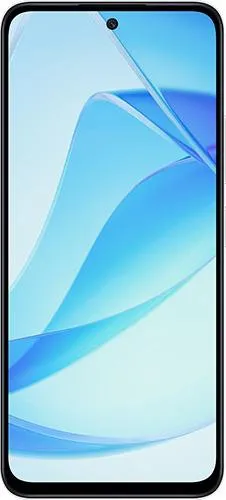
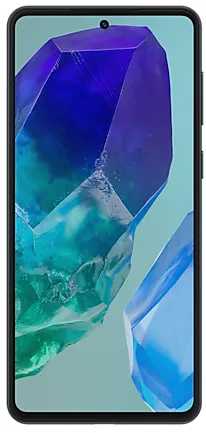
| Feature | Xiaomi Redmi 12 5G | Samsung Galaxy M55 | Practical Impact |
|---|---|---|---|
| Design | |||
| Dimensions (mm) | 168.6 x 76.3 x 8.2 | 163.9 x 76.5 x 7.8 | The Galaxy M55 is slightly smaller and thinner, potentially offering a better hand feel. |
| Weight (g) | 199 | 180 | The Galaxy M55 is noticeably lighter, improving one-handed use and reducing pocket bulk. |
| Fingerprint Sensor | Side-mounted | Under-display | Preference-based, but under-display sensors often feel more modern. |
| Display | |||
| Display Type | IPS LCD | Super AMOLED+ | AMOLED generally offers more vibrant colors, deeper blacks, and better power efficiency. |
| Display Size (inches) | 6.79 | 6.7 | Negligible size difference. |
| Resolution | 1080 x 2460 | 1080 x 2400 | Virtually identical pixel density, resulting in similar sharpness. |
| Refresh Rate (Hz) | 90 | 120 | The 120Hz refresh rate on the M55 will provide smoother scrolling and animations. |
| Brightness (nits) | 550 | 1000 (HBM) | The M55's significantly higher brightness ensures better outdoor visibility. |
| Performance | |||
| Chipset | Snapdragon 4 Gen 2 | Snapdragon 7 Gen 1 | The Snapdragon 7 Gen 1 in the M55 offers significantly better performance for demanding tasks and gaming. |
| CPU | Octa-core (2x2.2 GHz A78 & 6x1.95 GHz A55) | Octa-core (1x2.4 GHz A710 & 3x2.36 GHz A710 & 4x1.8 GHz A510) | The M55's CPU architecture is more modern and powerful. |
| GPU | Adreno 613 | Adreno 644 | The M55's GPU provides a substantial improvement in graphics performance. |
| RAM | 6GB | 8GB | More RAM in the M55 enables better multitasking and smoother performance. |
| Storage | 128GB | 256GB | Double the storage on the M55 allows for more apps, photos, and videos. |
| Camera | |||
| Video Capabilities | 1080p@30fps | 4K@30fps (OIS, EIS), 1080p@60fps (OIS, EIS) | The M55 offers superior video recording capabilities with 4K resolution, optical image stabilization (OIS), and electronic image stabilization (EIS). No camera specifics were given so comprehensive analysis isn't possible. |
| Battery | |||
| Capacity (mAh) | 5000 | 5000 | Identical battery capacity; however, real-world battery life will depend on software optimization and display power consumption. |
| Other | |||
| NFC | No | Yes | NFC enables contactless payments and other convenient features. |
| OS | Android 13 | Android 14 | The M55 launches with a newer Android version, potentially offering more features and longer software support. |
2. Key Differences Analysis
Xiaomi Redmi 12 5G Advantages:
- Potentially Lower Price: Redmi phones are generally more budget-friendly.
Samsung Galaxy M55 Advantages:
- Superior Performance: Significantly faster processor and GPU for smoother multitasking and gaming.
- Better Display: AMOLED technology with higher refresh rate and brightness.
- Enhanced Camera Features: 4K video recording with OIS and EIS for more stable and higher quality videos.
- More Storage and RAM: Provides a more future-proof experience.
- NFC: Enables convenient contactless payments.
- Newer OS: Android 14 offers potential feature and security advantages.
- Lighter and Slimmer: More comfortable to hold and carry.
3. User Profiles & Recommendations
Xiaomi Redmi 12 5G: Budget-conscious users who prioritize basic functionality (calling, texting, web browsing) and light gaming.
Samsung Galaxy M55: Users who value performance, a high-quality display, better camera features, and the latest software. Suitable for mobile gaming, content consumption, and multitasking.
4. Decision Framework
Key Questions for Buyers:
- What is your budget? The Redmi 12 is likely more affordable.
- What are your primary smartphone uses? For basic tasks, the Redmi 12 may suffice. For demanding tasks and gaming, the M55 is significantly better.
- How important are display quality, camera features, and NFC? The M55 excels in these areas.
My Choice: Samsung Galaxy M55
While lacking specific pricing information, the Samsung Galaxy M55 offers a significantly superior overall package. The Snapdragon 7 Gen 1 provides a considerable performance advantage, crucial for a smooth user experience in the long run. The AMOLED display with a 120Hz refresh rate and higher brightness will deliver a more enjoyable visual experience. The enhanced camera features, larger storage, NFC functionality, and newer Android version further solidify its lead. Even if the M55 is priced higher, the substantial upgrades justify the investment for most users beyond those strictly on the tightest budgets. The lighter and slimmer design is a welcome bonus.
