1. Specifications Comparison
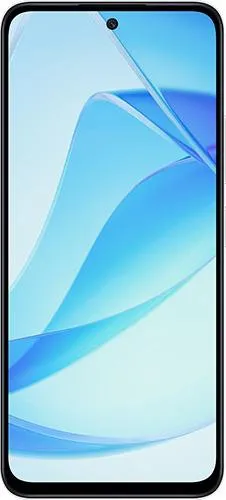
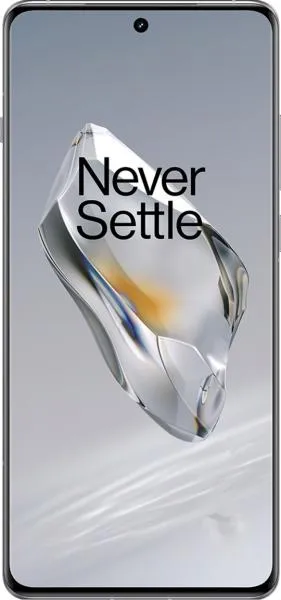
| Feature | Xiaomi Redmi 12 5G | OnePlus 12 | Practical Impact |
|---|---|---|---|
| Design | |||
| Dimensions | 168.6 x 76.3 x 8.2 mm | 164.3 x 75.8 x 9.2 mm | OnePlus 12 is slightly shorter and narrower but thicker. Negligible difference in hand feel. |
| Weight | 199g | 220g | Redmi 12 5G is noticeably lighter, reducing hand fatigue during extended use. |
| Build Materials | Not specified | Not specified | Cannot compare build quality and durability without this information. |
| Display | |||
| Display Type | IPS LCD | LTPO AMOLED | OnePlus 12 offers significantly better contrast, deeper blacks, and more vibrant colors due to AMOLED technology. |
| Display Size | 6.79" | 6.82" | Negligible difference in screen real estate. |
| Resolution | 1080 x 2460 | 1440 x 3168 | OnePlus 12 has a much sharper display with significantly higher pixel density, resulting in crisper text and images. |
| Refresh Rate | 90Hz | 120Hz | OnePlus 12 provides smoother scrolling and animations thanks to the higher refresh rate. |
| Peak Brightness | Not specified | 4500 nits | OnePlus 12 offers exceptional outdoor visibility even in direct sunlight. The unspecified Redmi brightness could be a disadvantage outdoors. |
| Performance | |||
| Chipset | Snapdragon 4 Gen 2 | Snapdragon 8 Gen 3 | OnePlus 12 boasts a vastly more powerful chipset, enabling significantly faster performance in demanding tasks like gaming and multitasking. |
| CPU | Octa-core (2x2.2 GHz Cortex-A78 & 6x1.95 GHz Cortex-A55) | Octa-core (1x3.3 GHz Cortex-X4 & 3x3.2 GHz Cortex-A720 & 2x3.0 GHz Cortex-A720 & 2x2.3 GHz Cortex-A520) | The superior CPU architecture of the OnePlus 12 translates to much faster processing speeds. |
| GPU | Adreno 613 | Adreno 750 | OnePlus 12 provides a significantly enhanced gaming and graphics rendering experience due to its powerful GPU. |
| RAM | 6GB | 16GB | OnePlus 12 offers substantially more RAM, enabling seamless multitasking and preventing app closures in the background. |
| Storage | 128GB | 512GB | OnePlus 12 offers much more storage for apps, photos, and videos. |
| Battery | |||
| Capacity | 5000 mAh | 5400 mAh | OnePlus 12 has a slightly larger battery, potentially offering longer battery life; however, real-world usage depends on various factors including the more demanding display. |
| Other | |||
| NFC | No | Yes | OnePlus 12 supports contactless payments and data transfer via NFC. |
| OS | Android 13 | Android 14 | Both phones run on recent Android versions, but OnePlus commits to longer updates (up to Android 18), ensuring software support and security updates for a longer period. |
2. Key Differences Analysis
OnePlus 12 Advantages:
- Significantly superior performance: The Snapdragon 8 Gen 3, coupled with 16GB RAM, provides a flagship-level experience for demanding tasks and gaming.
- Stunning Display: The LTPO AMOLED display with a 120Hz refresh rate and high peak brightness offers vibrant colors, deep blacks, smooth scrolling, and excellent outdoor visibility.
- More Future-Proof: Longer software updates and a more powerful processor ensure the phone remains relevant for a longer period.
- Larger Storage: 512GB provides ample space for apps, media, and files.
Redmi 12 5G Advantages:
- Lighter Weight: Noticeably lighter, making it more comfortable for extended use.
- Potentially Lower Price: Given the "medium price" designation for both, the Redmi 12 5G likely sits at the lower end of this range.
Trade-offs:
- The Redmi 12 5G sacrifices performance, display quality, and features like NFC for a lower price and lighter weight.
- The OnePlus 12 prioritizes performance and premium features, resulting in a higher price and slightly heavier weight.
3. User Profiles & Recommendations
Redmi 12 5G: Budget-conscious users who prioritize basic functionality, lightweight design, and all-day battery life over top-tier performance and premium features. Ideal for:
- Casual users primarily focused on calling, texting, browsing, and social media.
- Users seeking a lightweight and affordable secondary device.
OnePlus 12: Users who demand top-tier performance, a premium display, ample storage, and the latest features. Ideal for:
- Mobile gamers and power users.
- Photography and videography enthusiasts.
- Users who value a future-proof device with long-term software support.
4. Decision Framework
Key Questions for Buyers:
- What is your budget? The OnePlus 12 will command a significantly higher price.
- What are your primary smartphone usage patterns? (e.g., gaming, photography, social media, basic communication)
- How important are features like a premium display, high performance, and long-term software updates?
My Choice: OnePlus 12
While lacking some specific details like build materials, the OnePlus 12 is the clear winner for me. The significantly superior performance, stunning display, ample storage, and future-proofing offered by longer software updates and the Snapdragon 8 Gen 3 outweigh the Redmi 12 5G's advantages in weight and potential price difference. I value a smooth, responsive user experience, high-quality visuals for media consumption, and the ability to run demanding applications without lag. The OnePlus 12 delivers on all these fronts. While the Redmi 12 5G offers a decent value proposition for budget-conscious buyers, the OnePlus 12 represents a superior investment for a user like myself who prioritizes performance and a premium experience. The lack of NFC on the Redmi is also a significant drawback in today's world.
