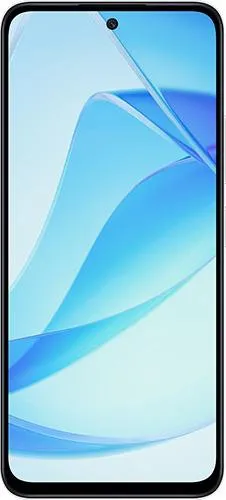
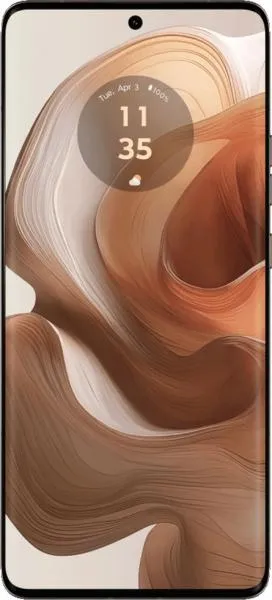
1. Specifications Comparison
| Feature | Xiaomi Redmi 12 5G | Motorola Edge 50 Ultra | Practical Impact |
|---|---|---|---|
| Design | |||
| Dimensions | 168.6 x 76.3 x 8.2 mm | 161.1 x 72.4 x 8.6 mm | The Motorola is slightly smaller and thinner, potentially improving one-handed use, but thicker. |
| Weight | 199 g | 197 g | Negligible weight difference. |
| Build Materials | Not specified | Not specified | Cannot compare build quality and durability. |
| Display | |||
| Display Type | IPS LCD, 90Hz | P-OLED, 144Hz | The Motorola's P-OLED offers deeper blacks, richer colors, and potentially better power efficiency. Its higher refresh rate provides smoother animations and scrolling. |
| Size | 6.79" | 6.7" | Negligible size difference. |
| Resolution | 1080 x 2460 | 1220 x 2712 | The Motorola has a sharper display due to higher pixel density (446 ppi vs 396 ppi). |
| Peak Brightness | Not specified | 2500 nits | The Motorola's significantly higher peak brightness ensures excellent outdoor visibility. The Xiaomi's unspecified brightness could be a disadvantage in sunlight. |
| Performance | |||
| Chipset | Snapdragon 4 Gen 2 | Snapdragon 8s Gen 3 | The Motorola utilizes a significantly more powerful flagship-level processor, resulting in much faster performance for demanding tasks, gaming, and multitasking. |
| CPU | Octa-core (2x2.2 GHz A78 & 6x1.95 GHz A55) | Octa-core (1x3.0 GHz X4 & 4x2.8 GHz A720 & 3x2.0 GHz A520) | The Motorola's CPU architecture is superior, offering substantially improved performance and efficiency. |
| GPU | Adreno 613 | Adreno 735 | The Motorola's GPU offers a substantial performance leap, enabling smoother gaming and faster graphics rendering. |
| RAM | 6GB | 16GB | The Motorola's 16GB RAM allows for significantly improved multitasking and smoother performance with demanding applications. |
| Storage | 128GB | 512GB | The Motorola offers considerably more storage for apps, media, and files. |
| Battery | |||
| Capacity | 5000 mAh | 4500 mAh | The Xiaomi has a slightly larger battery capacity, potentially offering longer battery life. However, real-world usage will depend on software optimization and usage patterns. |
| Other | |||
| OS | Android 13, upgradable to 14 | Android 14, upgradable to 17 | The Motorola will receive longer software updates, ensuring security and new features for a longer period. |
| NFC | No | Yes | The Motorola supports NFC for contactless payments and other functionalities. |
| USB | USB Type-C | USB Type-C 3.1 Gen2, OTG, DisplayPort 1.4 | The Motorola offers faster data transfer speeds and video output capabilities through its more advanced USB port. |
| Video Capabilities | 1080p@30fps | Up to 1080p@960fps | The Motorola offers significantly more advanced video recording capabilities, including higher resolutions, frame rates, and slow-motion recording. |
2. Key Differences Analysis
Motorola Edge 50 Ultra Advantages:
- Significantly superior performance: The Snapdragon 8s Gen 3 and 16GB RAM provide a vastly improved experience for demanding tasks, gaming, and multitasking.
- Higher quality display: The P-OLED with a 144Hz refresh rate and higher resolution offers richer colors, deeper blacks, smoother scrolling, and better outdoor visibility.
- Longer software support: Guaranteed updates to Android 17 ensure security and new features for a longer period.
- More versatile connectivity: NFC enables contactless payments, and the advanced USB port supports faster data transfer and video output.
- Advanced video recording: Captures higher quality videos with various resolutions, frame rates, and slow-motion options.
Xiaomi Redmi 12 5G Advantages:
- Potentially longer battery life: The larger 5000mAh battery may offer longer usage time, although real-world results depend on usage patterns.
- Lower price: (Inferred based on specifications and "medium price" category, but actual price not provided).
3. User Profiles & Recommendations
Xiaomi Redmi 12 5G: Suitable for budget-conscious users who prioritize basic smartphone functionality, casual usage, and long battery life. Not recommended for demanding tasks, gaming, or users who desire a high-quality display.
Motorola Edge 50 Ultra: Ideal for users who demand top-tier performance, a premium display, long-term software support, and advanced features like high-quality video recording and NFC. Suitable for power users, gamers, and content creators.
4. Decision Framework
Key Questions for Buyers:
- What is your budget? While both are categorized as "medium price," the Motorola is likely more expensive given its superior specifications.
- What are your primary smartphone usage patterns? Casual users may find the Redmi 12 5G sufficient, while power users will appreciate the Motorola's performance.
- How important are long-term software updates and advanced features like NFC and high-quality video recording?
My Choice: Motorola Edge 50 Ultra
While the Xiaomi Redmi 12 5G might offer slightly better battery life, the Motorola Edge 50 Ultra provides a significantly superior overall experience. The performance difference alone is substantial, making the Motorola a much more future-proof device. The superior display, longer software support, advanced features like NFC, and vastly improved video capabilities solidify the Motorola as the better choice for my needs. I prioritize performance, a smooth user experience, and having the latest features, and am willing to accept a potentially slightly shorter battery life for those benefits. The Motorola's more advanced USB connectivity is also a major plus for data transfer and potential use with external displays.
