1. Specifications Comparison
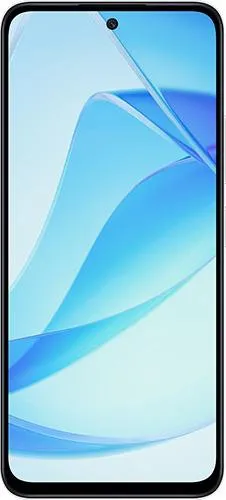
| Feature | Xiaomi Redmi 12 5G | Honor X7b | Practical Impact | |||||
|---|---|---|---|---|---|---|---|---|
| Design | ||||||||
| Dimensions | 168.6 x 76.3 x 8.2 mm | 166.7 x 76.5 x 8.2 mm | Virtually identical in size and feel. | |||||
| Weight | 199 g | 199 g | Same weight. | |||||
| Display | ||||||||
| Display Size | 6.79" | 6.8" | Negligible difference in screen real estate. | |||||
| Display Type | IPS LCD, 90Hz | IPS LCD, 90Hz | Both offer smooth scrolling and good color reproduction, though viewing angles might be limited compared to OLED. | |||||
| Resolution | 1080 x 2460 | 1080 x 2412 | Very similar pixel density, resulting in comparable sharpness. Redmi 12 5G is slightly sharper due to higher resolution. | |||||
| Peak Brightness | N/A | 850 nits | Honor X7b will be significantly more readable in direct sunlight. Lack of data for Redmi 12 prevents full comparison. | |||||
| Refresh Rate | 90Hz | 90Hz | Both offer smooth scrolling and animations. | |||||
| Performance | ||||||||
| Chipset | Snapdragon 4 Gen 2 | Snapdragon 680 4G | Snapdragon 4 Gen 2 offers better CPU performance and efficiency due to newer architecture and smaller manufacturing process (4nm vs 6nm). | |||||
| CPU | Octa-core (2x2.2 GHz Cortex-A78 & 6x1.95 GHz Cortex-A55) | Octa-core (4x2.4 GHz Kryo 265 Gold & 4x1.9 GHz Kryo 265 Silver) | Redmi 12 5G likely has a performance advantage due to faster clock speeds and more powerful cores. | |||||
| GPU | Adreno 613 | Adreno 610 | Redmi 12 5G's GPU offers slightly better graphical performance. | |||||
| RAM/Storage | 128GB/6GB | 256GB/6GB, 128GB/8GB | Honor X7b offers more storage options; 8GB RAM variant may provide smoother multitasking. | |||||
| Connectivity | ||||||||
| 5G | Yes | No | Redmi 12 5G offers faster cellular data speeds where available. | |||||
| NFC | No | Yes | Honor X7b allows for contactless payments and data transfer. | Battery | 5000 mAh | 5330 mAh | Honor X7b has a larger battery capacity, potentially offering longer battery life. | |
| Other | ||||||||
| OS | Android 13 | Android 13 | Both run the latest Android version. | |||||
| Sensors | Accelerometer, Compass, Fingerprint (side-mounted) | Accelerometer, Fingerprint (side-mounted) | Redmi 12 has a compass sensor which X7b lacks. Otherwise sensor setups are comparable. |
2. Key Differences Analysis
Xiaomi Redmi 12 5G Advantages:
- Superior Performance: The newer Snapdragon 4 Gen 2 chip offers a noticeable performance advantage in day-to-day tasks, gaming, and multitasking.
- 5G Connectivity: Future-proofs the device for faster data speeds.
- Slightly Sharper Display: Higher resolution results in slightly crisper visuals.
Honor X7b Advantages:
- Brighter Display: Significantly better outdoor visibility.
- Larger Battery: Potentially longer battery life.
- NFC: Enables contactless payments and other NFC functionalities.
- More Storage Options: Provides flexibility for users needing more storage.
3. User Profiles & Recommendations
Xiaomi Redmi 12 5G: Ideal for users who prioritize performance, future-proof connectivity, and value for money. Best suited for:
- Budget-conscious gamers
- Users in areas with 5G coverage
- Those who prioritize speed and responsiveness
Honor X7b: Suitable for users who prioritize battery life, outdoor visibility, and contactless payments. Best suited for:
- Heavy media consumers
- Users who frequently use their phones outdoors
- Those who rely on NFC for payments or other tasks
4. Decision Framework
Key Questions for Buyers:
- Is 5G connectivity crucial? If yes, the Redmi 12 5G is the only option.
- How important is battery life? If this is a top priority, the Honor X7b's larger battery may be preferable.
- Do you frequently use your phone outdoors in bright sunlight? The Honor X7b's brighter display will be a major advantage.
My Choice: Xiaomi Redmi 12 5G
While the Honor X7b offers a brighter display, larger battery, and NFC, the Xiaomi Redmi 12 5G's superior performance and 5G connectivity are more compelling for my needs. The performance difference offered by the Snapdragon 4 Gen 2 over the Snapdragon 680 will result in a more fluid and responsive user experience in the long run. I prioritize speed and future-proofing over a slightly larger battery and NFC functionality. While the lack of peak brightness data for the Redmi 12 is a concern, I am willing to accept a potentially dimmer screen for the performance gains. The slightly sharper screen is also a plus. Finally, access to 5G networks is important for future-proofing.
