1. Specifications Comparison
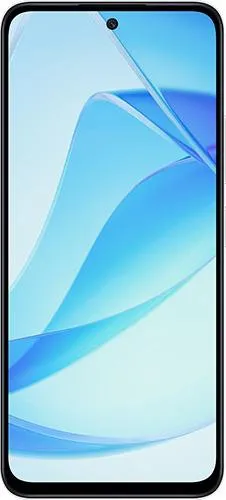
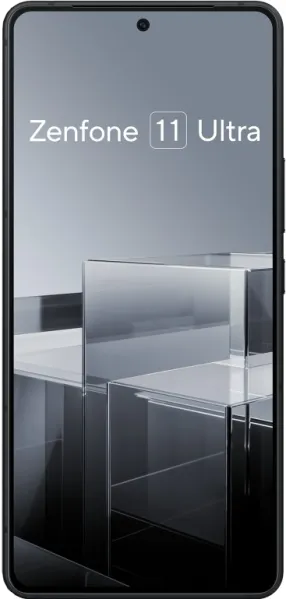
| Feature | Xiaomi Redmi 12 5G | Asus Zenfone 11 Ultra | Practical Impact |
|---|---|---|---|
| Design | |||
| Dimensions | 168.6 x 76.3 x 8.2 mm | 163.8 x 76.8 x 8.9 mm | Zenfone 11 Ultra is slightly shorter, wider, and thicker. Negligible difference in everyday use. |
| Weight | 199g | 224g | Redmi 12 5G is noticeably lighter, reducing hand fatigue during extended use. |
| Build Materials | Not specified | Not specified | Cannot compare build quality and durability without material information. |
| Display | |||
| Display Type | IPS LCD, 90Hz | LTPO AMOLED, 144Hz | Zenfone 11 Ultra offers superior contrast, deeper blacks, and smoother scrolling due to AMOLED and higher refresh rate. |
| Size | 6.79" | 6.78" | Negligible size difference. |
| Resolution | 1080 x 2460 | 1080 x 2400 | Virtually identical pixel density; sharpness will be similar. |
| Peak Brightness | Not specified | 2500 nits | Zenfone 11 Ultra will be significantly more readable in direct sunlight. Missing Redmi 12 5G peak brightness limits comparison. |
| Performance | |||
| Chipset | Snapdragon 4 Gen 2 | Snapdragon 8 Gen 3 | Zenfone 11 Ultra boasts significantly more powerful CPU and GPU, resulting in much faster performance for demanding tasks and gaming. |
| CPU | Octa-core (2x2.2 GHz Cortex-A78 & 6x1.95 GHz Cortex-A55) | Octa-core (1x3.3 GHz Cortex-X4 & 3x3.2 GHz Cortex-A720 & 2x3.0 GHz Cortex-A720 & 2x2.3 GHz Cortex-A520) | Zenfone 11 Ultra's newer and higher-clocked CPU architecture delivers superior performance. |
| RAM | 6GB | 16GB | Zenfone 11 Ultra allows for significantly more apps to run in the background without performance slowdown and enables smoother multitasking. |
| Storage | 128GB | 512GB | Zenfone 11 Ultra offers much more storage for apps, photos, videos, and other files. |
| Camera | |||
| Video Capabilities | 1080p@30fps | Up to 8K@24fps and 720p@480fps | Zenfone 11 Ultra offers significantly more versatile and higher resolution video recording capabilities including slow-motion and 8K. |
| Specific Sensor details | Missing | Missing | Cannot compare image quality, low light performance, and features without detailed camera sensor specifications. |
| Battery | |||
| Capacity | 5000 mAh | 5500 mAh | Zenfone 11 Ultra has a slightly larger battery capacity, but real-world battery life depends on other factors like display and chipset efficiency. |
2. Key Differences Analysis
Xiaomi Redmi 12 5G Advantages:
- Lighter Weight: More comfortable for extended use.
- Potentially Lower Price: Likely more budget-friendly given the lower-end specs (though specific pricing isn't available).
Asus Zenfone 11 Ultra Advantages:
- Significantly More Powerful: Superior performance for gaming, multitasking, and demanding applications.
- Brighter and Smoother Display: Better outdoor visibility and a more fluid user experience.
- Larger Storage: Ample space for apps, media, and files.
- More Versatile Camera: Higher resolution and frame rate video recording options.
- Larger Battery: Potentially longer battery life.
- NFC: Enables contactless payments and device pairing.
Trade-offs:
- Zenfone 11 Ultra: Higher price, heavier weight.
- Redmi 12 5G: Lower performance, less impressive display, limited storage.
3. User Profiles & Recommendations
Redmi 12 5G: Budget-conscious users prioritizing basic communication, web browsing, and light media consumption.
Zenfone 11 Ultra: Power users, gamers, content creators, and those who prioritize top-tier performance, display, and camera capabilities.
4. Decision Framework
Key Questions:
- What is your budget?
- What are your primary smartphone use cases?
- How important are performance, display quality, and camera capabilities to you?
Scenario-Based Recommendations:
- Tight Budget, Basic Use: Redmi 12 5G
- Demanding Tasks, Gaming, Content Creation: Zenfone 11 Ultra
- Balance of Price and Performance: Consider other options with mid-range specs and pricing.
My Choice: Asus Zenfone 11 Ultra
While the "medium price" designation for both phones lacks specific pricing information, the Zenfone 11 Ultra offers a significantly superior package overall. The Snapdragon 8 Gen 3, coupled with 16GB RAM and a 144Hz AMOLED display, ensures a smooth and responsive experience for any task. The superior camera capabilities and larger battery further solidify its position as the more compelling device. While heavier and potentially more expensive, the long-term benefits of the Zenfone 11 Ultra's performance and features outweigh the drawbacks for me. I prioritize a smooth user experience and future-proofing my device, and the Zenfone 11 Ultra clearly delivers in these areas.
