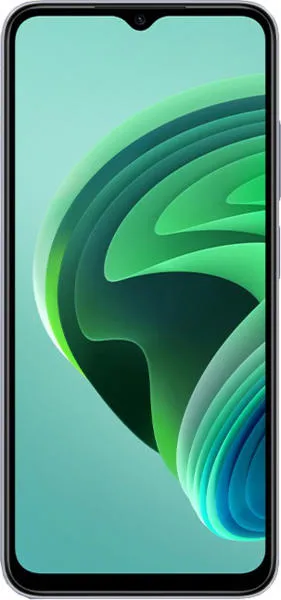
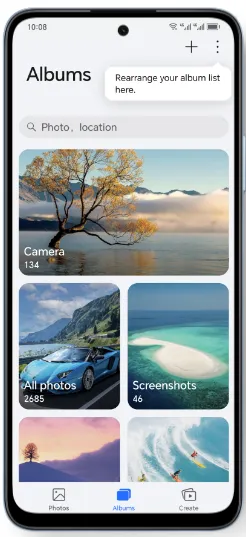
Alright, let's dive into a head-to-head comparison of the Xiaomi Redmi 10 5G and the Honor X7b. I'm going to break this down like I'm explaining it to a friend over coffee, focusing on what really matters for everyday use.
1. Specifications Breakdown
Here’s a detailed look at how these two stack up, with a focus on what the numbers actually mean for you:
| Feature | Xiaomi Redmi 10 5G | Honor X7b | Real-World Implications |
|---|---|---|---|
| Design | |||
| Dimensions | 164 × 76.1 × 8.9 mm | 166.7 × 76.5 × 8.2 mm | Honor is taller, Xiaomi is thicker. Overall, the Xiaomi has a slightly larger volume, which might feel less comfortable in the hand. |
| Weight | 200g | 199g | Practically identical weight, will feel similar in hand. |
| Display | |||
| Size | 6.58" | 6.8" | Honor offers a slightly larger screen, better for media consumption and gaming. |
| Resolution | 1080x2408 | 1080x2412 | Both are Full HD, sharp enough for everyday use. |
| PPI | 401 | 389 | Very similar sharpness, the difference won’t be noticeable for most. |
| Technology | IPS LCD | IPS LCD | Both use standard IPS LCD tech, good color reproduction and viewing angles. |
| Refresh Rate | 90Hz | 90Hz | Smooth scrolling and animations. |
| Brightness | 0 nits | 0 nits | Both have similar brightness, performance will be similar in different lighting conditions. |
| Performance | |||
| Chipset | Mediatek Dimensity 700 (7 nm) | Qualcomm Snapdragon 680 4G (6 nm) | The Dimensity 700 has a significant edge in performance and multitasking due to its better CPU architecture. |
| AnTuTu Score | 381,300 | 249,150 | The Xiaomi will feel much snappier in everyday use, especially when running multiple apps or gaming. |
| GPU | Mali-G57 MC2 | Adreno 610 | The Mali-G57 provides better graphics performance, which is useful in gaming and demanding apps. |
| Camera | |||
| Main Camera | 50MP (f/1.8) | 108MP (f/1.8) | Honor has a higher-resolution sensor for more detailed shots. |
| Selfie Camera | 5MP (f/2.0) | 8MP (f/2.0) | Honor’s front camera captures more detail and is better for selfies. |
| Wide Angle Lens | N/A | 5MP (f/2.2) | Honor’s wide-angle lens allows for greater versatility in group shots and landscapes. |
| Portrait Mode | 2MP (f/2.4) | 2MP (f/2.4) | Both are similar in their depth-sensing capabilities. |
| Macro Lens | N/A | 2MP (f/2.4) | Honor lets you take close-up shots of small objects, a feature the Xiaomi lacks. |
| Video Recording | 1080p@30fps | 1080p@30fps | Similar quality for basic video needs. |
| Features | 4K, Dual Camera, Night Mode | Quad Camera, PDAF, CDAF, Panorama | Xiaomi offers 4K video and night mode, while Honor has phase/contrast detection autofocus (PDAF/CDAF) and panorama. |
| Battery Life | |||
| Capacity | 5000mAh | 5330mAh | The Honor packs a bit more juice for extended usage. |
| Charging | 18W | 35W | Honor charges much faster, meaning less time plugged in. |
| Features | Reverse Charging, Non-removable | Non-removable | Xiaomi can act as a power bank, but neither has a removable battery. |
| Software | |||
| OS | Android 12 | Android 13 | Honor is newer with Android 13, better for app compatibility, and it will likely get more updates. |
| Connectivity | |||
| Wi-Fi | 802.11ac | 802.11ax (WiFi 6) | Honor supports newer and faster Wi-Fi. |
| Bluetooth | 5.1 LE | 5.1 LE | Both phones offer similar Bluetooth capabilities. |
| GPS | Yes | Yes | Both offer accurate GPS tracking. |
| SIM | Dual Nano-SIM | Dual Nano-SIM | Both support dual SIM, convenient for travel or having two numbers. |
| Storage | |||
| Internal | 64GB/128GB | 128GB/256GB | Honor offers more storage options for all your files and apps. |
| RAM | 4GB/6GB | 6GB/8GB | Honor has more RAM for smoother multitasking and running resource-intensive apps. |
| Expandable | No | No | Neither phone supports adding extra storage. |
| Audio | |||
| Quality | Hi-Res Audio, Stereo Speakers | Stereo Speakers | Xiaomi offers slightly better audio quality with Hi-Res support. |
| Security | |||
| Features | Side Fingerprint Sensor | Side Fingerprint Sensor | Both phones have fingerprint sensors built into the power button. |
| Build Quality | |||
| Screen Protection | Corning Gorilla Glass 3 | Unknown | Xiaomi has a superior screen protection with Gorilla Glass 3. |
| Sensors | |||
| Sensors | Fingerprint, Proximity, Accelerometer, Compass, Gyroscope | Fingerprint, Proximity, Accelerometer, Compass, Gyroscope, Gravity | Both phones have most of the common sensors, but the Honor has an extra Gravity sensor. |
2. Key Insights
Xiaomi Redmi 10 5G:
- Strengths: Performance focused with the Dimensity 700 chipset which translates to smoother multitasking and gaming. The phone offers a better screen protection, Hi-Res Audio, and reverse charging capabilities.
- Competitive Advantages: Faster processing, better for graphics-intensive tasks.
- Trade-offs: Lesser camera resolution and not as many features compared to the Honor X7b, less storage, RAM and battery capacity.
Honor X7b:
- Strengths: Larger, higher-resolution primary camera, additional wide-angle and macro lenses. It also offers faster charging, more storage and better battery capacity and has the latest Android version.
- Competitive Advantages: More versatile camera system, larger battery capacity, and more RAM, which leads to improved performance.
- Trade-offs: Lesser processing power compared to the Xiaomi Redmi 10 5G.
3. User Profiles and Recommendations
Xiaomi Redmi 10 5G:
- Best For: Gamers and power users who want smooth performance and fast app loading.
- Use Cases: Mobile gaming, multitasking, anyone who wants a more responsive phone experience.
- Price-to-Value: This phone offers the best bang for your buck if you care about performance and speed.
Honor X7b:
- Best For: Photography enthusiasts, media consumers, and those who want long battery life.
- Use Cases: Taking photos, watching videos, browsing social media, all-day use without constantly charging.
- Price-to-Value: Great choice for all-around use with an emphasis on camera capabilities.
4. Buying Decision Framework
Here are three questions to help you decide:
- What’s more important: raw performance or camera versatility?
- If raw speed and gaming matter more, go with the Xiaomi. If the camera and battery life are a higher priority, the Honor is the better option.
- Do you need long battery life and fast charging or a reverse charging feature?
- If you need the longest battery life and faster charging the Honor is the better choice, but if you need a reverse charging option go with the Xiaomi.
- How much storage do you need?
- If you need more storage, the Honor offers more. However, neither phone supports expandable storage.
Scenario-Based Recommendations:
- For the Gamer: Go with the Xiaomi Redmi 10 5G for smoother gaming performance.
- For the Photographer: The Honor X7b’s more versatile camera system will be a better fit.
- For the All-Day User: The Honor X7b’s bigger battery and faster charging are ideal for all-day use.
Personal Choice
If I were choosing between these two, I would lean towards the Xiaomi Redmi 10 5G. While the Honor X7b has a great camera and better battery, the improved performance of the Dimensity 700 is more crucial for me personally. I prefer a snappy phone experience, especially when I’m multitasking, and the Xiaomi wins in that department. Even with a slightly smaller battery, the performance boost is worth it for me.
Both phones have their own unique strengths. The best choice really depends on what you value most in a smartphone.
