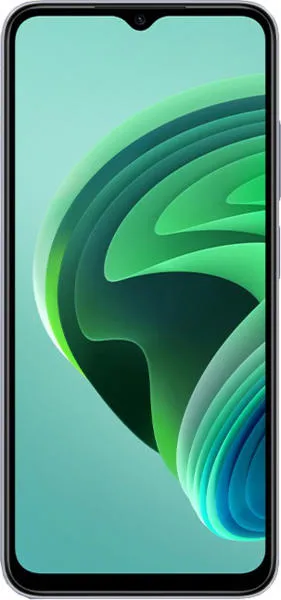
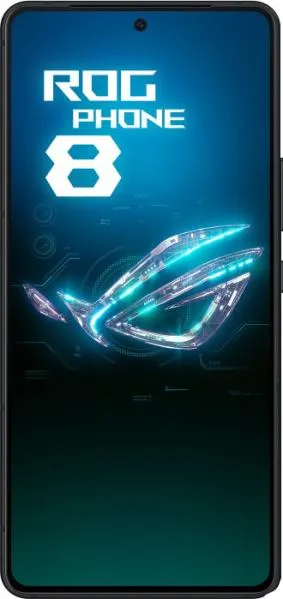
Okay, let's dive into a detailed comparison of the Xiaomi Redmi 10 5G and the Asus ROG Phone 8. We'll dissect their specs, explore real-world implications, and help you figure out which one might be the right fit for you.
1. Specifications Breakdown
Here's a breakdown of their specs, focusing on what they mean for you:
| Feature | Xiaomi Redmi 10 5G | Asus ROG Phone 8 | Real-World Implications |
|---|---|---|---|
| DESIGN | |||
| Dimensions | 164 × 76.1 × 8.9 mm, 200g | 163.8 × 76.8 × 8.9 mm, 225g | Both have similar dimensions, but the Redmi is noticeably lighter, which makes it more comfortable for prolonged use. The ROG Phone is a bit heavier which can give a more robust feel. |
| Build Quality | Corning Gorilla Glass 3 | Corning Gorilla Glass Victus 2 | The ROG Phone's screen has superior protection against scratches and drops, making it more durable for active users. |
| DISPLAY | |||
| Size | 6.58" | 6.78" | The ROG Phone offers a slightly larger display, which could be more immersive for media consumption and gaming, but the difference is small. |
| Resolution | 1080 x 2408 | 1080 x 2400 | Very similar pixel density resulting in comparable clarity of the screen. |
| Technology | IPS LCD | AMOLED | The ROG Phone's AMOLED display will provide much better contrast, deeper blacks, and more vibrant colours compared to the Redmi's LCD panel, making it superior for media consumption. |
| Refresh Rate | 90Hz | 165Hz | The ROG Phone has a much smoother screen and reduces motion blur when playing games or scrolling. |
| Brightness | 0 nits | 2500 nits | The ROG Phone's screen is vastly brighter, making it much more visible outdoors in bright sunlight. |
| PERFORMANCE | |||
| Chipset | Mediatek Dimensity 700 (7 nm) | Qualcomm Snapdragon 8 Gen 3 (4 nm) | The ROG Phone's high-end chipset is several times more powerful for faster app loading, smoother multitasking, and high-end gaming capabilities, while the Redmi is suitable for basic tasks. |
| AnTuTu Score | 381,300 | 2,020,000 | The ROG Phone achieves much higher benchmark scores, indicating significantly faster overall performance. |
| GPU | Mali-G57 MC2 | Adreno 750 | The ROG Phone's GPU is much more powerful, enabling smoother, more visually stunning graphics for demanding apps and high-end games. |
| CAMERA | |||
| Main Camera | 50MP, f/1.8 | 50MP, f/1.9, 1/1.56" Sony IMX890 | The ROG Phone has a larger sensor and is expected to perform much better in low-light. |
| Selfie Camera | 5MP, f/2.0 | 32MP | The ROG Phone has a much higher resolution selfie camera and will produce more detailed images and videos. |
| Depth Sensor | 2MP, f/2.4 | None | Redmi has an extra dedicated depth sensor which can aid in portrait mode images, although the quality might not be the best. |
| Macro Lens | None | 5MP, f/2.4 | The ROG Phone has a macro camera to take close-up detailed images, which is missing in the Redmi. |
| Wide-angle Lens | None | 13MP, f/2.2 | The ROG Phone has a wide-angle lens to take landscape photos, which is missing in the Redmi. |
| Video Recording | 1080p@30fps, no stabilization | 8K@24fps, 4K@60fps, with HDR and EIS | The ROG Phone offers much higher resolution video recording, advanced stabilization, and slow-motion capabilities, suited for professional video creators. |
| Camera Features | Dual camera | Triple Camera, OIS, Gimbal | ROG Phone has better camera capabilities due to OIS and Gimbal, and an extra wide lens. |
| BATTERY LIFE | |||
| Capacity | 5000mAh | 5500mAh | The ROG Phone has a larger battery, which should translate to slightly longer battery life, although the more powerful hardware might balance that out. |
| Charging | 18W Fast Charging | 65W Fast Charging | The ROG Phone has dramatically faster charging speed, allowing you to quickly top up the battery. |
| Features | Reverse charging | None | Only the Redmi has the reverse charging capabilities. |
| SOFTWARE | |||
| OS | Android 12 | Android 14 | The ROG Phone runs a newer version of Android and will receive future updates, and is generally better for more recent features and security. |
| CONNECTIVITY | |||
| WiFi | Wi-Fi 5 | Wi-Fi 7 | The ROG Phone supports newer Wi-Fi standards, resulting in faster speeds and better network performance. |
| Bluetooth | Bluetooth 5.1 | Bluetooth 5.3 | The ROG Phone has a newer Bluetooth version with advanced audio codecs. |
| GPS | GPS, A-GPS, GLONASS, Beidou, Galileo | A-GPS, GLONASS, Beidou, QZSS, GPS (L1+L5), GLONASS (L1), BeiDou (B1), Galileo (E1+E5a), BeiDou (B2), NavIC System, QZSS (L1 + L5) | The ROG Phone supports a wider array of satellite navigation systems, giving more accurate location services. |
| STORAGE | |||
| Internal Storage | 64GB/128GB | 256GB | The ROG Phone has a much larger storage capacity for storing more files. |
| RAM | 4GB/6GB | 12GB/16GB | The ROG Phone offers much more RAM, enabling smoother multitasking and gaming performance. |
| Expandable Storage | No | No | Neither phone supports expandable storage, making the internal storage options more important. |
| AUDIO | |||
| Audio Quality | Hi-Res Audio, Stereo Speakers | DTS / DTS X, Stereo Speakers, 3 microphones | ROG Phone has better audio codecs and more microphones for better sound recording. |
| SECURITY | |||
| Features | side-mounted fingerprint sensor | basic fingerprint sensor | The Redmi 10 5G has a more advanced side-mounted fingerprint sensor |
| SENSORS | |||
| Sensors | Accelerometer, Compass, Gyroscope | Accelerometer, Compass, Gyroscope, Gravity | ROG Phone has more sensors, which makes it suitable for gaming. |
2. Key Insights
Xiaomi Redmi 10 5G: This phone is a budget-friendly option that offers 5G connectivity and a decent display. However, it compromises on performance, camera quality, and display technology compared to the ROG Phone. Its strengths lie in its light weight, large battery, and side-mounted fingerprint sensor.
Asus ROG Phone 8: This phone is a high-end gaming smartphone built for performance, with a top-tier processor, a vibrant AMOLED display with 165Hz refresh rate, and an advanced camera setup. It delivers a superior experience in terms of gaming, media consumption, and overall performance. However, it's bulkier and heavier and comes at a premium price.
3. User Profiles and Recommendations
Xiaomi Redmi 10 5G:
- Ideal User: Budget-conscious users looking for a reliable phone for daily tasks, browsing, social media, and occasional media consumption.
- Use Cases:
- Everyday communication and social media.
- Basic productivity tasks.
- Light gaming.
- Users looking for good battery life at a reasonable price.
Asus ROG Phone 8:
- Ideal User: Mobile gamers, tech enthusiasts, and those who demand the best performance, a premium display and photography.
- Use Cases:
- High-end mobile gaming, with fast frame rates and detailed graphics.
- Professional photo and video editing.
- Demanding multitasking with many apps.
- Users who want excellent media consumption.
4. Buying Decision Framework
To help you choose, consider these questions:
- What's Your Primary Use Case? If gaming and performance are paramount, the ROG Phone is a no-brainer. If you need a phone for basic day-to-day tasks, the Redmi will do the job.
- What's Your Budget? If price is a primary concern, the Redmi is much more affordable. The ROG Phone is a premium device and comes at a premium price.
- How Much Do You Value Display and Camera Quality? If you value display quality and want to take excellent pictures and videos, the ROG Phone's AMOLED and advanced camera system are well worth the price.
Scenario-Based Recommendations:
- Budget-Conscious User: Go with the Xiaomi Redmi 10 5G for a reliable smartphone that gets the basics right.
- Casual Gamer/Everyday User: The Xiaomi Redmi 10 5G will be a suitable choice, but the ROG Phone 8 will provide a more advanced gaming experience.
- Gaming Enthusiast/Power User: The Asus ROG Phone 8 is a significantly better option with its high performance, advanced display, and better camera system.
- Professional Photographer/Videographer: The ROG Phone 8 offers higher quality video capture capabilities.
My Pick: Asus ROG Phone 8
If I had to choose, I'd go for the Asus ROG Phone 8. Here's why:
As a tech enthusiast, I value a device that pushes the boundaries of what's possible. The ROG Phone 8 not only excels in the gaming realm but also delivers an exceptionally smooth and vibrant display, top-tier performance, and a capable camera system, all of which enhance the overall user experience. Although the price point is definitely higher, the performance gains and extra features make this the device I would choose.
