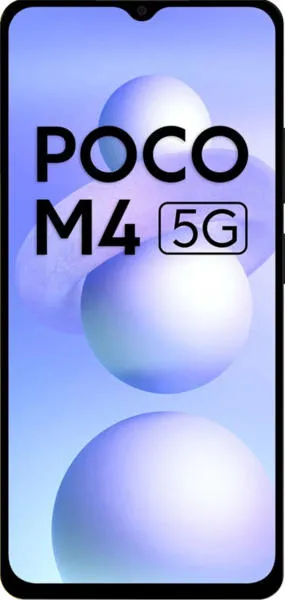
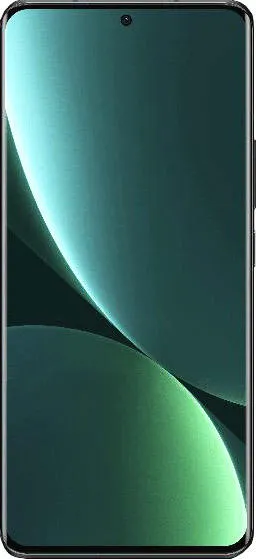
Xiaomi Poco M4 5G vs. Xiaomi 13 Pro: A Deep Dive
Let's dissect the Xiaomi Poco M4 5G and the Xiaomi 13 Pro, two phones occupying distinct tiers in the smartphone ecosystem. My goal is to give you a clear understanding of not just what these phones offer, but how those specs translate to your daily life.
1. Specifications Breakdown
| Feature | Xiaomi Poco M4 5G | Xiaomi 13 Pro | Real-World Implications |
|---|---|---|---|
| Design | |||
| Dimensions (mm) | 164 x 76.1 x 8.9 | 162.9 x 74.6 x 8.4 | Poco M4 5G is slightly larger; 13 Pro feels more premium due to slimmer profile. |
| Weight (g) | 200 | 210 | Negligible difference in weight; both comfortable for one-handed use. |
| Build Materials | Plastic | Glass & Aluminum | 13 Pro offers superior durability and a more premium in-hand feel. |
| Display | |||
| Type | IPS LCD | LTPO AMOLED | 13 Pro delivers significantly richer colors, deeper blacks, and better power efficiency. |
| Size | 6.58" | 6.73" | 13 Pro offers a slightly larger screen for more immersive content consumption. |
| Resolution | 1080 x 2408 | 1440 x 3200 | 13 Pro boasts much sharper visuals due to higher resolution (QHD+ vs. FHD+). |
| Refresh Rate | 90Hz | 120Hz | 13 Pro provides smoother scrolling and animations for a more fluid user experience. |
| Performance | |||
| Chipset | Dimensity 700 | Snapdragon 8 Gen 2 | 13 Pro offers vastly superior processing power for demanding tasks and gaming. |
| CPU | Octa-core (2.2 GHz) | Octa-core (3.2 GHz) | 13 Pro's Cortex-X3 core delivers a significant performance leap, resulting in faster app launches and multitasking. |
| GPU | Mali-G57 MC2 | Adreno 740 | 13 Pro's GPU handles graphically intensive applications and games with ease. |
| RAM | 4/6GB | 12GB | 13 Pro's larger RAM ensures seamless multitasking and smooth performance even with heavy usage. |
| Camera | |||
| Main Lens | 50MP | 50MP (1-inch sensor) | 13 Pro uses a larger sensor, capturing significantly more light for superior image quality, especially in low light. |
| Ultrawide | N/A | 50MP | 13 Pro includes an ultrawide lens for expansive landscape shots. |
| Telephoto | N/A | 50MP | 13 Pro features a telephoto lens for optical zoom capabilities. |
| Battery Life | |||
| Capacity | 5000 mAh | 4820 mAh | Poco M4 5G likely offers longer battery life due to larger capacity and less power-hungry components. |
| Charging | 18W | 120W | 13 Pro charges dramatically faster, replenishing the battery in minutes. |
2. Key Insights
The Poco M4 5G is a budget-friendly device prioritizing battery life and essential functionality. It's adequate for everyday tasks like browsing, social media, and casual gaming, but its performance will struggle with more demanding applications.
The Xiaomi 13 Pro, on the other hand, is a flagship powerhouse. Its cutting-edge processor, stunning display, and advanced camera system deliver a premium user experience across the board. You'll notice the difference in speed, responsiveness, and overall quality in every interaction.
3. User Profiles and Recommendations
Poco M4 5G: Ideal for budget-conscious users who prioritize battery life and reliable connectivity. Students, casual users, and those seeking a secondary device would find this phone suitable.
Xiaomi 13 Pro: Perfect for power users, mobile gamers, photography enthusiasts, and anyone who demands top-tier performance and features. If you want the best Android experience available, this is a strong contender.
4. Buying Decision Framework
- What's your budget? The Poco M4 5G offers excellent value for its price, while the 13 Pro commands a flagship price tag.
- What are your primary phone usage patterns? For basic tasks, the Poco M4 5G suffices. For demanding applications and gaming, the 13 Pro is a necessity.
- How important are camera quality and display to you? The 13 Pro significantly outperforms the Poco M4 5G in both areas.
My Choice: Xiaomi 13 Pro
While the Poco M4 5G represents excellent value, I'd choose the Xiaomi 13 Pro. As a tech journalist who constantly pushes devices to their limits, I need the raw power and cutting-edge features the 13 Pro offers. The superior display, camera capabilities, and blazing-fast performance are essential for my work. While battery life might be slightly less than the Poco M4 5G, the 120W fast charging mitigates that concern. The 13 Pro is an investment in a truly premium mobile experience that aligns with my needs and priorities.
