Xiaomi Poco M4 5G vs. Asus ROG Phone 8: A Deep Dive
Let's dissect these two phones, the Xiaomi Poco M4 5G and the Asus ROG Phone 8, to see what they offer and who they're best for. We'll go beyond the spec sheet to understand how these devices perform in the real world.
1. Specifications Breakdown
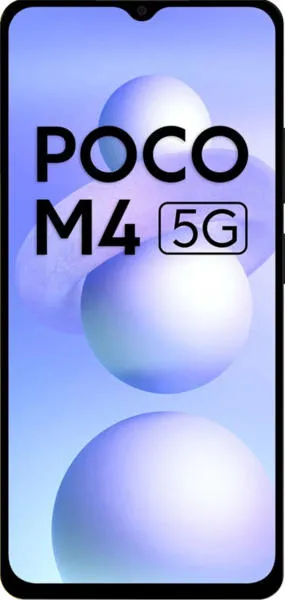
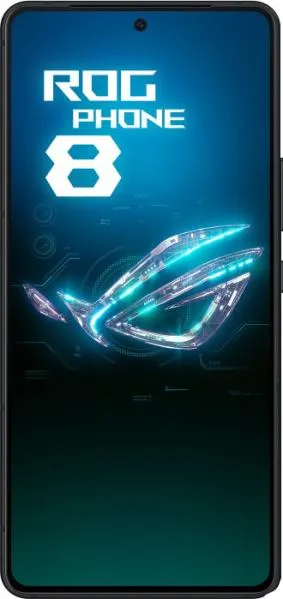
| Feature | Xiaomi Poco M4 5G | Asus ROG Phone 8 | Real-World Implications |
|---|---|---|---|
| Design | |||
| Dimensions (mm) | 164 x 76.1 x 8.9 | 163.8 x 76.8 x 8.9 | Poco M4 slightly taller; both nearly identical in width and thickness. |
| Weight (g) | 200 | 225 | ROG Phone 8 noticeably heavier, potentially impacting one-handed use. |
| Build Materials | Plastic | Glass & Metal | ROG Phone 8 likely feels more premium and durable. |
| Display | |||
| Type | IPS LCD | LTPO AMOLED | ROG Phone 8: Richer colors, deeper blacks, better power efficiency due to LTPO. |
| Refresh Rate (Hz) | 90 | 165 | ROG Phone 8: Significantly smoother scrolling and animations, especially noticeable in gaming. |
| Peak Brightness | Unspecified | 2500 nits | ROG Phone 8: Superior outdoor visibility. |
| Performance | |||
| Chipset | Dimensity 700 | Snapdragon 8 Gen 3 | ROG Phone 8: Vastly more powerful, enabling demanding gaming, multitasking, and faster app loading. |
| CPU | Octa-core | Octa-core | ROG Phone 8: Superior core configuration for high-performance tasks. |
| GPU | Mali-G57 MC2 | Adreno 750 | ROG Phone 8: Significantly better graphics performance for gaming and graphically intensive applications. |
| RAM | 4/6GB | 12/16GB | ROG Phone 8: Much more RAM for seamless multitasking and keeping apps open in the background. |
| Camera | |||
| Main Camera | 50MP | 50MP (Sony IMX890) | ROG Phone 8: Likely better low-light performance and overall image quality due to superior sensor. |
| Video Recording | 1080p@30fps | 8K@24fps | ROG Phone 8: Significantly higher resolution video recording capabilities. |
| Battery | |||
| Capacity (mAh) | 5000 | 5500 | ROG Phone 8: Larger battery, but heavier hardware could offset this advantage. |
2. Key Insights
The ROG Phone 8 is a flagship gaming phone, built for power and performance. Its cutting-edge Snapdragon 8 Gen 3 processor, high refresh rate AMOLED display, and advanced cooling solutions are designed for the most demanding mobile gamers. The Poco M4 5G is a budget-friendly device prioritizing affordability. It offers decent performance for everyday tasks but can't compete with the ROG Phone 8's raw power.
Real-World Differences: You'll feel the difference launching apps, playing games, and multitasking. The ROG Phone 8 will be lightning fast, while the Poco M4 5G will show noticeable lag with demanding tasks. The ROG Phone 8's superior display offers a visually stunning experience with vibrant colors and smooth animations.
3. User Profiles and Recommendations
- ROG Phone 8: Mobile gamers, power users, content creators who demand top-tier performance and a premium multimedia experience.
- Poco M4 5G: Budget-conscious users who prioritize affordability and reliable performance for everyday tasks like browsing, social media, and light gaming.
4. Buying Decision Framework
- What is your budget? The ROG Phone 8 is significantly more expensive.
- What are your primary use cases? For gaming and demanding tasks, the ROG Phone 8 is the clear winner. For basic use, the Poco M4 5G is sufficient.
- How important is display quality? The ROG Phone 8's AMOLED display offers a superior visual experience.
My Choice: Asus ROG Phone 8
While the Poco M4 5G is a respectable budget option, I would choose the Asus ROG Phone 8. As a tech enthusiast and someone who appreciates cutting-edge technology, the ROG Phone 8's superior performance, stunning display, and future-proof features are compelling. The significant jump in processing power, the gorgeous AMOLED screen with its incredibly fast refresh rate, and the advanced camera capabilities make it a clear winner for me. I value a smooth and responsive user experience, and the ROG Phone 8 delivers that in spades. While the price is higher, the investment is justified for the long-term performance and enjoyment it provides. The Poco M4 5G serves its purpose well for budget-conscious buyers, but it simply doesn't offer the same level of excitement and future-proofing as the ROG Phone 8.
