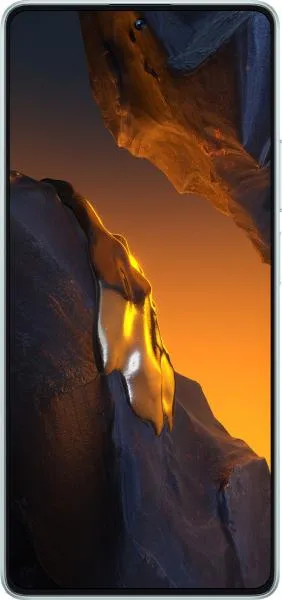

1. Specifications Comparison
| Feature | Xiaomi Poco F5 | Xiaomi 14T | Practical Impact |
|---|---|---|---|
| Design | |||
| Dimensions (mm) | 161.1 x 75 x 7.9 | 160.5 x 75.1 x 7.8 | Negligible size difference; both feel similar in hand. |
| Weight (g) | 181 | 193 | 14T is noticeably heavier, potentially impacting one-handed use. |
| Fingerprint Sensor | Side-mounted | Under-display | Preference-based; under-display feels more modern, side-mounted potentially faster and more reliable. |
| Display | |||
| Size (inches) | 6.67 | 6.67 | Same screen size. |
| Resolution (px) | 1080 x 2400 | 1220 x 2712 | 14T has a sharper display with higher pixel density, resulting in clearer text and images. |
| Refresh Rate (Hz) | 120 | 144 | 14T offers smoother animations and scrolling, especially noticeable in gaming and fast-paced content. |
| Peak Brightness (nits) | 1000 | 4000 | 14T's significantly higher peak brightness ensures better visibility outdoors and in bright conditions. HDR content will also pop more. |
| Performance | |||
| Chipset | Snapdragon 7+ Gen 2 | Dimensity 8300 Ultra | Both are powerful mid-range chipsets, but benchmarks suggest the Dimensity 8300 Ultra offers a slight performance edge. |
| CPU | Octa-core | Octa-core | Both offer excellent multi-tasking capabilities. Clock speed comparison is complicated by different core architectures, requiring benchmarks for accurate assessment. |
| GPU | Adreno 725 | Mali G615-MC6 | Adreno 725 generally performs better in gaming, though real-world differences may vary. Requires further gaming benchmarks for detailed comparison. |
| RAM (GB) | 8/12 | 12 | 14T offers more RAM in the compared variant, benefiting heavy multi-tasking and demanding applications. |
| Camera | |||
| Main Camera (MP) | 64 | 50 | Megapixel count isn't everything; 14T uses a larger sensor (Sony IMX906) generally known for better low-light performance and dynamic range. |
| Ultrawide (MP) | 8 | 13 | 14T offers a higher resolution ultrawide camera. |
| Telephoto | None | 50x (Digital Zoom) | 14T boasts a dedicated telephoto lens for optical zoom, enabling clearer zoomed-in shots compared to Poco F5's digital zoom. |
| Video | 4K@30fps | 4K@60fps with HDR, EIS | 14T supports higher resolution and frame rate video recording with HDR and improved stabilization. |
| Battery | |||
| Capacity (mAh) | 5000 | 5000 | Same battery capacity. Real-world battery life depends on usage and optimization, not just capacity. |
2. Key Differences Analysis
Xiaomi Poco F5 Advantages:
- Lighter: Easier for one-handed use and extended periods.
- Potentially Faster Fingerprint Sensor: Side-mounted sensors are often quicker and more reliable.
- Lower Price: Offers excellent value for its performance.
Xiaomi 14T Advantages:
- Sharper Display: Higher resolution and pixel density for a more detailed visual experience.
- Smoother Display: Higher refresh rate for fluid animations and scrolling.
- Brighter Display: Significantly brighter for better outdoor visibility.
- More Powerful Chipset: Potentially better performance in demanding tasks and gaming.
- More RAM: Enables smoother multitasking and handling of demanding applications.
- Superior Camera System: Larger main sensor, higher resolution ultrawide, and a dedicated telephoto lens with optical zoom provide significant advantages in various photography scenarios.
- More Advanced Video Recording: Higher resolution, frame rate, HDR and improved stabilization for better video quality.
- Wi-Fi 6E Support: Offers access to the less congested 6 GHz Wi-Fi band for faster speeds and lower latency (where available).
- Bluetooth 5.4: Slight improvements in connectivity and efficiency over Bluetooth 5.3.
3. User Profiles & Recommendations
Xiaomi Poco F5: Budget-conscious users prioritizing value for money, smooth performance, and a lightweight design. Ideal for:
- Casual Gamers: Handles most games well at medium settings.
- Social Media Users: Excellent for browsing, content consumption, and photography in good lighting conditions.
- Everyday Users: Meets the needs of most users for communication, web browsing, and light multitasking.
Xiaomi 14T: Users prioritizing a premium display, top-tier camera capabilities, and overall performance. Ideal for:
- Mobile Photographers and Videographers: Captures high-quality photos and videos in various conditions, including low light and zoomed shots.
- Power Users: Handles demanding tasks, multitasking, and gaming with ease.
- Content Creators: Excellent for editing photos and videos on the go.
4. Decision Framework
Key Questions:
- What is your budget? The Poco F5 offers significant value for its price, while the 14T commands a premium.
- What are your primary use cases? Prioritize camera quality and performance? Choose the 14T. Prioritize value and lightweight design? Choose the Poco F5.
- How important is display quality? The 14T's sharper, smoother, and brighter display significantly enhances the visual experience.
My Choice: Xiaomi 14T
While the Poco F5 offers excellent value, the Xiaomi 14T's superior display, camera system, and overall performance make it the better choice for me. The sharper, smoother, and incredibly bright display is a major selling point. The significant upgrade in camera hardware, including the telephoto lens, opens up more creative possibilities for photography. Although the 14T is heavier and more expensive, the improvements in key areas justify the premium for my needs. I value a great visual experience and capturing high-quality photos and videos, and the 14T delivers on both fronts.
