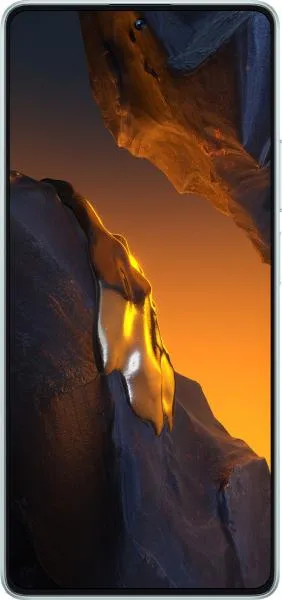

1. Specifications Comparison
| Feature | Xiaomi Poco F5 | Xiaomi 14 | Practical Impact |
|---|---|---|---|
| Design | |||
| Dimensions (mm) | 161.1 x 75 x 7.9 | 152.8 x 71.5 x 8.2 | Xiaomi 14 is noticeably smaller and slightly thicker. More pocketable and easier to handle one-handed. |
| Weight (g) | 181 | 188 | Negligible weight difference in real-world usage. |
| Build Material | Not specified | Not specified | Cannot compare build quality and durability without this information. |
| Display | |||
| Size (inches) | 6.67 | 6.36 | Poco F5 offers a larger screen for more immersive media consumption. Xiaomi 14 is more compact. |
| Resolution | 1080 x 2400 | 1200 x 2670 | Xiaomi 14 has a sharper display with higher pixel density (460 ppi vs 395 ppi), resulting in crisper text and images. |
| Refresh Rate | 120Hz | 120Hz | Both offer smooth scrolling and animations. |
| Panel Type | AMOLED | LTPO OLED | Xiaomi 14's LTPO panel allows for dynamic refresh rate adjustment, potentially saving battery life. |
| Peak Brightness | 1000 nits | 3000 nits | Xiaomi 14 offers significantly higher peak brightness, ensuring better visibility in direct sunlight. |
| Performance | |||
| Chipset | Snapdragon 7+ Gen 2 | Snapdragon 8 Gen 3 | Xiaomi 14 features a flagship-level processor, offering significantly better performance for demanding tasks and gaming. |
| CPU | Octa-core (up to 2.91 GHz) | Octa-core (up to 3.3 GHz) | Xiaomi 14's Cortex-X4 core and higher clock speeds provide a substantial performance advantage. |
| GPU | Adreno 725 | Adreno 750 | Xiaomi 14 has a more powerful GPU, delivering smoother gaming and faster graphics rendering. |
| RAM | 8/12GB | 12/16GB | Xiaomi 14 offers more RAM in its higher-end configurations, enabling better multitasking and app performance. |
| Camera | |||
| Main Camera | 64MP | 50MP | While Poco F5 has higher resolution, Xiaomi 14 uses a larger sensor (1/1.31") with a wider aperture (f/1.6), potentially capturing more light and detail in various conditions. Xiaomi 14 also has superior video capabilities (8K vs 4K). DxOMark score confirms Xiaomi 14's superior camera performance. |
| Ultrawide | 8MP | 50MP | Xiaomi 14 boasts a significantly better ultrawide camera with much higher resolution. |
| Telephoto | None | 50MP | Xiaomi 14 offers a dedicated telephoto lens for optical zoom, missing on the Poco F5. |
| Battery | |||
| Capacity | 5000 mAh | 4610 mAh | Poco F5 has a larger battery capacity, potentially offering longer battery life. However, real-world battery life depends on various factors including software optimization and display usage. |
| Charging Speed | Not specified | Not specified | Cannot compare charging speeds without specific details. |
2. Key Differences Analysis
Xiaomi Poco F5 Advantages:
- Larger Display: More immersive for media consumption.
- Potentially Longer Battery Life: Larger battery capacity.
- Lower Price: Generally more affordable.
Xiaomi 14 Advantages:
- Significantly Faster Performance: Flagship Snapdragon 8 Gen 3 chip.
- Sharper Display: Higher resolution and pixel density.
- Brighter Display: Better visibility outdoors.
- Superior Camera System: Larger sensors, wider apertures, telephoto lens, 8K video recording, and higher DxOMark score.
- More RAM: Better multitasking in higher configurations.
- LTPO Display: More power efficient.
- Faster USB Standard: USB 3.2 vs USB 2.0 on the Poco F5, resulting in significantly faster data transfer speeds.
3. User Profiles & Recommendations
Xiaomi Poco F5: Budget-conscious users prioritizing a large display and long battery life for media consumption, social media, and general use. Gamers on a tight budget who can tolerate lower graphical settings.
Xiaomi 14: Users demanding top-tier performance, a premium camera system, and the latest technology. Ideal for power users, mobile photographers/videographers, and gamers.
4. Decision Framework
Key Questions for Buyers:
- What is your budget? The Poco F5 is significantly more affordable.
- What are your performance needs? Xiaomi 14 offers a substantial performance advantage.
- How important is camera quality? Xiaomi 14's camera system is superior.
My Choice: Xiaomi 14
While the Poco F5 offers a larger display and potentially longer battery life, the Xiaomi 14's superior performance, significantly better camera system, brighter and sharper display, and the latest technology make it the clear winner for me. The Snapdragon 8 Gen 3 offers a substantial real-world difference in speed and responsiveness, which I prioritize. The improved camera system, especially the addition of a telephoto lens and the larger main sensor, is a significant upgrade. While the smaller battery on the Xiaomi 14 might be a concern, the LTPO display mitigates this somewhat with its dynamic refresh rate. The price difference is justifiable considering the significant improvements across the board. The faster USB standard on the Xiaomi 14 is also a valuable addition for faster data transfer.
