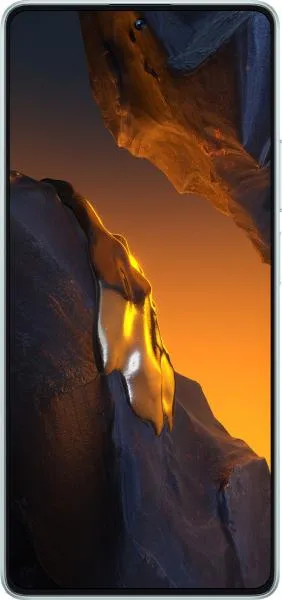

1. Specifications Comparison
| Feature | Xiaomi Poco F5 | vivo V40 | Practical Impact |
|---|---|---|---|
| Design | |||
| Dimensions (mm) | 161.1 x 75 x 7.9 | 164.2 x 75 x 7.6 | Poco F5 is slightly smaller and thinner. V40 is a bit taller. Negligible difference in hand feel for most users. |
| Weight (g) | 181 | 190 | Poco F5 is slightly lighter, potentially more comfortable for extended use. |
| Fingerprint Sensor | Side-mounted | Under-display | Personal preference. Side-mounted often faster, under-display more aesthetically integrated. |
| Display | |||
| Size (inches) | 6.67 | 6.78 | V40 has a slightly larger display, providing a more immersive experience for media consumption. |
| Resolution (px) | 1080 x 2400 | 1260 x 2800 | V40 has a higher resolution leading to sharper text and images. Noticeable difference in clarity. |
| Panel Type | AMOLED | AMOLED | Both offer vibrant colors and deep blacks. |
| Refresh Rate (Hz) | 120 | 120 | Both offer smooth scrolling and animations. |
| Peak Brightness (nits) | 1000 | 4500 | V40's significantly higher peak brightness ensures better visibility outdoors, especially in sunlight. |
| Dolby Vision | Yes | No | Poco F5 supports Dolby Vision for enhanced HDR video playback with wider color gamut and dynamic range. |
| Performance | |||
| Chipset | Snapdragon 7+ Gen 2 | Snapdragon 7 Gen 3 | Both are mid-range chipsets. Gen 3 is newer but benchmarks suggest 7+ Gen 2 might offer slightly better performance in some areas. |
| CPU | Octa-core (up to 2.91 GHz) | Octa-core (up to 2.63 GHz) | Poco F5's prime core has a higher clock speed, potentially offering faster single-core performance. Real-world difference might be minimal for average users. |
| GPU | Adreno 725 | Adreno 720 | Both GPUs are capable for gaming, but Adreno 725 might offer a slight edge in demanding games. |
| RAM (GB) | 8/12 | 12 | V40 offers more RAM in the compared variant, enabling better multitasking and app retention. |
| Camera | |||
| Main Camera (MP) | 64 | 50 | Poco F5 has a higher resolution main sensor. However, megapixels alone don't determine image quality. Sensor size and processing are crucial. |
| Ultrawide (MP) | 8 | 50 | V40 has a significantly higher resolution ultrawide camera, capturing more detail and wider scenes. |
| Selfie Camera (MP) | 16 | 50 | V40 has a much higher resolution selfie camera. |
| Video Recording | 4K@30fps, 1080p@120fps | 4K@30fps, 1080p@?fps (missing spec for 1080p) | Both record 4K video. Poco F5 offers 120fps slow-motion at 1080p. Missing information on V40's 1080p slow-motion capabilities. |
| Battery | |||
| Capacity (mAh) | 5000 | 5500 | V40 has a larger battery, potentially offering longer battery life. |
2. Key Differences Analysis
Xiaomi Poco F5 Advantages:
- Potentially faster CPU performance: Slightly higher clock speed on the prime core.
- Dolby Vision support: Enhanced HDR video playback.
- Higher resolution main camera: Potentially better detail in well-lit conditions (dependent on other sensor characteristics not specified).
- 120fps slow-motion at 1080p: Smoother slow-motion video capture.
- Potentially lower price: Based on limited price data available, Poco F5 seems more affordable.
vivo V40 Advantages:
- Larger and sharper display: More immersive media consumption.
- Higher peak brightness: Excellent outdoor visibility.
- More RAM: Better multitasking and app retention.
- Larger battery: Potentially longer battery life.
- Higher resolution ultrawide and selfie cameras: Significantly better quality for these specific cameras.
- Newer OS: Ships with Android 14.
3. User Profiles & Recommendations
Xiaomi Poco F5: Budget-conscious users who prioritize performance, good main camera quality, and Dolby Vision. Suitable for gaming, general use, and video consumption in indoor environments.
vivo V40: Users prioritizing display quality, battery life, excellent ultrawide and selfie cameras, and the latest Android version. Suitable for media consumption, photography enthusiasts, and users who need all-day battery life.
4. Decision Framework
Key Questions for Buyers:
- What is your budget?
- What are your primary use cases (photography, gaming, media consumption)?
- Which features are most important to you (display quality, battery life, performance)?
My Choice: vivo V40
While the Poco F5 offers strong performance at a potentially lower price, the vivo V40's superior display, larger battery, higher resolution ultrawide and selfie cameras, and more RAM make it a more compelling overall package for my needs. The significantly brighter display is a major advantage for outdoor use. While benchmarks suggest the Poco F5 might have a performance edge, the real-world difference is likely minimal for my usage. I prioritize a great display and long battery life, making the V40 the better choice for me, even with the potential price difference. I am willing to pay more for the noticeably better screen and battery.
