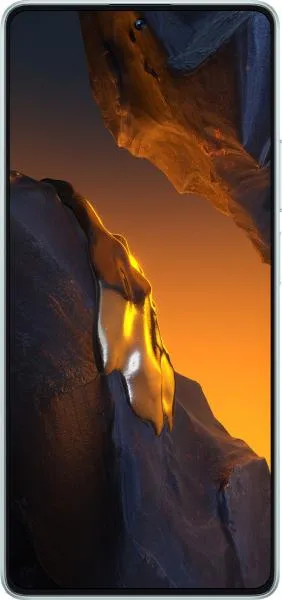

1. Specifications Comparison
| Feature | Xiaomi Poco F5 | Realme 11 Pro | Practical Impact |
|---|---|---|---|
| Design | |||
| Dimensions (mm) | 161.1 x 75 x 7.9 | 161.7 x 73.9 x 8.2 | Poco F5 is slightly smaller and thinner. Negligible difference in everyday use. |
| Weight (g) | 181 | 183 | Virtually identical weight; no noticeable difference in hand. |
| Build | Missing | Missing | Material differences could impact durability and premium feel, but information is lacking. |
| Display | |||
| Size (inches) | 6.67 | 6.7 | Negligible size difference. |
| Resolution (px) | 1080 x 2400 | 1080 x 2412 | Nearly identical resolution; sharpness will be indistinguishable. |
| Type | AMOLED | AMOLED | Both offer vibrant colors and deep blacks. |
| Refresh Rate (Hz) | 120 | 120 | Both provide smooth scrolling and animations. |
| Color Depth | 68B | 1B | Realme 11 Pro boasts a wider color gamut, potentially offering more nuanced color reproduction for content creators or discerning viewers. |
| Peak Brightness (nits) | 1000 | 950 | Poco F5 might be slightly more visible in direct sunlight. |
| HDR | HDR10+, Dolby Vision | HDR10+ | Poco F5 supports Dolby Vision, offering potentially better HDR performance in supported content. |
| Performance | |||
| Chipset | Snapdragon 7+ Gen 2 (4nm) | Dimensity 7050 (6nm) | Poco F5's Snapdragon chip is generally considered more powerful, leading to smoother performance in demanding tasks and games. |
| CPU | Octa-core (1x2.91 GHz X2 & 3x2.49 GHz A710 & 4x1.8 GHz A510) | Octa-core (2x2.6 GHz A78 & 6x2.0 GHz A55) | Poco F5's CPU architecture suggests superior performance, especially in single-core tasks. |
| GPU | Adreno 725 | Mali-G68 MC4 | Adreno 725 generally offers better gaming performance than the Mali-G68 MC4. |
| RAM (GB) | 8/12 | 8/12 | Both offer configurations with ample RAM for multitasking. |
| Camera | |||
| Main Camera (MP) | 64 | 100 | Realme 11 Pro boasts higher resolution, potentially capturing more detail. However, megapixel count isn't the sole determinant of image quality. |
| Ultrawide (MP) | 8 | Missing | Poco F5 offers an ultrawide lens for wider field-of-view shots; Realme 11 Pro's ultrawide capabilities are unconfirmed. |
| Selfie Camera (MP) | 16 | 16 | Identical resolution. |
| Video Recording | 4K@30fps | 4K@30fps, 1080p@480fps, 720p@960fps | Both offer 4K recording. Realme offers higher frame rate slow-motion options. |
| Battery | |||
| Capacity (mAh) | 5000 | 5000 | Identical battery capacity; real-world battery life depends on optimization and usage. |
| Charging Speed | Missing | Missing | Charging speed significantly impacts usability; this information is crucial for comparison but unavailable. |
2. Key Differences Analysis
Poco F5 Advantages:
- Superior Performance: The Snapdragon 7+ Gen 2 provides a significant performance advantage for demanding tasks and gaming.
- Dolby Vision: Enhanced HDR experience for compatible content.
- Confirmed Ultrawide Lens: Provides versatility in photography.
Realme 11 Pro Advantages:
- Higher Resolution Main Camera: Potentially captures more detail in photos (though image quality depends on various factors).
- Higher Frame Rate Slow Motion: Offers more dramatic slow-motion video capture.
- Wider Color Gamut Display: Potentially richer color reproduction for media consumption and content creation.
3. User Profiles & Recommendations
Poco F5: Ideal for users who prioritize performance, gaming, and a smooth overall experience. Good for those who consume HDR content.
Realme 11 Pro: Suitable for users focused on photography, especially those who value high resolution and slow-motion video. Appealing to those sensitive to color accuracy in displays.
4. Decision Framework
Key Questions for Buyers:
- Is performance a top priority? If yes, the Poco F5's superior processor is a major advantage.
- What is your primary use of the camera? High-resolution stills favor the Realme 11 Pro; ultrawide versatility favors the Poco F5.
- How important is display color accuracy? The Realme 11 Pro's 1B color display might appeal to content creators or media enthusiasts. Dolby Vision support on the Poco F5 is a plus for those who utilize it.
My Choice: Xiaomi Poco F5
While the Realme 11 Pro has alluring features like the 100MP camera and 1B color display, the Xiaomi Poco F5's superior performance due to the Snapdragon 7+ Gen 2 is the deciding factor for me. Smooth, lag-free performance is crucial for a satisfying user experience, especially in the long run. The inclusion of Dolby Vision and a confirmed ultrawide lens further strengthens its appeal. The lack of concrete details about the Realme 11 Pro's build quality and charging speed also contribute to my leaning towards the Poco F5. Ultimately, I prioritize a consistently smooth and responsive experience, which the Poco F5 is better equipped to deliver based on the available information.
